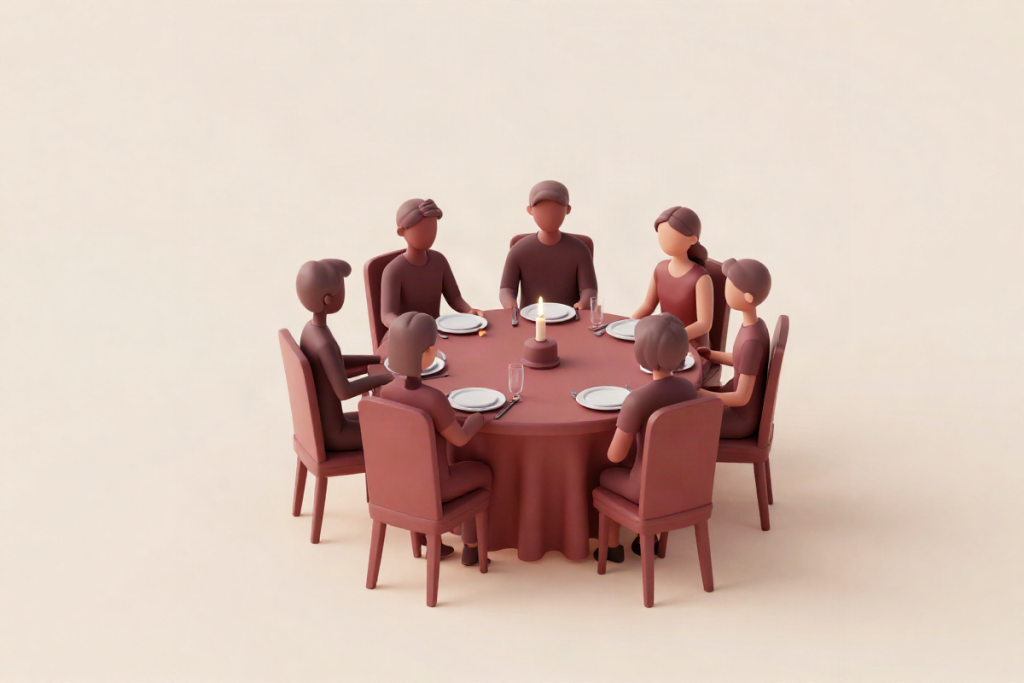
Family traditions are not just customs passed down from generation to generation; they are also an important element that helps strengthen relationships within the family. They create a unique atmosphere of trust and understanding where each family member feels important and needed. The question of how to establish family traditions concerns many, and in this article, we will offer ideas for creating rituals that will make your family more united.
Creating unique rituals does not require significant costs or special skills — just a bit of imagination and a desire to spend time together. Whether you want to introduce a new tradition during the holidays or create daily rituals that bring family members together, it’s important to remember that the most crucial aspect is the time spent together and the joy of communication. Let’s explore how to make your family traditions truly unique and memorable!
Why Are Family Traditions Important?
Family traditions play a vital role in strengthening the relationships among family members. They create an atmosphere of trust and understanding, allowing each participant to feel their significance and value within the family structure. Through regular rituals, whether they are shared meals, celebrations of specific dates, or simple evening gatherings, families form strong emotional bonds. These moments not only help family members get to know each other better but also create shared memories that will warm hearts even in difficult times.
Creating family traditions also fosters a sense of belonging and identity. When each family member participates in creating and maintaining rituals, they feel part of a whole. This is especially important for children, who learn to appreciate family ties and understand their role within them through such traditions. Discussing and implementing new customs that consider the interests of all family members helps everyone feel valued and involved.
Moreover, family traditions serve as a powerful tool for conveying values and cultural heritage. They help preserve the family’s history and pass it on from generation to generation. Engaging in specific rituals, such as celebrating national holidays or observing cultural customs, not only strengthens internal family ties but also maintains a connection to cultural roots. This cultivates respect for their past among children and helps them understand where they come from.
Thus, creating and maintaining family traditions not only enriches family life but also plays a key role in forming healthy and harmonious relationships. Every little tradition, whether it’s a family outing to the movies or discussing family news over dinner, holds great significance and can become the foundation for a strong and loving family.
How to Start Small: First Steps to Traditions
Creating family traditions is a process that begins with simple steps. For your new rituals to become an important part of family life, it is essential to consider the interests of each member. Discussing what each person likes and what is important to them will help find common ground and create unique traditions that resonate with everyone. Don’t hesitate to ask questions, as this will not only help you understand your loved ones’ preferences but also create an atmosphere of openness and trust.
Start with simple and accessible rituals. These could include family dinners on weekends, where the whole family gathers at the table, or playing games together on weekends. Such activities require minimal investment and effort but can significantly strengthen relationships. It’s important that these rituals are regular; this way, they will become a habitual part of life, associated with warmth and comfort.
Create a cozy atmosphere for communication. This can be achieved through dim lighting, the aromas of favorite dishes, or pleasant music. A cozy setting encourages candid conversations and allows everyone to feel comfortable. Encourage children to actively participate in creating traditions: let them help choose the menu, prepare dishes, or decorate the home. This will not only make them more involved but also help them develop a sense of responsibility and the significance of their actions.
Remember that family traditions don’t have to be complex. The main thing is the desire to spend time together and create pleasant memories. Gradually, as your family grows and changes, you can adapt traditions, adding new elements and making them even more unique and meaningful for everyone.
Involving Children in Creating Traditions
Involving children in creating traditions
Creating family traditions is not only an opportunity to strengthen relationships among family members but also an excellent way to instill a sense of responsibility and belonging in children. By involving children in planning and organizing various rituals, you not only make them active participants but also allow them to feel their significance in family life. This can be something simple, like choosing a dish for a family dinner, or more complex activities, such as preparing for a holiday.
Give children the opportunity to choose what they want to see in your family rituals. For example, when preparing for a holiday, you can have them select themed decorations or gifts for loved ones. This way, children can express their creativity and individuality while forming a personal connection to the traditions. Discuss with them what moments they consider important and what they would like to add to your traditions. This will not only strengthen your bond but also help them understand that their opinion matters.
It is also essential to consider the interests of all family members. Start small and gradually develop your rituals, taking into account the preferences and desires of everyone. For instance, you could organize joint family events on weekends, where each person contributes — someone can be responsible for cooking, while another handles the entertainment program. This will create an atmosphere of cooperation and unity and help children realize that every action matters and affects the overall mood.
Don’t forget that comfort in family traditions can be created not only through grand celebrations but also in everyday life. Simple rituals, such as evening conversations over tea or family walks, can lay the groundwork for strong relationships. The key is to do this with love and attention, as that is how family history is formed, where each member plays their unique role.
Family Holidays: How to Make Them Special
Family holidays are not just an opportunity to celebrate significant events but also an excellent way to strengthen bonds among all family members. To make these days truly special, it is essential to consider the interests of everyone and create unique scenarios that reflect your family’s individuality. Start small: it’s enough to choose one or two traditions that will be repeated year after year. This could be cooking together, decorating the home, or creating a family album with photos capturing each holiday.
It’s important to involve all family members in the preparation and celebration process. Try to find out what each of you enjoys. For example, if one of the children is into drawing, let them create greeting cards, and if someone loves cooking, suggest they pick a recipe for the holiday table. This will not only make the celebration more interesting but also help everyone feel their significance in family traditions.
Regularly update your traditions so they don’t become a routine. Emphasize that each new holiday brings something new and unexpected. This could involve new recipes, different from those prepared before, or unexpected activities such as family games or themed evenings. This way, you will create an atmosphere of anticipation and joy that will make each holiday unique.
Holidays can be a time for fun but also an opportunity for deep communication. Plan time for discussions, games, and shared experiences. This will not only strengthen your relationships but also create memories that will warm your loved ones’ hearts for many years to come. Remember that the main goal of family holidays is unity, creating warmth and comfort that will be felt by every family member.
Cozy Rituals for Everyday Life
Creating cozy rituals in everyday life is an excellent way to strengthen family ties and create an atmosphere of warmth and understanding. Start with simple things that can become the foundation for future traditions. For example, shared breakfasts or dinners allow each family member to share their experiences and events of the day. This not only fosters communication but also creates a habit where everyone knows that at this time, the whole family gathers together for meaningful time.
Another wonderful ritual could be evening readings. Set aside time to read a book as a family. This could be classic literature or modern works that interest both children and adults. Discussing what you’ve read not only deepens your knowledge but also develops critical thinking skills in children and creates common topics for conversation.
Don’t forget about the small moments that can also become important rituals. For instance, a walk outdoors after dinner or engaging in a shared hobby. These simple actions help create an atmosphere of trust and closeness. Allow each family member to contribute their ideas and desires so that traditions reflect the interests of all. This can be anything from cooking together to creating a cozy corner for games and communication. The key is regularity and the desire to spend time together, which will eventually turn into unforgettable family traditions.
- Shared breakfasts or dinners.
- Evening book readings.
- Outdoor walks.
- Discussing daily events.
- Creating a cozy corner for shared activities.
How to Maintain Family Traditions in the Long Term
Family traditions are immensely significant for maintaining strong relationships and creating a cozy atmosphere at home. To keep traditions relevant and interesting, it is essential to regularly discuss them with family members. This is not just a way to adapt to changing circumstances but also an opportunity to learn what matters to each participant. By allowing everyone to express their thoughts and suggestions, you create a space for dialogue where every voice matters. Also, if new family members, such as spouses, partners, or even children, join, it’s important to include them in existing rituals. This will help them feel part of the family and allow for the development of traditions together.
Additionally, documenting your family traditions is an excellent way to preserve memories for years to come. Create photo albums, write stories, and keep journals that reflect the moments of holidays and rituals. These records will not only be a source of joy in the future but can also become the basis for new traditions. For example, you could create a family album into which you add photos from holidays along with brief stories about what happened on that day. This will help not only preserve memories but also pass them on to future generations.
Family traditions do not have to be cumbersome or expensive. Start with simple and accessible rituals that can easily fit into daily life. These could be shared dinners on Fridays, evening book readings, or nature outings on weekends. The main thing is to create an atmosphere where everyone feels comfortable and involved. It’s important to remember that traditions are not only obligations but also joys and opportunities to strengthen bonds among family members.
- Discuss traditions with the family, considering everyone’s opinions.
- Include new members in established rituals.
- Document moments through photos and records.
- Create simple and accessible customs.
The Benefits of Traditions for Mental Health
The Benefits of Traditions for Mental Health
Family traditions play an important role in maintaining the mental health of all family members. They create an atmosphere of safety and stability, which is especially important in today’s world, where stress and uncertainty have become everyday companions. When a family has its unique rituals, it helps reduce anxiety and stress levels, as each family member knows what to expect and how to act in specific situations. Participation in traditions fosters a sense of belonging and security, which in turn contributes to emotional comfort.
Moreover, traditions strengthen understanding and trust among family members. When parents and children participate in rituals together, it creates opportunities for communication and sharing thoughts. For instance, shared meals, holidays, or even simple evening walks allow everyone to express their feelings and experiences, improving emotional well-being and fostering deeper understanding of one another. In the process of creating and maintaining traditions, family members learn to show care and respect, which is the foundation of trusting relationships.
Creating a positive family climate is also impossible without implementing traditions. They help create an atmosphere of joy and comfort where everyone can reveal their strengths. Positive experiences associated with family rituals create pleasant memories that stay with us for a lifetime. Moments like shared holidays, ceremonies, or even mundane tasks turned into rituals help strengthen emotional connections and form family identity.
In conclusion, implementing family traditions is not just a way to spend time together but also an important aspect of the mental health of all family members. They contribute to stress reduction, strengthen understanding, and create a positive atmosphere. By creating and maintaining such rituals, you take a step towards stronger and healthier family relationships.
Traditions as a Means of Transmitting Values
Traditions in the family serve as an important tool for transmitting values that form the foundations of children’s lives and worldviews. By creating unique rituals, parents can not only strengthen family bonds but also teach children important life lessons. You can start with simple actions that are familiar and understandable to all family members. For example, shared dinners on weekends or reading books before bedtime can become a basis for discussing important topics such as honesty, respect, and caring for loved ones.
Discussing values with children is an essential part of shaping traditions. Parents can ask questions about what qualities they consider important and why. This will allow children not only to realize what kindness or fairness is but also to feel part of something bigger. Creating a family council where everyone can express their opinions helps strengthen the sense of belonging and responsibility. It’s important for children to understand that their voice matters and that their ideas can form the basis for new rituals.
Additionally, creating stories and legends associated with family traditions adds an element of magic to everyday life. These stories can recount the deeds of ancestors, their heroics, or amusing family anecdotes. Over the years, such legends will be passed down from generation to generation, enriching family experience and creating a unique atmosphere of unity and understanding.
- Create rituals that consider the interests of all family members.
- Discuss with children what values are important for your family and develop rituals together.
- Transform simple actions into traditions, making them meaningful.
- Create stories that will be passed down to your children and grandchildren.
Thus, traditions not only strengthen relationships within the family but also serve as an important means of transmitting life values that will help children in their future.
Frequently Asked Questions
How to choose the right traditions for your family?
Consider the interests and preferences of all family members so that the traditions are meaningful and enjoyable.
What if we don’t have time for complex rituals?
Start with simple and quick rituals that can easily fit into daily life.
How to ensure that traditions remain relevant for new generations?
Regularly update and adapt traditions, considering changes in the interests and needs of the family.
Can family traditions help resolve conflicts?
Yes, shared rituals can promote better understanding and reduce tension.
Key Takeaways
- Family traditions strengthen connections among family members.
- Start with small rituals, considering everyone’s interests.
- Active involvement of children makes traditions more meaningful.
- Holidays and rituals can reduce stress levels.
- Traditions help pass important values from generation to generation.