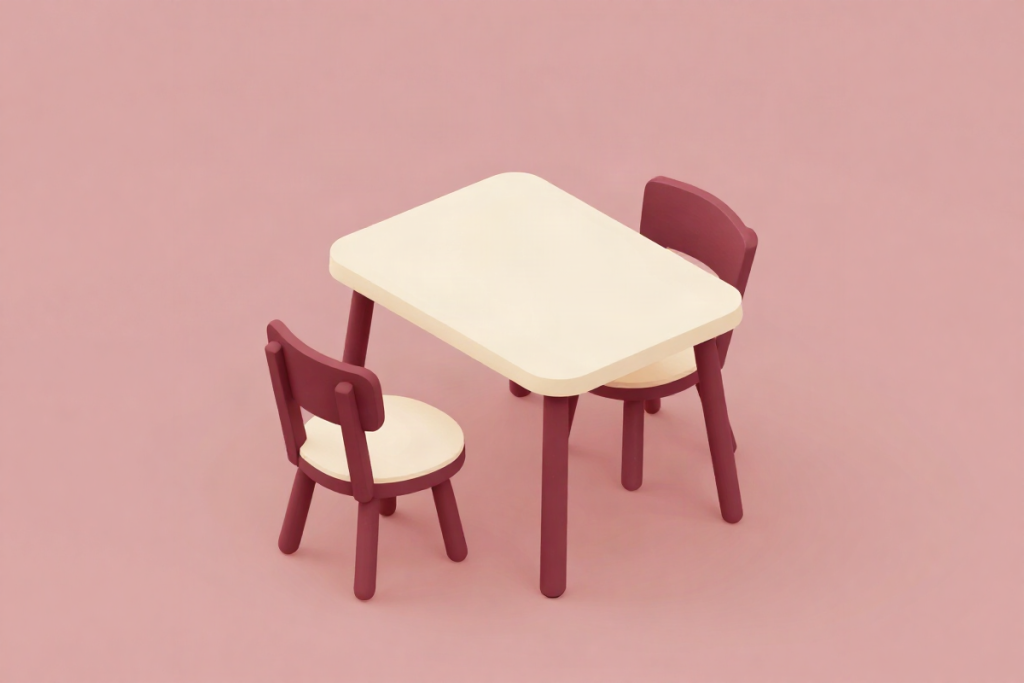
Choosing children’s furniture is a task that all parents face sooner or later. The right furniture not only creates a comfortable atmosphere for play and learning but also impacts the health and development of a child. How can you choose children’s furniture so that it is not only stylish but also practical, safe, and suitable for your child’s age needs? In this practical guide, we will discuss the key points to consider when making a purchase.
An important aspect of selection is the material from which the furniture is made. It should be safe and easy to care for. It is also important to consider the functionality of the items: transformable beds, adjustable-height tables, and other versatile solutions can help adapt the space to the changing needs of your child. In this article, we will look at the main criteria that will help you make an informed choice and create the perfect space for your child.
Why is Furniture Safety Important for Children?
Furniture safety for children is one of the key aspects to consider when decorating a child’s room. Children, by nature, are curious and actively explore the world around them, which is why the furniture must meet high safety standards. It is important to remember that even small objects can cause serious injuries if they are not designed with safety in mind. This means that choosing furniture with rounded corners and stable constructions can significantly reduce the risk of accidents.
Sharp corners and heavy items pose a potential threat to children’s health. If the furniture is unstable and can tip over, it greatly increases the risk of injury. Therefore, it is important to choose items that will stand securely in place and not easily topple over. Additionally, paying attention to the height of chairs and tables is also significant — they should match the child’s height to prevent falls and unnatural body positions during activities.
Another important aspect is the use of safe materials. Furniture made from non-toxic and hypoallergenic materials helps reduce the risk of allergies and illnesses related to harmful substances. When choosing furniture, pay attention to the presence of certificates confirming that the products meet safety standards. This ensures that the furniture is not only aesthetically pleasing but also safe for your child’s health.
- Choose furniture with rounded corners.
- Ensure that items are stable and do not tip over.
- Prefer non-toxic and hypoallergenic materials.
- Check for safety certificates.
By caring for the safety of the furniture, you create not only a comfortable but also a safe space for your child to play and learn. Properly selected furniture is a guarantee of peace for parents and health for children.
Choosing Materials: What to Consider?
When choosing children’s furniture, the safety and health of your child should be a priority. One of the main aspects is the material from which the furniture is made. It is advisable to prefer hypoallergenic and non-toxic materials. This will not only help prevent allergic reactions but also create a more comfortable atmosphere for your little one. Furniture made from natural wood or safe composite materials is an excellent choice.
Avoid models made from particleboard with high levels of formaldehyde. This toxic component can emit harmful substances into the air, which is especially dangerous for children whose immune systems are still developing. Instead, look for furniture with labels confirming compliance with strict safety standards. This will give you confidence that you are making the right choice for your child’s health.
Don’t forget to check for certificates confirming the ecological purity and safety of materials. Some manufacturers provide additional information about their products, including test results indicating the absence of toxic substances. This will help you avoid purchasing furniture that may pose a health risk. Also, pay attention to the construction of the furniture: corners should be rounded, and the furniture itself should be stable and not tip over.
Ultimately, choosing children’s furniture is not only a matter of aesthetics but also a concern for your child’s safety and health. By taking all of the above recommendations into account, you can create a cozy and safe space for your child’s play and rest.
Functionality and Ergonomics
When choosing children’s furniture, functionality and ergonomics play a key role, as they directly affect the comfort and safety of your child. Chairs and tables should be adapted to the child’s height to ensure proper posture and avoid strain. For example, chair heights should allow the child to rest their feet on the floor, and tables should be at elbow height to prevent tension when writing or drawing.
It is also important to consider that a child’s room is a space where the child spends time not only studying but also playing and resting. Therefore, the furniture should be versatile and provide comfort in various situations. Height-adjustable tables and chairs can be an excellent solution, as they can «grow» with your child, reducing the need for frequent furniture replacements.
Additionally, the furniture should be easy to move. This is especially relevant for children’s rooms, where space should remain free for active play. Lightweight and maneuverable furniture will help create a flexible environment that can easily adapt to different activities. Ensure that the furniture is stable and does not tip over, which is especially important for ensuring your child’s safety.
Finally, when choosing furniture, pay attention to the materials from which it is made. Prefer environmentally friendly and non-toxic options that do not contain harmful substances. This ensures that your child’s room will be not only functional but also safe for their health. Rounded corners and the absence of sharp edges will help prevent injuries, which is also an important aspect when selecting furniture for a child.
Durability and Strength
When selecting children’s furniture, special attention should be paid to the durability and strength of the materials. Children are active and curious, so the furniture must withstand their daily use. The optimal choice will be items made from quality and durable materials such as solid wood, plywood, or high-quality MDF. These materials are not only durable but also safe for health if they meet modern quality standards and do not contain toxic substances.
It is also important to check the stability of the furniture. All items you plan to buy should be reliable and not tip over with slight pressure. This is particularly relevant for chairs, tables, and beds, which can become sources of injury if they fall. Ensure that the furniture has a wide base and, if necessary, additional supports. For example, children’s chairs can be equipped with special pads to increase stability, which will also prevent them from tipping over accidentally.
Quality children’s furniture not only lasts longer but also saves money in the long run. Frequently replacing furniture due to insufficient strength can burden the family budget. Therefore, it is wiser to invest in furniture that will serve your child for several years, especially during periods of active growth and changes in their needs. Remember that durable furniture is not only a worthwhile investment but also a guarantee of safety and comfort for your child.
- Choose furniture made from natural and safe materials.
- Check the stability of all items to avoid tipping.
- Invest in quality furniture for long-term use.
- Pay attention to the presence of rounded corners and the absence of sharp objects.
Design and Style: How to Find Balance
The choice of children’s furniture is not only a practical task but also a creative endeavor for parents. It is important that the furniture harmoniously fits into the overall style of the room and reflects your child’s personality. At the same time, the design should be appealing to children but not overly bright so as not to distract them from studying and playing. Use soft, pastel shades or neutral colors that create a cozy atmosphere and promote relaxation. Bright accents can be introduced through textiles, toys, and accessories that can be easily changed as your child grows.
Additionally, consider the functionality and adaptability of the interior. Children grow quickly, and furniture chosen for a toddler may become uncomfortable in just a few years. Consider options for transformable furniture that can grow with your child. For example, tables with adjustable heights or beds that can be adapted for different age groups will help save space and money.
When choosing furniture, it is also very important to consider safety. Ensure that all furniture elements are made from non-toxic materials and have rounded corners. This will help avoid injuries during play. The furniture should be stable and not tip over to minimize risks for your child. Choose products from reputable manufacturers that comply with safety standards.
Finally, when creating a children’s room, remember that this space should be not only beautiful but also practical. Comfortable chairs and tables will help your child focus on studying, while organized storage for toys will make the room tidier. Thus, achieving a successful balance between style and functionality will help create a comfortable and safe environment for your little one.
How to Avoid Common Mistakes When Choosing
When selecting children’s furniture, there are many pitfalls that can lead to undesirable consequences. To avoid common mistakes, it is important not to rush and thoroughly study the market. Familiarize yourself with various manufacturers and models, paying attention to functionality and safety. Do not rely solely on appearance — be sure to check certificates and compliance with safety standards.
Another common mistake is ignoring storage capabilities. Choose multifunctional furniture that will not only beautify the interior but also help organize the space. For example, beds with drawers, tables with shelves, and chairs that can be easily stowed away will help avoid chaos in the room. Convenient storage solutions for toys and study materials will make the children’s space more comfortable and practical.
Additionally, always consider your child’s age changes. Furniture that seems perfect at the moment may quickly become outdated. Avoid models with overly pronounced childlike motifs or too specific functions that may become unnecessary in a couple of years. It’s best to choose universal and stylish solutions that will remain relevant for several years.
Finally, do not forget about the materials. Ensure that the chosen furniture is made from safe and non-toxic materials. This not only minimizes the risk of allergies and illnesses but also ensures the furniture’s durability. Rounded corners and stable construction will help protect the child from injuries and create a safe environment for play and learning.
Where to Buy Children’s Furniture?
When choosing children’s furniture, it is important to pay attention to where you plan to purchase it. It is best to shop from reputable manufacturers and specialized stores that offer a wide range of safe and quality products. Such stores usually carefully monitor compliance with safety and quality standards, which is particularly important for children’s furniture, as it must be not only beautiful but also safe for your child’s health.
In addition, do not forget to pay attention to the availability of warranties and return options. This will allow you to be sure that the furniture you purchased meets the stated characteristics. If any problems arise during use, you will be able to easily resolve them with the store or manufacturer. This is especially relevant if the furniture will be used actively, as is often the case in children’s rooms.
No less important is studying reviews from other parents. Before making a purchase, be sure to familiarize yourself with the opinions of those who have already bought this furniture. This will help you avoid unpleasant surprises and make the right choice. Reviews can give you insight into the quality of materials, stability, and functionality of furniture elements.
- Buy from reputable manufacturers.
- Choose specialized stores.
- Pay attention to the availability of warranties.
- Study reviews from other parents.
Thus, by approaching the choice of where to buy children’s furniture wisely, you can provide your child with a comfortable and safe space for play, learning, and rest.
Caring for Children’s Furniture
Caring for children’s furniture plays an important role in maintaining its appearance and safety. Regular cleaning from dust and dirt helps avoid the accumulation of allergens and bacteria, which is especially important in a space where a child spends time. For this, it is sufficient to use a soft cloth or sponge, as well as a vacuum cleaner with furniture attachments. Aim to clean at least once a week to maintain a high level of microclimate in the child’s room.
When choosing cleaning products, prefer safe and eco-friendly options. Avoid aggressive chemicals and toxic compositions that can be harmful to your child’s health. Many manufacturers offer special cleaning agents for children’s furniture that are not only effective but also safe for little ones. You can also use homemade recipes, such as a vinegar and water solution, which will be both economical and safe.
Don’t forget to regularly check the condition of the furniture. Pay attention to any cracks, chips, or other damages that may pose a danger to your child. If you find any defects, try to address them as soon as possible. For example, repair broken parts or refresh the finish if it has lost its appeal. Timely maintenance of furniture will help extend its lifespan and ensure your child’s safety.
In summary, proper care for children’s furniture includes regular cleaning, using safe cleaning agents, and monitoring the condition of the items. This will not only help keep the furniture in good condition but also create a comfortable environment for your child’s growth and development.
Frequently Asked Questions
What materials are best for children’s furniture?
The ideal materials are wood, MDF, and other hypoallergenic, non-toxic materials.
What style of furniture is suitable for a child’s room?
Choose furniture that harmonizes with the rest of the interior and reflects your child’s interests.
How to check the safety of furniture?
Ensure that the furniture has quality certificates and does not contain sharp corners and toxic materials.
What should be considered when buying furniture for a teenager?
Consider the style and preferences of the teenager, as well as functionality and comfort.
Key Takeaways
- Safety is the top priority when choosing children’s furniture.
- Materials should be hypoallergenic and non-toxic.
- Functionality and ergonomics are important for a child’s development.
- Durable furniture saves money in the long run.
- Choose furniture that will grow with your child.