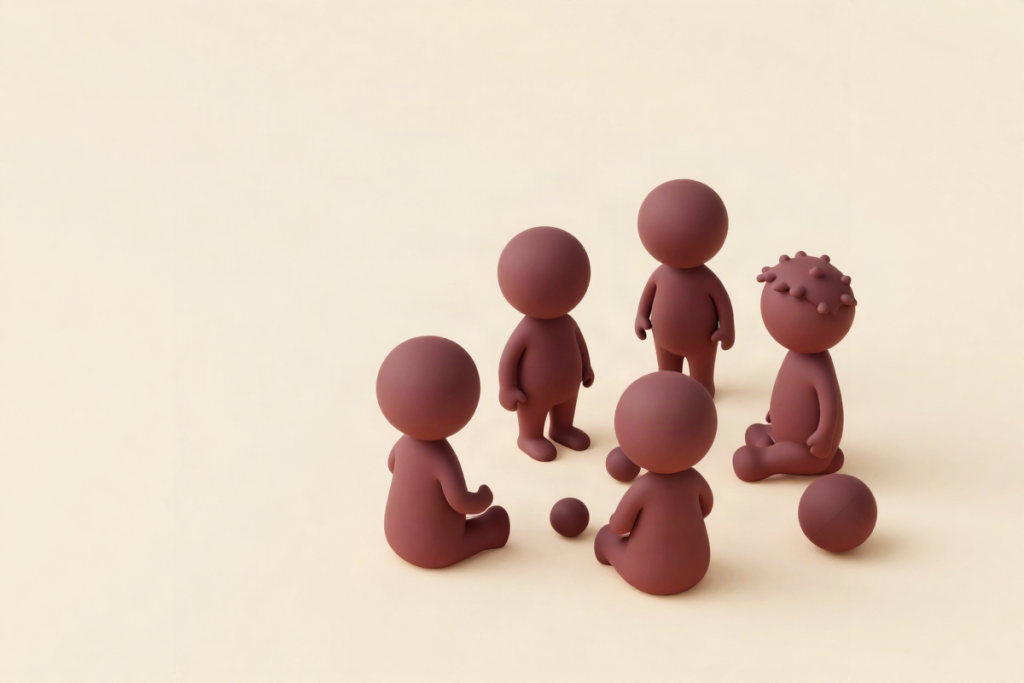
Raising children is not only about meeting their physical needs but also about instilling important moral values. One such value is respect and empathy. These qualities help children build healthy relationships, understand the feelings of others, and communicate effectively with those around them. So how can we teach children respect and empathy? The answer to this question will form the basis of our practical guide for parents.
We offer you a range of simple and effective methods that will help develop these important qualities in your child. Through games, discussions, and real-life examples, you can create an atmosphere where respect and empathy become a natural part of their behavior. Let’s uncover the secrets of successful parenting together that will help your children grow into kind and responsive individuals.
Parental Example: How to Be a Role Model
Children learn by imitating their parents, so it is important for adults to demonstrate respect and empathy in their actions and words. Start by showing politeness in everyday life: greet people, thank them for their help, and apologize if you make a mistake. This will create a foundation upon which the child can build their own social skills. If parents express respect for those around them, children will perceive this as the norm and will imitate such relationships in their interactions.
Adhering to principles of hard work and responsibility also plays a significant role in fostering respect. When parents demonstrate that they take on commitments and put in effort, children learn to appreciate hard work and diligence. Discussing feelings and emotions within the family is a key aspect that helps children understand themselves and others better. By talking about what they feel and asking questions about the feelings of others, you cultivate empathy skills in your child. This can be done through simple conversations about how their day went or by discussing books and films where characters face various emotions.
It is also important to encourage kind deeds and good intentions. When a child shows care for others or helps out, acknowledge this and emphasize the importance of such actions. This not only reinforces positive behavior but also shows that caring for others is an essential part of life. Participate in joint activities, volunteer events, or simply help neighbors to give your child an opportunity to see how kindness and respect can manifest in action.
- Demonstrate politeness towards others.
- Discuss emotions and feelings within the family.
- Encourage kind deeds and caring for others.
- Adhere to principles of hard work and responsibility.
By following these simple yet important recommendations, you can not only teach your children respect and empathy but also become a true role model for them.
Talking About Emotions: The Importance of Communication
Discussions about emotions are an important part of raising children, especially in the context of fostering respect and empathy. Children, like sponges, absorb everything they see and hear around them. Therefore, it is crucial to discuss various emotions and their manifestations in everyday life. For example, you can look at situations together where someone feels joy, sadness, or anger. This helps children better understand how their own emotions relate to those of others.
Using real-life examples significantly simplifies the explanation of the concept of empathy. When a child sees their friend going through a tough time, you can ask them, “How do you think your friend feels right now?” This not only develops emotional intelligence but also teaches children to put themselves in others’ shoes. Such simple questions encourage children to reflect on the feelings of others and realize that everyone can experience different emotions in various situations.
Encouraging children to share their feelings also plays an important role in developing empathy. Creating a safe atmosphere where children can openly talk about their experiences strengthens trust and promotes emotional development. Ensure that your children know their feelings are important and deserve attention. For example, you could organize evening conversations where each family member shares something that upset or pleased them during the day. This not only brings everyone closer but also teaches children to respect the emotions of others.
- Discuss various emotions and their manifestations.
- Use real-life examples to explain empathy.
- Encourage children to share their feelings.
Thus, open discussions about emotions can become the foundation for instilling respect and empathy in children. This not only helps them better understand themselves and others but also creates more harmonious relationships within the family and society.
Encouraging Kind Deeds: How It Works
Encouraging kind deeds: how it works
One of the most effective ways to teach children respect and empathy is to create situations that foster kindness and care. Parents can organize joint activities where the child can help others, such as participating in charity events or volunteer projects. Such moments not only teach children the basics of altruism but also show them how their actions can positively impact those around them. It is important for children to see that kindness brings joy not only to those they help but also to themselves.
Rewarding children for kind deeds also plays a significant role in reinforcing positive behavior. This does not always have to be a material reward; sometimes words of encouragement and praise can be far more valuable. When a child sees that their efforts have been noticed and appreciated, they are more likely to repeat such actions in the future. Applying the principle of “reward” helps instill in children an internal motivation for kind deeds, which is an important aspect of their personal growth.
It is equally important to discuss with children the consequences of their actions for other people. This allows children to understand how their actions can affect the feelings and emotions of those around them. Discussing such situations helps develop children’s ability to empathize and understand, which in turn forms deeper social connections. Parents can ask questions like, “How would you feel in that person’s place?” or “What can be done to help?” These discussions stimulate critical thinking and emotional awareness.
Thus, encouraging kind deeds is a powerful tool in raising respect and empathy in children. By creating opportunities for kindness, rewarding them for good deeds, and discussing the consequences of actions, parents can help their children become more sensitive and responsive individuals.
Respect for Differences: How to Teach Children to Accept Others
Instilling respect for differences is an important aspect of shaping individuals who can accept and understand others. Discussing the diversity of cultures and traditions within the family can be the first step in this process. Parents can tell children about different countries, their customs, and holidays, thereby opening up a world full of wonderful differences. This not only broadens their horizons but also teaches children to appreciate the uniqueness of each person. For example, studying national holidays together will allow children to see that all people have their own traditions that deserve respect.
The example set by parents plays a key role in forming respectful attitudes towards others. When children observe adults exhibiting politeness and kindness towards people different from them, they begin to perceive this as the norm. It is important not only to talk about tolerance but to demonstrate it in everyday life. Small gestures, such as helping a neighbor or engaging in polite conversations with different people, can serve as good examples to follow.
Books and films are also excellent tools for fostering openness and empathy. Stories in which the main characters face prejudice or learn to accept differences can inspire children to reflect on their own attitudes towards others. Reading books about friendship, acceptance, and mutual help helps develop emotional intelligence and understanding that everyone deserves respect, regardless of appearance, culture, or beliefs.
- Discuss various cultures and traditions in everyday life.
- Demonstrate respect for people through your actions and words.
- Read books and watch films that address themes of diversity and empathy.
- Create situations for discussing emotions and feelings related to accepting others.
Thus, fostering respect for differences is a process that requires active involvement from parents. Open communication, positive examples, and the use of cultural resources will help children become more sensitive and tolerant.
Family Traditions: Strengthening Bonds Through Joint Actions
Family traditions play an important role in instilling respect and empathy in children. Creating shared traditions focused on mutual help not only strengthens family ties but also fosters a sense of responsibility and care for others in children. For example, regular family dinners or outings in nature can serve as an excellent basis for discussing the emotions and experiences of each family member. This time spent together helps children understand how important it is to listen to and support one another.
One effective way to instill respect and empathy values in children is by participating in volunteer projects. Such activities not only familiarize children with real societal problems but also provide them with the joy of helping others. This could include participating in charity events or simply helping elderly neighbors. When children see that their actions can positively change someone’s life, they begin to realize the importance of kindness and respect.
Joint activities, such as days of kindness, outdoor games, or craft workshops, also contribute to strengthening family bonds. These active interactions help children develop communication skills, teach them to work as a team, and find common ground with others. This not only fosters empathy but also instills in children an understanding of the importance of supporting and caring for others.
It is important to remember that to effectively nurture respect and empathy, you must set an example for your children. If parents demonstrate politeness and respect for others, children are likely to imitate them. Thus, family traditions based on joint actions and mutual help become an important tool in raising children with a high level of empathy and respect for others.
Discussing Conflicts: The Importance of Resolving Disputes
Conflicts are an inevitable part of life, especially in childhood. Teaching children to resolve disputes constructively is an important task for parents. When children encounter conflict situations, they learn to express their thoughts and feelings, as well as understand other people’s perspectives. This fosters the respect and empathy necessary for building healthy relationships. Parents must be ready to support children in this process, showing by their own example how to deal with disagreements.
Discussing mistakes and forgiveness is another key aspect of teaching children. It is important to help the child understand that mistakes are part of learning and growth. When you discuss situations where conflicts arose, try to focus not only on what went wrong but also on how things could have been handled differently. This will help children develop skills for self-reflection and critical thinking. By discussing forgiveness, you teach children not only to let go of grievances but also to build stronger and more trusting relationships with others.
Role-playing can be an excellent tool for practicing conflict resolution. Create scenarios where children can act out different situations involving conflicts. This could be a play with dolls or a board game where they can practice their communication skills. Role-playing can help children understand the importance of considering others’ feelings and finding compromise. Such practical exercises develop not only empathy but also self-confidence.
- Discuss emotions: help children learn to talk about their feelings.
- Practice forgiveness: explain the importance of forgiving and letting go of grievances.
- Use real-life situations: analyze real conflicts that your children face.
Thus, teaching children respect and empathy through conflict resolution is not only an important part of parenting but also the foundation for forming strong and trusting relationships in the future.
Reading and Discussing Literature: Inspiration Through Books
Reading and discussing literature: inspiration through books
One of the most effective ways to instill respect and empathy in children is through reading books that emphasize these important qualities. When choosing literature for shared reading, prefer works where the main characters face difficult situations that require understanding and support. Such books can not only enrich a child’s world but also serve as a basis for discussing complex topics related to emotions and relationships. For example, stories about friendship, helping others, and overcoming difficulties help children see the importance of showing care and responsiveness.
After reading a book, be sure to discuss with the children what they remember and what emotions the characters and their actions evoked in them. Ask questions that help children delve deeper into the content: “Why do you think the character acted that way?” “How would you feel in their place?” Such conversations not only develop critical thinking but also foster the ability to empathize, helping children understand that the feelings of others are important and deserve attention.
Literature can serve as an important teaching tool. Using the stories read as a starting point, you can discuss with children real situations they may encounter in life. For example, you can talk about how important it is to support friends during difficult times or how to act if someone finds themselves in a tough situation. This not only strengthens communication skills but also helps children realize the need to respect every person, regardless of their circumstances.
Incorporating reading and discussing literature into daily life is an excellent way to develop the skills children need to create healthy relationships. Gradually, they will learn to perceive the emotions of others more deeply and be ready to show kindness and respect in their actions.
The Role of Play Activities: Learning Through Play
The role of play activities: learning through play
Play activities are one of the most effective ways to teach children respect and empathy. Through play, children can safely explore different social situations, learn to interact with others, and show understanding for the feelings of those around them. Creating play situations where children can demonstrate empathy is an important part of their upbringing. For example, organize role-playing games where children can play different roles and encounter various emotions. This allows them to understand what it feels like to be in someone else’s shoes, which significantly contributes to the development of empathy.
Board games can also be a great tool for teaching cooperation and respect. Many modern games require players to work together to achieve a common goal. Games like “Dixit” or “Codenames” promote the development of communication and mutual understanding skills. Players must discuss their strategies, share opinions, and consider the feelings of others, which helps children understand the importance of respect and support.
It is also important to discuss the behavior of characters and their emotions during the game. When children see how you react to events in the game, they learn to analyze situations and understand why someone might feel sad or happy. Discussing these moments can become an excellent opportunity to explain the concepts of respect and empathy. For example, ask children how they would feel in the character’s place or what they could do to help. This not only develops their emotional intelligence but also strengthens the bond between you and your child.
Thus, play activities provide numerous opportunities for teaching children respect and empathy. Incorporating playful elements into everyday life helps create a friendly and supportive atmosphere where emotions and feelings become understandable and important to all participants.
Frequently Asked Questions
What are the main principles of teaching respect?
The main principles include setting a personal example, openly discussing emotions, and encouraging kind deeds.
What is the significance of empathy in a child’s life?
Empathy helps children build healthy relationships, develops social skills, and promotes emotional well-being.
How to deal with conflicts between children?
Teach children constructive conflict resolution by discussing them and suggesting different approaches to problem-solving.
How to involve a child in volunteering?
Start with simple actions — joint trips to shelters or participation in charity events.
Key Takeaways
- Children learn respect through parental examples.
- Discussing emotions helps develop empathy.
- Kind deeds should be encouraged and discussed.
- Family traditions strengthen mutual understanding.
- Reading literature develops emotional intelligence.