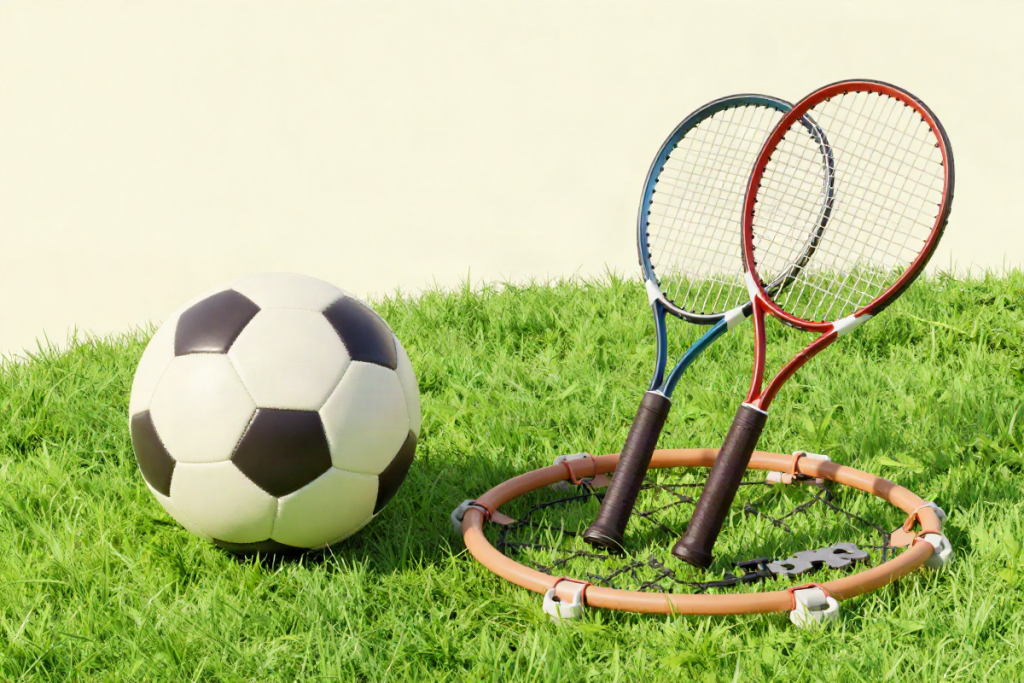
Instilling a habit of regular physical exercise in children is an important task for parents and educators that impacts the health and development of the younger generation. In today’s world, where children increasingly spend time in front of screens, physical activity becomes particularly relevant. But how can we make sports not just a necessity but an enjoyable and sought-after time for kids?
In this article, we will explore effective strategies and tips that will help you introduce the habit of regular physical exercise in children. We will share simple yet effective methods that will turn sports into an engaging activity that promotes not only physical development but also strengthens family bonds.
The Importance of Physical Activity in Children’s Lives
Physical activity plays a key role in children’s lives, having a positive impact on their health and overall well-being. Regular sports activities help strengthen the immune system, which is particularly important during periods of growth and development. Children who are physically active get sick less often, and their bodies are better at fighting infections. Sports also help develop the cardiovascular system and strengthen muscles, which in turn supports maintaining good physical condition.
Moreover, physical activity significantly improves coordination and motor skills. Children involved in various sports learn to control their movements, which positively affects their ability to perform everyday tasks. Improved motor skills also allow children to feel more confident in various situations — from playing on the playground to completing homework.
We must not forget the psychological aspect of physical activity. Sports help children cope with stress and boost their mood. During physical activities, they release negative emotions, learn to work in teams, and establish friendships, which contributes to social adaptation. Research shows that physical exercises can improve overall psycho-emotional well-being, reducing levels of anxiety and depression.
Thus, it is important not only to encourage children to engage in sports but also to make these activities enjoyable and interesting. The example set by parents, participation in joint activities, and creating a positive atmosphere around physical activity are the steps that will help children form a lifelong habit of regular physical exercise. Successful activities can include family walks, outdoor games, or even a morning workout that becomes a good family tradition.
Parental Example: How to Be a Role Model
The example set by parents plays a crucial role in forming a habit of physical exercise in children. By observing their parents’ active lifestyle, children begin to view sports as the norm. Therefore, it is so important for physical activity to become a natural part of family life. Regular workouts, even if they are just a morning charge for 10-15 minutes, can significantly increase children’s interest in sports. By leading by example, parents lay the foundation for forming healthy habits in their children.
To make sports more engaging, you can organize active family weekends. Picnics with a ball, badminton, or frisbee not only enhance physical activity but also foster family bonding. It is important that parents not only encourage children but also participate in these activities themselves. This creates a supportive atmosphere and allows children to feel that physical activity is not a chore but a fun pastime.
It is also essential to maintain a positive attitude towards physical exercise. Parents should avoid perfectionism and pressure, which can push children away from sports. Instead, the focus should be on creating joyful moments during activities that children will remember as good memories. It is important to emphasize that physical activity is a way not only to improve health but also to spend time with family, have fun, and relax.
Integrating sports into daily life is not just about workouts in the gym. It can be a simple walk in the fresh air, a bike ride, or a game in the park. The key is to show children that physical activity is an essential part of life and brings joy. By creating such habits, parents not only promote their children’s physical development but also foster a positive attitude towards sports for life.
Creating an Engaging Atmosphere for Activities
Creating an engaging atmosphere for activities
For children to start perceiving physical exercises as part of their daily lives, it is important to create an environment filled with interest and variety. One effective way is to offer different types of sports. Don’t limit them to just one direction — encourage children to try swimming, soccer, dancing, or even yoga. The more options they see, the easier it will be for them to find what they truly enjoy. This will not only develop their physical skills but also maintain motivation for activities.
Incorporating game elements into workouts also helps create an engaging atmosphere. Including various games and competitions can significantly increase children’s interest in activities. For example, you can organize relays where participants must complete different tasks, or suggest they create their own games, which develops creativity and team spirit. Even simple exercises can be turned into competitions: who can run a certain distance faster or do more repetitions. The main thing is to make learning fun and unforgettable.
Organizing sports events and competitions is another way to get children involved in active pursuits. Creating family sports days or outdoor events not only strengthens physical health but also unites the family. Such events can include various types of activities, from badminton to mini-soccer, giving children the chance to try new roles and develop team spirit. Competitions involving not only children but also their parents will help create a positive example and demonstrate that physical activity is not only beneficial but also fun.
It is important to remember that parental support plays a key role in forming a habit of physical activity in children. Be there, inspire, and encourage them, showing that engaging in sports is not just an obligation but a pleasure. By organizing joint workouts and sports events, you will not only strengthen your children’s health but also create strong family traditions based on an active lifestyle.
Encouragement, Not Coercion
Encouragement, Not Coercion
Creating a habit of physical exercise in children requires a delicate approach. It is important to remember that sports should be perceived as an enjoyable and joyful event, not as a duty. To engage children, parents should actively support their endeavors, praise achievements, and encourage any progress, even if it seems insignificant. Positive reinforcement helps form a positive attitude towards physical activity in children, which promotes its regular inclusion in their lives.
It is crucial to remember that coercing children into sports can lead to stress and negative emotions. This may result in them avoiding physical activity in the future. Instead, parents should create an atmosphere where children feel comfortable and confident. For instance, you can organize joint outings into nature, where physical activity combines with the pleasure of relaxation. Playing with a ball, riding bikes, or simply walking in the fresh air can all be great ways to spend time together and instill a habit of regular exercise in children.
One of the key aspects of forming a habit of physical activity is helping children find their favorite sport. Each child is unique, and what appeals to one may not suit another. Parents can offer a variety of options: from swimming and dancing to team sports or individual training. It is important for children to choose what interests them and feel involved in the process. This will help them develop intrinsic motivation and a desire to engage in physical activity on a regular basis.
Thus, to successfully establish a habit of regular physical exercise in children, it is necessary to create a supportive and non-intrusive atmosphere. Involving the whole family in sports and joint active games will help children see physical activity as part of their daily lives, ultimately leading to healthy habits for many years.
Integrating Physical Activity into Daily Life
Integrating physical activity into children’s daily lives is an important step in forming a habit of regular exercise. Parents play a key role in this process, demonstrating their own example and creating conditions for active leisure. One simple and effective way is to forgo the car in favor of walking or biking. Walks are not only a source of physical activity but also an opportunity to enjoy nature and spend time with family.
Additionally, organize active games while visiting the park. This can be playing with a ball, badminton, or simply running competitions. It is important for children to see this not only as physical activity but also as fun. Try not to set strict tasks or goals for them, but rather create an atmosphere of joy and fun. For example, you can arrange a picnic outdoors and bring along sports gear, making the outing even more enjoyable.
Family weekends can also be used for joint sports activities. This can include hiking, biking, or even workouts at the gym. It is important that these activities take place in a relaxed environment where everyone can participate in what they enjoy without feeling pressured. Parental support and joint efforts will significantly enhance children’s motivation for physical activity.
Remember that physical activity should become part of daily routine, not something that happens only on holidays. Build habits that will become a natural part of your family’s life. Ultimately, the more joy and pleasure physical activity brings, the easier it will be for children to continue engaging in it in the future.
Support from the Surroundings
Creating a habit of regular physical exercise in children is impossible without support from those around them. It is important for children to feel that their efforts are appreciated not only at home but also at school, among peers, and other family members. Support from teachers and classmates can significantly boost a child’s motivation to engage in sports. Schools can organize sports events where children are given the opportunity to showcase their abilities, as well as encourage active participation in physical education classes. Such events should be engaging and diverse so that every child finds physical activity interesting.
Equally important are grandparents, who can be not only caring relatives but also active partners in games. Involving older family members in joint sports activities, whether it’s walks, ball games, or active board games, not only strengthens family bonds but also helps children perceive physical activity as an integral part of life. Such joint activities create a positive example and show that sports can be fun and accessible for all ages.
Moreover, it is essential to support children’s participation in sports clubs and teams. Regular team training not only develops physical skills but also encourages socialization, creating new friendships. Parents should actively inquire about their child’s successes in sports activities and encourage them during tough moments. This not only boosts children’s confidence but also fosters a healthy competitive environment.
Thus, support from the surroundings plays a key role in forming a habit of regular physical activity in children. By creating a positive atmosphere and involving family and friends in sports events, we help children not only to develop physically but also to find joy in movement.
The Benefits of Regular Physical Exercise
Regular physical exercise plays a crucial role in children’s health and development. It helps strengthen bones and muscle mass, which is especially important during growth periods. Participation in active games and sports helps children develop muscle strength, which, in turn, improves their posture and coordination. Strong bones and muscles lay the foundation for healthy physical condition and prevent injuries in the future.
Additionally, physical activity significantly improves the cardiovascular system. During exercise, the heart works more efficiently, which enhances blood circulation and oxygen supply to the body. This not only increases physical endurance but also supports better functioning of organs and systems, which is especially important for a growing body. Regular training helps reduce the risk of developing cardiovascular diseases in the future, instilling healthy habits in children for a lifetime.
Physical activity also impacts overall well-being and energy levels. Children who regularly engage in sports feel more energetic and active. Exercise stimulates the production of endorphins — the “happiness hormones” that help improve mood and reduce stress levels. This is particularly important in today’s world, where children face various psychological pressures.
To maintain children’s interest in physical activity, parents should incorporate exercises into everyday life. Simple walks outdoors, playful activities with a ball, or joint workouts can serve as excellent examples. It is important for parents not to coerce children into exercise but rather to create an atmosphere of support and inspiration. Involving the whole family in active games will help cultivate a positive attitude towards physical exercise and a healthy lifestyle in children.
Overcoming Barriers to Physical Activity
Creating a habit of regular physical exercise in children may encounter various barriers such as lack of motivation, fatigue, or simply laziness. It is essential to remember that physical activity should be viewed as an integral part of life, not as a duty. Parents play a key role in shaping this attitude. The example they set is significant: if they themselves engage in physical activity, children are more likely to follow suit. Even a simple morning workout can be a starting point for forming an active lifestyle.
To overcome laziness and lack of interest, various techniques should be applied. One of them is to turn sports activities into a game. For example, you can organize mini-competitions among children or incorporate game elements into the activities, such as obstacle courses or relays. This not only makes the activities more engaging but also fosters team spirit. It is also beneficial to reward children for achievements, even if they are small, as this helps them feel successful and motivated.
On rainy days when outdoor activities become less appealing, you can suggest interesting ideas for active leisure. For instance, indoor dance sessions, ball games, or even yoga can serve as excellent alternatives. It is important for the activities to be varied so that children do not get bored, and they should also have the opportunity to choose what they genuinely enjoy.
Here are some ideas for active indoor leisure on rainy days:
- Organizing a dance battle in the living room.
- Board games with physical elements, such as “Twister.”
- Joint yoga or Pilates sessions through online classes.
- Creating a mini-Olympics with various challenges in the apartment.
Parental support and involvement in children’s physical education is the key to success. Understanding that sports can be fun and interesting will help children overcome any barriers to an active lifestyle.
Frequently Asked Questions
How can I motivate my child to engage in sports?
What should I do if my child does not want to be physically active?
How often should children engage in physical activity?
Key Takeaways
- Physical activity is important for children’s health and development.
- The example set by parents plays a key role in forming a habit of sports.
- Creating an engaging atmosphere fosters interest in activities.
Sources
fitnessacademy.com.ua, ru.siberianhealth.com, medanta.org, niidpo.ru, chcrr.org