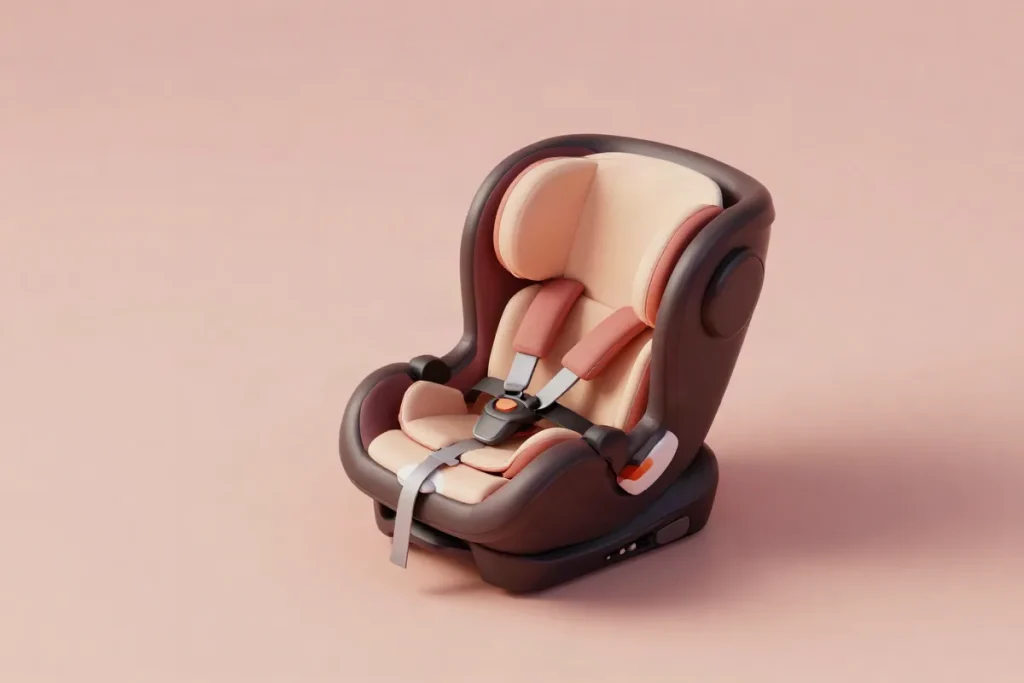
Buying a car for your family requires special attention to safety, spaciousness, and fuel efficiency to ensure the vehicle meets the needs of all family members. The choice should consider not only technical specs but also everyday convenience with children and potential maintenance expenses.
Deciding on a family car is a significant step that impacts the comfort and safety of the entire family. In the article “Buying a Car: Key Considerations for Family Buyers,” we thoroughly explore essential aspects of the decision-making process, including body types, necessary safety features, and financial planning advice. This approach helps avoid mistakes and makes the purchase truly worthwhile and practical.
If you’re interested in a broader perspective on family expenses and purchasing decisions, we recommend reading our review “Is It Okay to Buy? A Complete Guide to Choosing, Meaning, and Impact of Purchases on Families.” This will help you view the car purchase within the context of the overall family budget and priorities.
| Model | Trunk Volume (L) | Price From (million ₽) | Euro NCAP Rating |
|---|---|---|---|
| Toyota RAV4 | 580 | 3.1 | 5 stars |
| Skoda Kodiaq | 650 | 2.7 | 5 stars |
| Hyundai Santa Fe | 585 | 3.0 | 4 stars |
| Lada Vesta SW Cross | 480 | 1.3 | 3 stars |
- 5 stars Maximum Euro NCAP safety rating for family cars
- 450 liters Minimum recommended trunk volume for a family car
- 2.5–4 million ₽ Average price of a new family SUV in Russia in 2026
- 8–11 L/100 km Average fuel consumption of family SUVs in 2026
- 40–50 thousand ₽ Average CASCO insurance cost for family cars in major cities
What Safety Requirements Are Important When Choosing a Family Car?
Safety Standards
Since 2022, automatic emergency braking systems (AEB) have been mandatory for all new cars in Russia, significantly enhancing the safety of family trips. According to GOST R 41.49-2022, airbags for the driver, front passenger, and side airbags are required, ensuring protection in side and frontal collisions. In 2025, family models Toyota RAV4 and Skoda Kodiaq each earned 5 stars in the Euro NCAP safety rating, confirming a high level of passenger protection.
Practical Checks
When selecting a family car, it’s important to confirm that there are at least two ISOFIX anchors on the rear seats for safely installing child seats. This allows securing two child car seats simultaneously, which is especially crucial for families with multiple children. It’s also recommended to test the AEB system and the correct deployment of airbags at the dealership or during a test drive to ensure they are functioning properly and meet declared standards.
What Size and Type of Car Is Suitable for a Family with Two Children?
Volume and Dimensions
For a family with two children, the minimum trunk volume should be no less than 450 liters, with 500 liters or more considered optimal. For example, the Kia Sorento offers a trunk volume of 591 liters, comfortably accommodating strollers and other essentials. Vehicle length is important for ease of seating and installing child seats—at least 4.5 meters is recommended, as with the Hyundai Santa Fe, which measures 4.77 meters long. The interior height from floor to ceiling should be at least 100 cm for comfortable seating and exiting of children.
Body Type
- At least 4 doors are required for convenient access to the rear seats;
- Preferably 5-door models, which provide extra comfort when seating children and carrying cargo;
- Crossover SUVs and off-road vehicles often meet these requirements thanks to spacious interiors and well-thought-out ergonomics.
How Much Does a Family Car Cost in 2026 and Which Models Are Most Affordable?
Prices and Models
The average price of a new family SUV in Russia in 2026 ranges from 2.5 to 4 million rubles, reflecting a variety of available models and trim levels. For example, the 2026 Toyota RAV4 is priced around 3.1 million ₽, while the Skoda Kodiaq starts at 2.7 million ₽. The Hyundai Santa Fe also fits into this segment, starting at 3.0 million ₽. For families on a tighter budget, the Lada Vesta SW Cross remains an attractive option, priced from 1.3 million ₽ and equipped with a sufficiently sized trunk and two ISOFIX anchors for child seats.
Additional Costs
When buying a family car, it’s important to consider not only the purchase price but also associated expenses. For example, the average CASCO insurance cost for a family car in major cities is about 40–50 thousand rubles per year. These costs can significantly affect the overall family budget planning and should be factored into the choice of model and financial calculations.
What Mistakes Do Families Make When Choosing a Car and How to Avoid Them?
Common Mistakes
Families often make the mistake of choosing cars that are too compact, lacking enough space for child seats and luggage, which leads to inconvenience during transportation. Many buy small cars despite models like the Subaru Forester offering much more space and comfort for families. It’s also common not to check the presence and condition of ISOFIX anchors, which are essential for safely securing child seats.
Ignoring fuel consumption is another serious error. The average fuel consumption of family SUVs in 2026 ranges from 8 to 11 liters per 100 km, which significantly impacts the budget for regular travel. Additionally, neglecting real operating conditions—such as disregarding all-wheel drive in winter—reduces safety and comfort, especially in regions with cold climates.
How to Avoid Them
- Choose a car with ample interior space, considering trunk volume and the ability to install multiple child seats. For example, the Subaru Forester has a trunk volume of about 500 liters, suitable for family needs.
- Always verify the presence and proper function of ISOFIX anchors before purchase to ensure child safety.
- Take fuel consumption into account—the family SUVs with consumption between 8 and 11 liters per 100 km are optimal for economy and convenience.
- Assess climate and road conditions in your region, opting for vehicles with all-wheel drive for winter, especially important in northern parts of Russia.
What Role Do Additional Options and Technologies Play in a Family Car?
Comfort and Safety
Extra features like multi-zone climate control play a key role in maintaining a comfortable temperature inside the cabin for all family members, including children. For example, the climate system in the 2026 Toyota RAV4 allows separate temperature adjustment for front and rear seats, improving overall comfort for little ones during trips. Blind spot monitoring and distance control systems significantly enhance safety—such technologies are implemented in the 2026 Kia Sorento, helping to avoid accidents while driving with children on board.
Technological Advantages
Multimedia systems with at least 8-inch screens supporting Android Auto or Apple CarPlay provide easy access to navigation and entertainment, which is important for long family trips. Electric rear or tailgate doors greatly simplify loading strollers and luggage, notably seen in the 2026 Volkswagen Tiguan, where such an option can save up to 15 seconds each time the door is opened. Altogether, these technologies make family cars more comfortable and safer for parents and children alike.
When Might Buying a Family Car Not Meet Expectations?
Limitations and Drawbacks
Purchasing a family car may not meet expectations if the family lives in a city with a well-developed public transport network, like Moscow, where the metro and buses account for over 60% of trips. In such cases, costs for fuel, insurance, and parking may outweigh the benefits, with the average annual car ownership cost ranging from 150,000 to 250,000 rubles.
Additionally, in 2026 Moscow enforces a ban on diesel cars older than 5 years, limiting choices and increasing the risk of extra expenses on fines or vehicle replacement. This is particularly important for families considering budget diesel models.
When to Think Twice
- If the children have grown and needs have changed—it might be more economical to buy a compact car instead of a large minivan or SUV to reduce fuel and maintenance costs.
- Choosing an excessively expensive model, such as a premium SUV with annual insurance costs over 50,000 rubles and high maintenance fees, may lead to financial strain not justified by convenience.
Frequently Asked Questions
Which child seats are suitable for family SUVs?
How much does it cost to maintain a family car annually?
How to check car safety before purchase?
Can you buy a used family car without losing quality?
Key Takeaways
- Safety is the top priority: look for models with 5-star Euro NCAP ratings and ISOFIX anchors
- Trunk volume of at least 450 liters is optimal for a family with two children
- Average price of family SUVs in 2026 ranges from 2.5 to 4 million rubles
- Avoid compact models with limited space and no all-wheel drive
- Pay attention to technological features for comfort and safety
