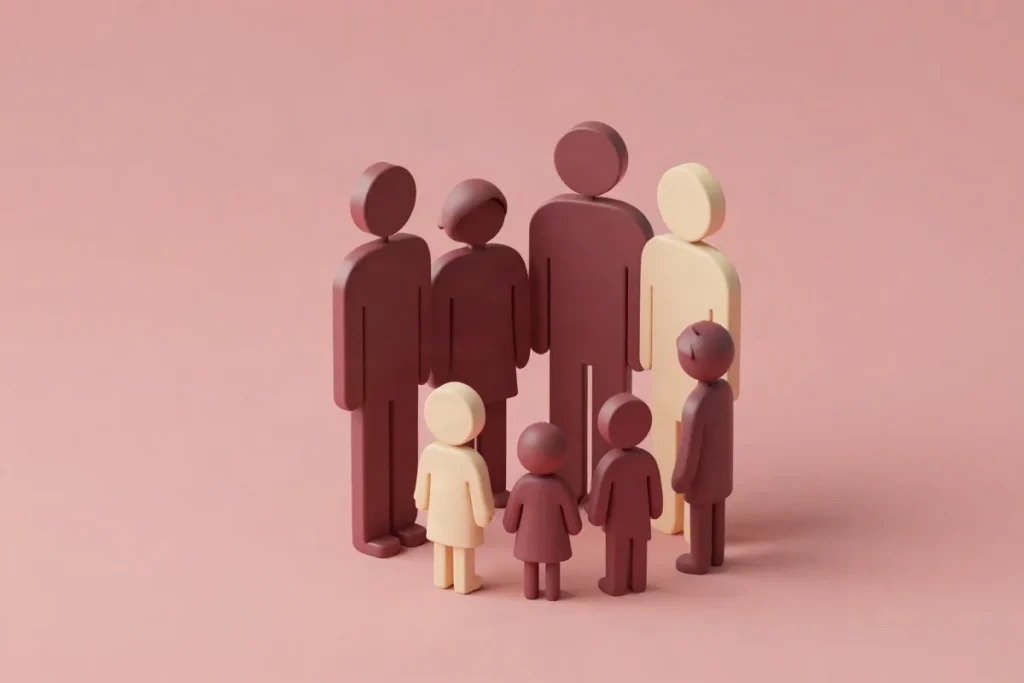
Child health is a priority for all relatives, but often differing views on care and upbringing cause conflicts that can negatively affect the little one. In 2026, experts and pediatricians emphasize that a harmonious, common-sense approach to a child’s health helps create a favorable family atmosphere and prevent mistakes. This article explores in detail how relatives can unite their efforts relying on proven methods and recommendations.
Why Consistency Among Relatives Matters for a Child’s Health
Parents, grandparents, aunts, and uncles—all are involved in the child’s life, but inconsistency in care and treatment approaches can cause stress for the child and worsen their condition.
Risks of Conflicts and Their Consequences
- Frequent arguments increase the child’s stress levels, which can lead to sleep and appetite disturbances;
- Differences in approaches to treating illnesses may result in improper use of medications or ignoring symptoms;
- Failure to maintain a unified diet and routine disrupts feeding and sleep schedules.
Studies show that approximately 35% of families face problems due to disagreements about the child’s health, underscoring the importance of a consistent approach.
How to Bring Common Sense into Family Interactions
The main advice is to rely on recommendations from qualified specialists and current pediatric standards, rather than outdated or subjective opinions.
Practical Steps
- Reading trusted books, such as «Child Health and the Common Sense of His Relatives» by E. O. Komarovsky, published in 2026;
- Regular consultations with a pediatrician and inviting relatives to appointments so they receive professional answers;
- Creating a unified care plan that takes doctors’ recommendations into account and is agreed upon by all family members.
The Role of Parents and Grandparents: Balancing Responsibility
In 2026, families increasingly face the question: how to distribute responsibility for the child’s health across generations to avoid conflicts and ensure safety?
Key Points
- Parents bear the main responsibility for following medical advice and making decisions;
- Grandparents can support, assist with care, and share experience but without unauthorized interference;
- Discussing all important matters calmly helps reduce tension.
| Category | Parents | Grandparents |
|---|---|---|
| Treatment Responsibility | High | Support |
| Childcare | Main | Additional |
| Passing on Experience | Modern Knowledge | Traditions |
| Intervention | Controlled | Limited |
Modern Tools and Products for Child Health in 2026
Today, the market offers various devices and products that make caring for the child easier and help relatives follow unified recommendations.
Popular Options
- Smart baby thermometers Xiaomi MiaoMiao model, priced from 1500 rubles, with synchronization capability for phones of all family members;
- Mobile apps for tracking nutrition and sleep, such as «Baby Tracker Pro» with a paid subscription around 500 rubles per month;
- Modern balanced baby formulas like Nutrilon 3 with improved composition, priced from 700 rubles per 400 g package.
How to Create a Positive Atmosphere for the Child
The child’s psychological comfort largely depends on how calm and friendly family interactions are.
Atmosphere Recommendations
- Regular family meetings to discuss the child’s health and development;
- Training relatives in positive communication techniques and stress resilience—for example, courses from the Institute of Family Psychology in Moscow, costing from 4000 rubles;
- Avoiding excessive pressure and criticism, especially in the child’s presence.
- 35% of families face conflicts due to disagreements in child care
- 1500 ₽ price of the Xiaomi MiaoMiao smart baby thermometer
- 500 ₽ monthly subscription for the Baby Tracker Pro app
- 4000 ₽ cost of family psychology courses in Moscow
Frequently Asked Questions
How to convince relatives to follow the doctor’s recommendations?
What to do if grandparents insist on their own methods?
Which apps help monitor a child’s health?
How to reduce a child’s stress during family conflicts?
Key Takeaways
- Consistency among relatives regarding the child’s health reduces conflict risk and improves the child’s well-being;
- Relying on professional advice and current standards ensures proper care;
- Dividing roles between parents and grandparents helps avoid misunderstandings;
- Using modern health monitoring tools eases oversight and unites the family;
- Creating a friendly atmosphere lowers stress and supports the child’s development.
In conclusion, a child’s health is a shared responsibility of the entire family, and only united efforts based on common sense and professional knowledge can create optimal conditions for their growth and development. In 2026, technology and psychology help parents and relatives find common ground, making childcare simpler and more effective.
Sources
- readrate.com — «Child Health and the Common Sense of His Relatives by E. O. Komarovsky, reviews on ReadRate»