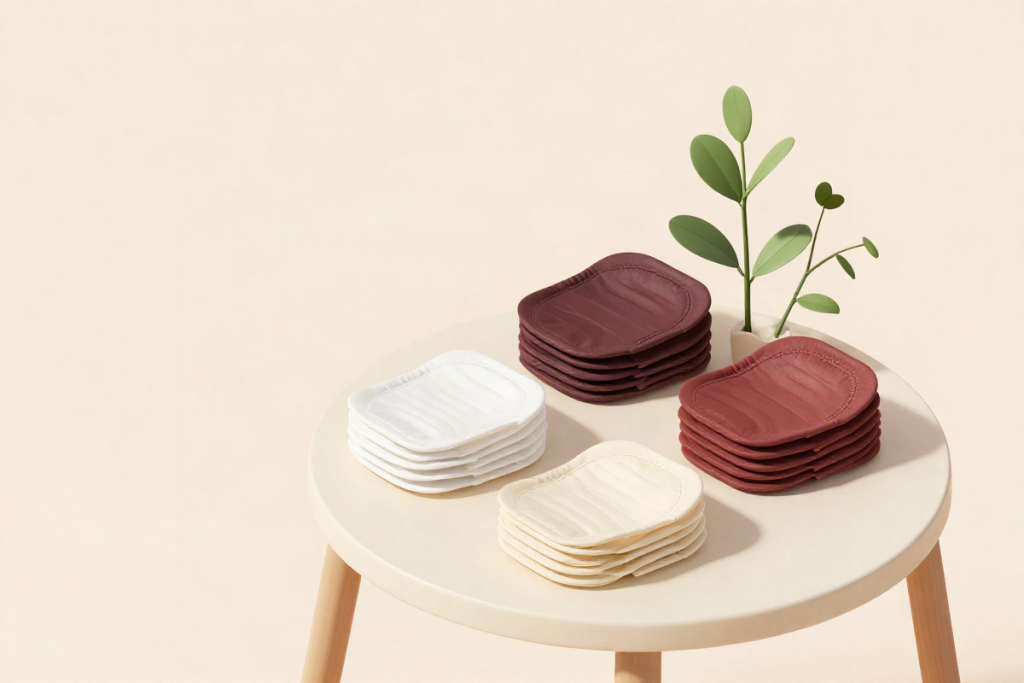
In recent years, the issue of ecology has become particularly pressing, and more and more parents are considering how their choices impact the environment. Reusable diapers are becoming an increasingly popular solution, allowing parents to care for their baby’s comfort while also contributing to the preservation of nature. Unlike disposables, which cause significant harm to ecosystems, reusable diapers can drastically reduce the amount of waste we produce daily.
Moreover, reusable diapers help decrease resource consumption used for the production and disposal of disposable counterparts. In this article, we will explore how this alternative option can be not only an economically beneficial solution for families but also an important step toward a more sustainable future for our planet.
Introduction to the Problem of Disposable Diapers
Disposable diapers have become an integral part of many families’ lives, providing convenience and ease of use. However, according to ecologists, their widespread use poses serious environmental problems. Statistics show that disposable diapers make up a significant portion of waste in landfills, and due to their design, which contains numerous synthetic materials, they take decades to decompose. This leads to the accumulation of enormous amounts of garbage and increased pollution of soil and water bodies.
The impact of disposable diapers on nature goes beyond their decomposition. The production of such products requires significant resources, including oil for synthetic materials and water for their manufacturing. These processes not only deplete natural resources but also contribute to carbon emissions in the atmosphere, negatively affecting the climate. Additionally, in landfills, diapers release methane, a potent greenhouse gas that exacerbates global warming.
Given these factors, the need for sustainable alternatives becomes clear. Reusable diapers present an effective solution to the problem. They are made from eco-friendly materials like cotton and bamboo and are designed for multiple uses, significantly reducing the amount of waste. Reusing not only saves money but also decreases the consumption of resources required to produce new diapers.
Choosing reusable diapers is increasingly popular among parents who care about their children’s health and the state of the environment. This choice allows them to not only reduce waste but also contribute to preserving nature for future generations. It is important to note that transitioning to reusable diapers requires some time to adapt, but in the long run, they prove to be more cost-effective and eco-friendly.
Benefits of Reusable Diapers for the Environment
Reusable diapers represent an important step toward a more eco-friendly lifestyle for modern parents. The main advantage of such products is the significant reduction in the volume of trash and waste. Despite their popularity, disposable diapers are responsible for the accumulation of enormous amounts of waste that decomposes in landfills for decades. In contrast, reusable diapers can be used multiple times, substantially cutting down on the waste generated in the process of child care.
Furthermore, reusable diapers are made from natural and eco-friendly materials, making them safe for both the child’s health and the environment. The use of organic fabrics, such as cotton or bamboo, eliminates the risk of allergic reactions that may occur with the use of synthetic materials in disposable diapers. Choosing reusable diapers also implies a conscious approach to ecology, as parents do not need to worry about how their products are disposed of.
Another significant aspect of reusable diapers is the conservation of resources, both in production and disposal. The manufacturing of disposable diapers requires large volumes of water, energy, and raw materials, which has negative consequences for the environment. Reusable diapers, on the other hand, only require washing, which minimizes resource consumption. This not only helps preserve nature but also allows parents to significantly reduce their expenses on baby supplies in the long term.
In conclusion, switching to reusable diapers is not only about caring for the child’s health but also about taking responsibility for future generations. With each such choice, we move closer to a more sustainable and ecologically clean world.
Infant Health and Reusable Diapers
Reusable diapers are becoming increasingly popular among parents who care about their children’s health and the environment. Their main advantage lies in the absence of chemical additives and allergens that can irritate a baby’s skin. Made from natural and eco-friendly materials, these diapers minimize the risk of allergic reactions and irritations, which is particularly important in the first months of life when a baby’s skin is extremely sensitive.
Comfort for a baby’s skin is also an important aspect worth noting. Reusable diapers provide good breathability and allow the skin to breathe, significantly reducing the likelihood of diaper rash. Parents can rest assured knowing their child is comfortable and safe without the need for synthetic materials that may be present in disposable diapers.
In addition, reusable diapers are easy to care for. They can be washed and used multiple times, allowing not only for financial savings but also for a significant reduction in waste. Unlike disposable diapers, which harm the environment, reusable products help preserve nature by reducing garbage and using resources more efficiently. Parents can easily wash these diapers by following simple care guidelines, making the process quick and convenient.
Thus, reusable diapers present an excellent solution for parents who strive to preserve nature and care for their children’s health. Their benefits include the following key points:
- Absence of harmful chemicals.
- Comfort for a baby’s skin.
- Resource savings and waste reduction.
- Ease of care and the possibility of multiple uses.
By choosing reusable diapers, parents make a choice in favor of their children’s health and care for our planet.
How to Choose Reusable Diapers
Reusable diapers are becoming an increasingly popular choice among parents who care about their children’s health and the environment. When selecting reusable diapers, it is important to consider several key criteria, such as material, size, and style.
Material plays one of the most crucial roles. Usually, reusable diapers are made from natural and eco-friendly fabrics, such as cotton, bamboo, or microfiber. These materials are not only soft and pleasant on a child’s skin but also significantly reduce the risk of allergic reactions. It is also worth paying attention to the presence of a waterproof layer that will help prevent leaks and ensure comfort for the baby.
Size is also important: the diapers should fit properly to avoid leaks and ensure comfort. Many brands offer adjustable sizes, allowing one diaper to be used for an extended period and to adapt it to the child’s growth and weight.
Style of reusable diapers also plays a significant role. There are many options available: from classic reusable diapers with fasteners to modern models with elastic inserts and bright prints. The choice of style depends on the parents’ preferences and the child’s comfort.
Equally important are the recommendations for care and washing of reusable diapers. To maintain their quality and extend their lifespan, it is recommended to wash the diapers at a temperature of 60 degrees and to avoid using bleach and fabric softeners. It is important to rinse the diapers thoroughly after use to remove any residues of contaminants. Many parents note that sometimes it is enough to simply air out the diapers to prepare them for reuse.
In 2026, the market features many popular brands and models of reusable diapers. Among them, brands like “Bambino Mio,” “TotsBots,” and “Fuzzibunz” stand out, offering a wide selection in terms of both style and functionality. These brands have established themselves as reliable manufacturers that focus on the quality and safety of their products.
Economic Aspects of Using Reusable Diapers
Reusable diapers are becoming increasingly popular among parents who seek not only to care for their children’s health but also to reduce their negative impact on the environment. The economic aspects of using such diapers also play an important role in decision-making. A comparison of expenses on disposable and reusable diapers shows the clear advantages of the latter. On average, a family using disposable diapers may spend between 15,000 to 30,000 rubles per year, depending on the brand and frequency of changes. At the same time, reusable diapers require a one-time investment of between 8,000 to 12,000 rubles for a set, which significantly reduces expenses in the long run.
The long-term savings on reusable diapers become particularly noticeable when considering that they can be used for multiple children. This means that a family planning to expand saves not only on the purchase of new diapers but also on washing, which, in turn, will cost significantly less than constant purchases of disposable products. Some manufacturers offer attractive deals and discounts on reusable diapers, making them even more affordable. Thus, the choice of reusable diapers not only contributes to preserving nature but also is a wise financial decision.
For families with multiple children, the financial benefits of using reusable diapers become especially evident. For example, if one set of diapers is designed for use over 2 to 3 years, then for a second child, the same set will be reused, significantly reducing costs. Additionally, many parents note that caring for reusable diapers requires fewer financial expenditures on special products compared to purchasing disposable diapers, which often can cause allergic reactions and require additional expenses on creams and gels.
In conclusion, reusable diapers not only help reduce waste but also become a cost-effective choice for families concerned about their budget and the environment.
Social Perception of Reusable Diapers
The social perception of reusable diapers is changing rapidly. More parents are recognizing the importance of ecology and striving to minimize their impact on nature. Reusable diapers are becoming a popular choice among those who care about their children’s health and those who want to reduce the volume of waste generated in everyday life. With each passing year, the number of initiatives and community movements supporting the transition to more sustainable solutions, such as reusable diapers, is growing.
The transition to reusable diapers is often accompanied by not only a change in habits but also a shift in attitude toward consumption. Many parents note that using such diapers allows them not only to save money but also to feel part of a global movement for environmental protection. Modern reusable diapers are made from natural and eco-friendly materials, making them safe for children and less harmful to the planet. Parents who take this step often become active participants in ecological communities, sharing their experiences and advice with those who are just starting their journey in this direction.
Community movements and initiatives play an important role in spreading information about reusable diapers. Through social media, blogs, and special events, organizers aim to raise awareness of the benefits of reusable solutions. As interest in ecology and sustainable development grows, such events are becoming increasingly popular, attracting attention not only from parents but also from the wider public. Numerous educational projects and workshops help parents navigate the choice and care of reusable diapers, promoting their broader adoption.
Thus, it can be confidently stated that the perception of reusable diapers in society continues to evolve. They are becoming not just an alternative to disposable products but also a symbol of responsibility and care for the planet’s future. It is expected that this trend will only continue to gain popularity in the coming years, representing an important step toward a more sustainable lifestyle.
Tips for Using Reusable Diapers
Using reusable diapers not only helps reduce waste but also requires special attention to their care. To prolong the lifespan of these products and ensure comfort for your child, it is necessary to follow several simple recommendations. First, it is important to wash the diapers correctly. It is recommended to rinse them in warm water immediately after use to remove moisture and contaminants. After that, the diapers can be washed in the washing machine at a temperature of 60 degrees, which will help effectively eliminate bacteria and unpleasant odors.
Additionally, it is worth paying attention to the choice of additional accessories that can significantly ease the process of caring for reusable diapers. For example, special liners can help retain moisture and protect the main layer of the diaper from contamination. It is also beneficial to use organic detergents that do not contain harsh chemicals and are safe for a baby’s sensitive skin. Lanolin soap, for example, is excellent for caring for wool diapers, restoring their water-repellent properties.
Teaching children to use reusable diapers can be an engaging process. Start by explaining to your child how diapers work and why they are important for nature. Create a game where the little one can help you in the care process — for example, let them choose which diaper to put on a doll. This not only develops responsibility but also instills a sense of environmental care from an early age.
By following these simple tips, you can not only use reusable diapers effectively but also make this process more comfortable and enjoyable for both you and your child.
Conclusion: The Future of Reusable Diapers
In 2026, reusable diapers are becoming an increasingly popular choice among parents who care about their children’s health and the state of the environment. The growth prospects for this industry look promising. With the increase in production and diversity of models, parents can choose suitable options that are both user-friendly and effective in resource conservation. Reusable diapers are made from eco-friendly materials, significantly reducing the burden on nature and minimizing waste.
With each passing year, the awareness of the importance of reducing disposable waste, which has become one of the main environmental issues, grows. Using reusable diapers helps not only to reduce the volume of plastic waste but also to decrease pollution associated with the production and disposal of disposable products. This approach to child care allows parents to not only save on expenses but also contribute to protecting the planet for future generations.
It is important to remember that the transition to reusable diapers is not only a personal choice but also a social responsibility. Parents should consider the ecological consequences of their actions and how they can help preserve nature. The call to action is to support eco-friendly practices by sharing their experiences with other parents and promoting awareness of the benefits of reusable diapers.
In the future, we can expect further technological advancements that will make reusable diapers even more convenient and effective. This includes improving the materials used in production and creating new models that will meet the needs of even the most demanding parents. Thus, reusable diapers could become the standard in child care, positively impacting the ecology and health of future generations.
Frequently Asked Questions
How often should reusable diapers be washed?
What materials are used for reusable diapers?
How much money can be saved by using reusable diapers?
Key Takeaways
- Reusable diapers reduce waste.
- They are safer for infants’ health.
- Long-term savings when used over time.
Sources
epicentrk.ua, mamalino.ru, kz.huggies.com, t-j.ru, ecogrizzly.shop