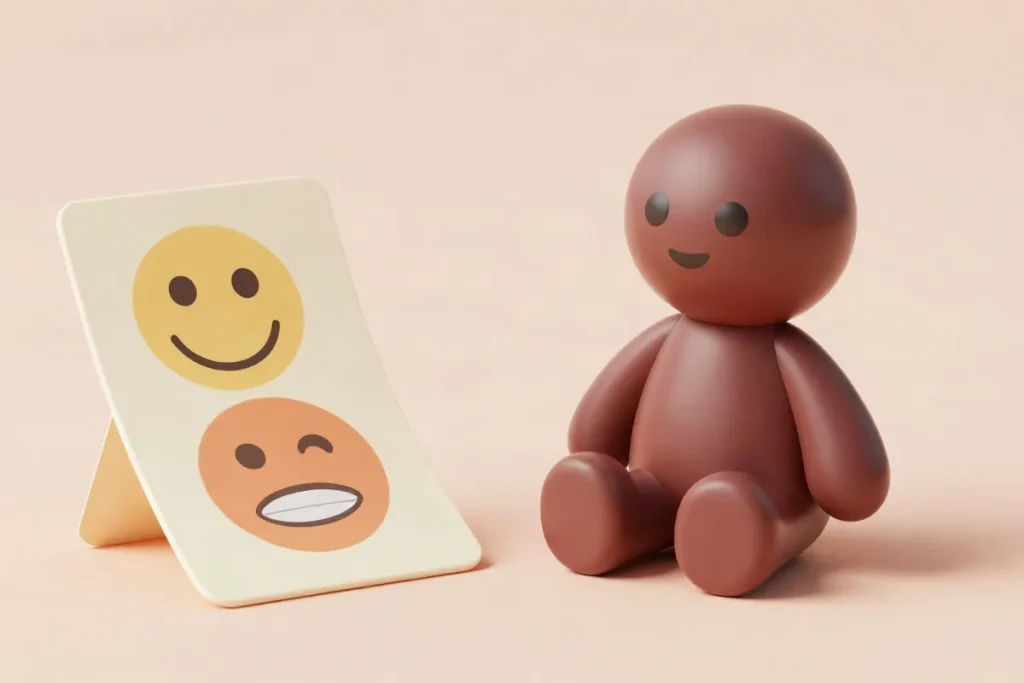
Developing children’s emotional intelligence became an important goal for parents and educators in 2026. Emotional intelligence plays a key role in building social skills, empathy, and the ability to interact effectively with others. But how can you choose the ideal activities to develop children’s emotional intelligence so they’re not only helpful but fun, too?
There are many approaches and methods that can help. It’s important to take a child’s age, interests, and needs into account so activities are as effective as possible. In this article, we’ll look at activities that promote emotional intelligence and ways to work them into your child’s everyday life.
What Is Emotional Intelligence?
Emotional intelligence is the ability to recognize, understand, and manage your own emotions, as well as those of other people. It includes self-awareness, self-regulation, empathy, and social skills. Developing emotional intelligence is especially important for children, as it helps them not only manage their own emotions but also interact effectively with others.
The importance of emotional intelligence for children is hard to overstate. In today’s world, where communication and collaboration skills are highly valued, strong emotional intelligence is a real advantage. Children with high emotional intelligence find it easier to get along with their peers, handle conflicts, and recognize their own feelings and those of others. This, in turn, helps build healthy relationships and boost self-esteem.
Emotional intelligence also plays a key role in children’s socialization. The ability to understand and interpret other people’s emotions helps children adapt more successfully to groups, whether at school or in other social settings. For example, children with well-developed empathy can better support their friends through difficult times, strengthening friendships and creating an atmosphere of trust. These skills also reduce aggression and conflict, making interactions more harmonious and productive.
Parents and educators can use a variety of methods and games to develop children’s emotional intelligence. Emotional dolls and cards, role-playing games, and pictograms showing different emotions are all excellent learning tools. These activities make learning fun while helping children become more aware of and express their feelings.
Games with Emotional Dolls
Games with emotional dolls are a fun and effective way to develop children’s emotional intelligence. With their range of facial expressions and personalities, these dolls help children learn to recognize and express their feelings, as well as understand the emotions of others. Using dolls in play, you can create different scenarios in which children act out situations involving happiness, sadness, anger, or fear. This not only builds emotional awareness but also develops empathy.
You can suggest different roles and scenarios for playing with emotional dolls. For example, children could act out a scene where one character loses a favorite toy and another tries to comfort them. Or you could create a situation in which the dolls are preparing for a party, with each character expressing how they feel about the preparations—from excitement to joy. Scenarios can be prepared in advance or improvised, making the game even more fun and engaging.
Using emotional dolls in games benefits children not only by developing emotional intelligence but also by improving their social skills. They learn to interact with one another, talk about their feelings, and find compromises. Emotional dolls can act as a bridge to communication, allowing children to explore their emotions in a safe and supportive environment. As a result, they become more confident and more attuned to other people’s feelings.
In short, games with emotional dolls are a powerful tool for nurturing children’s emotional intelligence. They help develop essential skills, such as understanding and expressing feelings and showing empathy for others. By using these dolls in play, parents and educators can create a positive environment for children’s emotional growth and development.
Emotion Cards
Emotion cards are a wonderful tool for developing children’s emotional intelligence. There are many different kinds of cards, each of which can be used for a variety of games and learning activities. They usually feature faces showing different emotions: happiness, sadness, anger, surprise, and many others. These images help children not only recognize emotions but also understand what they mean in different contexts.
One popular way to use the cards is to play “Guess the Emotion.” One player chooses a card and shows it to the others without saying a word. The other players have to guess which emotion is pictured. This game develops not only the ability to understand emotions but also nonverbal communication skills, an important part of emotional intelligence. It also helps build team spirit and cooperation among children.
Making your own emotion cards is another fun and useful way to explore the topic. You can invite children to draw their own pictures of emotions using different colors and symbols. This develops their artistic skills and gives them a chance to think more deeply about what each emotion means to them. Children can also make cards based on their own experiences, helping them express their feelings and share them with others.
Using emotion cards in everyday activities can greatly enrich children’s emotional development. Here are a few ideas for using them in different ways:
- Put on performances in which children act out the emotions shown on the cards.
- Talk about situations in which they’ve felt different emotions, using the cards as visual prompts.
- Include the cards in role-playing games, where children can interact with one another based on the emotions shown.
In this way, emotion cards become not only a useful learning tool but also a source of fun and creativity for children.
Role-Playing Games
Role-playing games give children a unique opportunity to develop emotional intelligence by immersing themselves in a variety of scenarios and situations. These games can be simple or creative. It’s important to give children space to express themselves, where they can not only play but also learn to understand other people’s emotions. Use different props and toys to create an atmosphere for role-playing. Emotional dolls and cards showing emotions can be a great addition, helping children visualize and recognize their own feelings and those of others.
Role-playing themes can be very diverse and depend on children’s interests. You could suggest everyday scenarios such as “A Trip to the Store” or “A Visit to the Doctor,” as well as more imaginative stories, such as “Adventures in a Fairytale World” or “A Space Journey.” The key is to choose scenarios that interest children and let them experiment with different roles. This will help develop not only creativity but also communication skills.
Developing empathy is one of the key aspects of emotional intelligence, and role-playing games support this process. When children play different roles, they learn to put themselves in someone else’s shoes and recognize and process that person’s feelings. This is an important skill that will serve them throughout their lives. During the game, you can ask children how they feel in their characters’ roles and how they would respond to different situations.
Role-playing games are therefore not just a fun activity but also a powerful tool for developing children’s emotional skills. The most important thing is to create a supportive and safe atmosphere where every child can freely express their feelings and learn to interact with others.
Pictograms for Emotional Development
Pictograms are simple, clear images that help children understand and express their emotions. These visual symbols can represent different feelings, such as happiness, sadness, anger, or fear, and are a useful tool for developing emotional intelligence. Parents and educators can use pictograms to make communication with children easier, especially with those who don’t yet know how to talk about their feelings or don’t like doing so. For example, in moments of stress or anxiety, a child can simply point to a pictogram showing the corresponding emotion, making it much easier to communicate how they feel.
Pictograms can be used in everyday life in many different ways. For example, putting a set of pictograms on the fridge or on a wall in a child’s room can create an “emotional wall” where the child can choose images that match their mood. This helps not only with learning but also with building the habit of consciously noticing one’s emotions. Pictograms can also be used in games, such as role-playing or performances where children portray different emotions with the help of visual prompts.
Creating an emotion board with pictograms is a great way to actively involve children in recognizing their feelings. To make one, take a large sheet of cardboard and attach a variety of pictograms representing different emotions. Children can add their own drawings or photos associated with particular feelings. The board will be a useful tool for understanding emotions and a great conversation starter, giving everyone a chance to talk about their experiences and associations.
To sum up, pictograms are an effective way to develop children’s emotional intelligence. They help children recognize and express their own feelings, and better understand other people’s emotions. By using these visual tools, we can support children’s emotional development and help them build communication and self-regulation skills.
Games to Develop Communication Skills
Games to Develop Communication Skills
Children can’t develop emotional intelligence without active communication. Games that encourage open communication are a great way to support this. Role-playing games are one effective option, allowing children to take on different roles and act out various scenarios. These games not only develop communication skills but also help children better understand other people’s emotions. For example, when playing “Family,” children learn to talk about their feelings and experiences and support one another.
Emotional dolls and cards showing different emotions also play an important role in teaching children to share their feelings. These toys help children visualize their emotions and talk about how they feel in different situations. This is especially useful for young children who can’t yet express their thoughts clearly. Card games can include activities where children match emotions to particular situations or even make up their own story using the cards.
Playing together strengthens the bonds between children and their parents, creating a space for trust and openness. As they play, children learn to listen to others, express their thoughts, and take their peers’ opinions into account. This is important not only for building friendships but also for developing teamwork skills. These activities also help parents better understand their children’s emotions and experiences, encouraging deeper, more trusting communication.
Making these games part of everyday life can significantly improve a child’s emotional intelligence, building self-confidence and communication skills that will be useful in the future. The reasoning and creativity children use during play enrich their experience and help them build healthy relationships with others.
Books and Resources on Developing Emotional Intelligence
Books play an important role in developing emotional intelligence in both children and parents. In 2026, there are many titles that help readers understand and discuss emotions, and learn to recognize and express them. Popular books include “Emotions: How to Understand Them” and “How to Teach Your Child to Manage Their Emotions.” These books offer practical advice and interactive activities that allow parents and children to explore the world of emotions together.
When choosing books, it’s important to consider the child’s age and stage of development. For very young children, colorful picture books with simple text can help make emotions easier to visualize. For older children, look for books that include not only theory but also practical exercises, such as role-playing games and activities for discussing different situations. It’s also helpful to choose books with stories that allow children to identify with the characters and their experiences.
Talking about emotions through books can be a fun and useful activity. Parents can ask questions about the story to encourage children to share their feelings and experiences. For example, you could discuss how the characters acted in difficult situations and ask your child to come up with alternative solutions. This develops critical thinking and helps build an emotional bond between parent and child.
To make reading even more interactive, you can use emotional dolls or cards showing different emotions. By creating role-playing games based on books they’ve read, children can better understand and experience emotions, helping their emotional development progress more quickly. It’s important to remember that the more time parents spend discussing emotions with their children, the easier it will be for children to express their feelings and understand others.
Things to Keep in Mind
It’s important to remember that every child is unique and develops emotional intelligence at their own pace. When choosing activities to develop emotional intelligence, take the child’s age, individual characteristics, and interests into account. For example, simple games with emotional dolls or cards are suitable for young children, helping them visualize and talk about different emotions. Older children may be ready for more complex role-playing games, where they can not only recognize emotions but also learn to empathize with others.
It’s also important to remember that activities should be fun as well as educational. An engaging approach to learning helps children absorb the material more deeply. Role-playing games that let children try out different social roles will help them better understand other people’s emotions. Pictograms and cards showing emotions can make learning easier, allowing children to match their feelings visually with images and situations.
Parents play a crucial role in this process. Their support and participation create a safe atmosphere where children can express their feelings openly. Parents can join in the games, making learning more effective and strengthening the emotional bond between them and their child. When parents talk about emotions and share their own experiences, they also set an example that helps children develop emotional intelligence.
To make activities as effective as possible, parents should pay attention to the following:
- Choose games and exercises according to the child’s age and interests.
- Take an active part in activities and create a comfortable atmosphere for talking about emotions.
- Practice regularly to reinforce the knowledge and skills children have gained.
- Encourage children to express their feelings openly and talk about emotions as a family.
Developing children’s emotional intelligence is therefore a complex but engaging process that requires attention to each child’s individual characteristics as well as active parental involvement.
Frequently Asked Questions
At what age can you start teaching children about emotional intelligence?
How often should you work on developing emotional intelligence?
Can outdoor games help develop emotional intelligence?
Key Takeaways
- Emotional intelligence is important for children’s socialization.
- Games and activities help children understand and express their emotions.
- Parents play a key role in developing emotional intelligence.
Sources
4brain blog, maltaschool.ru, megalife.by, prioritet1.com, sportzania.ru