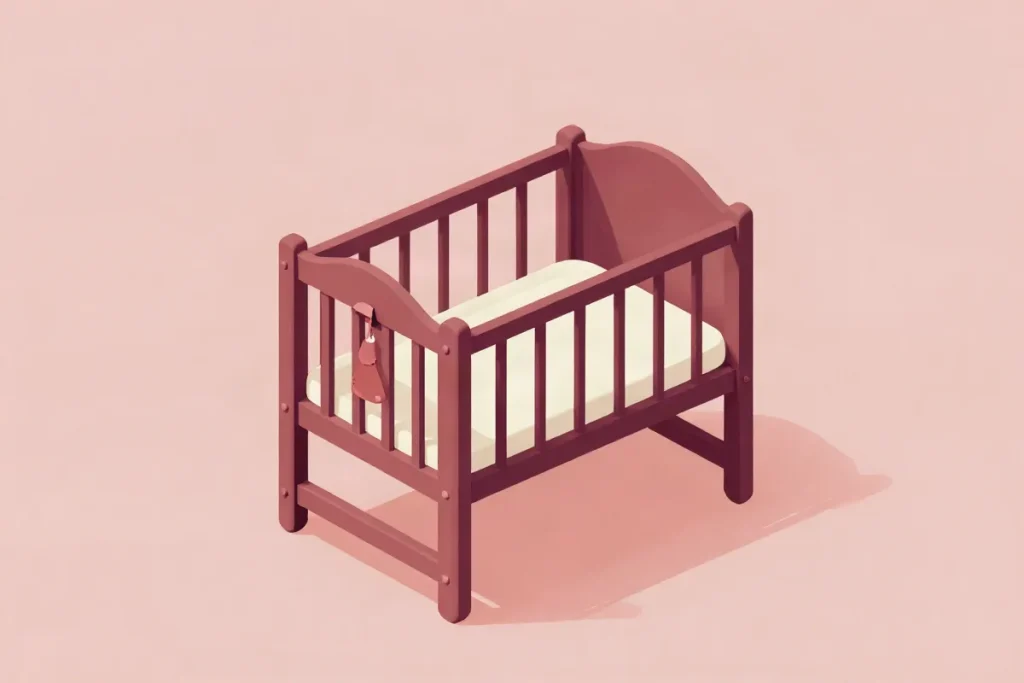
Proper organization of a newborn’s sleep involves creating a safe, comfortable, and predictable environment, maintaining a routine, and attentively responding to the baby’s needs. This helps reduce stress and fatigue for the whole family, ensuring peace and harmony at home.
Newborn sleep is one of the most crucial factors for their health and development, as well as a key element of family well-being. When babies sleep well and calmly, parents feel more confident and less tired, which positively affects the family atmosphere. In this article, we will explain how to properly organize newborn sleep for the peace of the entire family, taking into account current recommendations and the specifics of infant sleep.
Understanding the baby’s needs and creating comfortable sleeping conditions can help avoid many common problems—from frequent awakenings to disrupted routines. Tips on how to prepare the sleeping area, choose appropriate times for daytime and nighttime naps, and how to respond to a newborn’s fussiness will serve as useful guides for new parents in 2026.
| Item | Price (RUB) | Purpose | Recommendations |
|---|---|---|---|
| «Angelina» Crib | 7,500 | Safe sleeping place | Complies with GOST 31479–2021 |
| «Baby Sleep» Mattress | 6,000 | Firm mattress with breathable cover | Thickness 5–7 cm, hypoallergenic |
| Owlet Smart Sock 3 Breathing Monitor | 18,000 | Tracks breathing and pulse | Reduces risk of SIDS |
| Boneco U200 Humidifier | 10,000 | Maintains 40–60% humidity | With automatic hygrostat |
| Marpac Dohm Classic White Noise Machine | 5,000 | Calming and aids falling asleep | Used after 3 months |
- 16–18 hours Average daily sleep duration for newborns
- 18–20 °C Optimal room temperature for baby’s sleep
- 6 months Period before which pillows and blankets are not recommended
- 7,500 ₽ Average price of the «Angelina» baby crib
- 3–4 months Age when independent sleep begins to develop
What Is the Optimal Sleep Schedule for Newborns in the First Months?
Sleep Duration
The optimal sleep schedule for newborns during the first months includes a total sleep time of up to 16–18 hours per day, in line with WHO standards for 2026. The average nighttime sleep duration for infants is about 6 hours and gradually increases by six months. In Russia, the Ministry of Health recommends gradually establishing stable nighttime sleep after 2–3 months of age, providing the baby with full rest without frequent awakenings.
Timing Distribution
Newborns sleep in short periods of 3–4 hours with frequent awakenings for feeding, which is standard for children up to three months. This schedule supports regular feeding and promotes healthy development. During the first months, total daily sleep is divided into 4–6 sessions, including daytime and nighttime periods. According to WHO 2026 recommendations, parents should focus on the baby’s feeding needs and comfort rather than on prolonged uninterrupted sleep.
- Total sleep time: 16–18 hours per day (WHO, 2026)
- Average nighttime sleep duration: about 6 hours with gradual increase by 6 months
- Sleep duration between awakenings: 3–4 hours for children under 3 months
- Number of sleep periods per day: 4–6 short sessions
- Russian Ministry of Health recommendation: establish stable nighttime sleep after 2–3 months
How to Create a Safe and Comfortable Environment for Newborn Sleep?
A safe and comfortable sleep environment for a newborn is created by controlling room temperature and choosing furniture with a mattress that meets modern standards and pediatric recommendations. It’s important to keep the room warm at 18–20 °C and use a certified crib with a firm mattress, avoiding pillows and blankets for the first six months to reduce the risk of SIDS.
Air Temperature and Humidity
The optimal temperature in the nursery should be maintained between 18–20 °C to avoid overheating the baby, as confirmed by recommendations from the Russian National Health Institute. Air humidity should ideally be kept at 40–60%, which helps maintain a comfortable microclimate and reduces the likelihood of colds.
Choosing a Crib and Mattress
- «Angelina» crib by Mishutka with certified bumpers costs about 7,500 ₽, providing safety and reliability.
- A firm mattress 5–7 cm thick with a breathable cover, such as «Baby Sleep» by Ormatek for 6,000 ₽, supports proper positioning and air circulation.
- Use of pillows and blankets is prohibited for the first 6 months according to GOST 31479–2021 to prevent sudden infant death syndrome.
How to Properly Organize Feeding and Wakefulness to Improve Sleep?
Proper organization of feeding and awake periods helps improve sleep quality and reduces nighttime awakenings, positively affecting the peace of the whole family. During the first two months, breastfeeding every 2–3 hours helps the baby establish natural sleep-wake cycles, in line with WHO 2026 recommendations.
Feeding Schedule
Frequent breastfeeding in the first 60–70 days stimulates regulation of biological rhythms in newborns. After 4 months, most babies gradually shift to longer nighttime stretches without feeding, which reduces awakenings and eases parents’ sleep. It’s important to pay attention to signs of tiredness—looking away, yawning, or decreased activity—and put the baby down before overtiredness, which helps shorten falling asleep time.
Bedtime Rituals
Establishing a consistent bedtime ritual that includes bathing and soft music reduces infants’ falling asleep time by 15–20 minutes, according to a 2025 study by the Russian Academy of Sciences’ Institute of Psychology. This consistent routine helps the baby associate certain actions with sleep onset and eases the transition to peaceful nighttime rest.
- Feeding interval: every 2–3 hours during the first 2 months (WHO 2026)
- Transition to nighttime sleep without feeding: after 4 months
- Reduction of falling asleep time with rituals: 15–20 minutes (Institute of Psychology RAS 2025)
- Signs of tiredness: looking away, yawning
What Technical Devices and Gadgets Help Monitor Newborn Sleep?
Breathing Monitors
Breathing monitors are among the most effective devices for monitoring newborn sleep, allowing real-time tracking of the baby’s breathing and pulse. For example, the «Owlet Smart Sock 3» is a wearable sock sensor costing about 18,000 ₽ that transmits data to a smartphone, alerting parents to breathing or heart rate irregularities. Such devices significantly reduce parental anxiety and provide timely responses to possible sleep issues.
Lighting and Humidity Devices
To create a comfortable atmosphere during bedtime and sleep, adjustable nightlights like the Philips Hue Go, priced from 4,500 ₽, are important. These lamps allow gentle lighting adjustments to reduce the baby’s stress. Controlling air humidity is also crucial—the optimal range is 40–60%. The Boneco U200 humidifier (from 10,000 ₽) with a built-in hygrostat automatically maintains this range, promoting healthy breathing and preventing mucous membrane dryness.
- «Owlet Smart Sock 3» breathing monitor — about 18,000 ₽, tracks pulse and breathing in real time;
- Philips Hue Go nightlight — from 4,500 ₽, with adjustable brightness and color for comfortable sleep;
- Boneco U200 humidifier — from 10,000 ₽, maintains 40–60% humidity via built-in hygrostat;
- Sleep and feeding tracking apps, such as Baby Tracker on iOS, help analyze the baby’s routine.
What Common Mistakes Interfere with Proper Newborn Sleep?
Errors in Clothing and Bedding
Over-bundling a newborn with more than three layers of clothing greatly increases the risk of overheating and sudden infant death syndrome (SIDS), warns Rospotrebnadzor. Using pillows and soft toys in the crib before the baby reaches one year is also prohibited due to suffocation hazards. It’s best to choose lightweight bodysuits or sleep sacks with fabric density appropriate for the season to maintain the baby’s body temperature in the range of 36.5–37 °C.
Routine Disruptions and Their Consequences
Irregular infant sleep disrupts circadian rhythms, causing irritability and difficulty falling asleep. Frequent parental awakenings caused by loud monitor alarms increase family stress and degrade sleep quality for all members. For newborns, it is recommended to establish a sleep schedule with awake intervals no longer than 2–3 hours and to use silent monitoring devices with noise levels below 30 dB to minimize stress.
- Maximum number of clothing layers: 3
- Age until which pillows and soft toys are prohibited: 12 months
- Baby’s comfortable body temperature range for sleep: 36.5–37 °C
- Maximum awake duration between sleeps: 2–3 hours
- Recommended monitor noise level: not more than 30 dB
When and How to Introduce Independent Sleep without Constant Rocking?
Age for Developing Independent Sleep
Independent falling asleep in newborns generally begins forming after 3–4 months, when the baby develops self-regulation skills. A 2024 study by the Institute of Child Psychology showed that by 6 months, children with independent sleep skills better adapt to sleep routines and have fewer nighttime awakenings.
Methods and Support Tools
To reduce a baby’s dependence on rocking, the method of gradually decreasing rocking over 2–3 weeks is effective. This allows the baby to get used to falling asleep on their own without sudden changes. An important aid is white noise—for example, the «Marpac Dohm Classic» machine, costing about 5,000 ₽, helps relax and improve sleep quality.
- Age to start independent sleep: 3–4 months
- Rocking reduction period: 14–21 days
- Cost of «Marpac Dohm Classic» white noise machine: about 5,000 ₽
- Adaptation results by 6 months according to the Institute of Child Psychology (2024)
Frequently Asked Questions
How many hours should a newborn sleep per day?
Can blankets and pillows be used in a newborn’s crib?
What is the optimal room temperature for a baby’s sleep?
When can you stop rocking the baby to sleep?
Key Takeaways
- Newborns sleep 16–18 hours with short sleep cycles
- Room temperature of 18–20 °C reduces overheating risk
- Avoid pillows and blankets until 6 months as per GOST
- Bedtime rituals reduce falling asleep time
- Gradual reduction of rocking develops independent sleep