Updated: August 26, 2026
Newborn hygiene is one of the most important topics that every mom faces. In the first months of your baby’s life, their health and comfort depend on proper care and adherence to hygiene standards. It is during this period that essential habits are formed and the immune system is strengthened, so it is crucial to know how to organize daily hygiene correctly.
In this article, we will discuss the key aspects of caring for a newborn, including the basic hygiene rules, bathing frequency, skin care, and care for the umbilical stump. By knowing these simple yet important recommendations, every mom can ensure her child has a healthy and comfortable start in life.
Fundamentals of Newborn Hygiene
Newborn hygiene is an important aspect that requires special attention from parents. In the first weeks of the baby’s life, it is necessary to maintain regularity in hygiene procedures. One of the key tasks is the daily bathing of the child using gentle and hypoallergenic products. This not only helps maintain body cleanliness but also promotes relaxation for the baby after an active day. It is recommended to bathe the newborn several times a week, while it is essential to monitor the water temperature — it should be comfortable and warm.
When changing diapers, it is very important to wash with warm water. This will help prevent irritation and inflammation in the baby’s intimate area. Wash carefully, using your palm and moving from top to bottom to thoroughly remove all dirt. Special attention should be given to skin folds, where dirt can accumulate, potentially leading to irritation or diaper rash. In such cases, avoid using soap unless necessary; warm water will suffice.
Caring for a newborn’s skin also includes regular treatment of the umbilical stump. This process requires caution and adherence to sterility. It is essential to ensure that the stump is always clean and dry, which helps prevent infections and promotes quick healing. If redness or discharge occurs from the stump, it is advisable to consult a doctor.
In addition, it is important to remember the significance of daily hygiene care for the baby’s face and hands. Wipe their face, hands, and eyes with cotton pads moistened in warm water to remove dirt and prevent infections. Thus, following simple hygiene rules will help ensure your newborn’s health and comfort.
Bathing: Tips and Recommendations
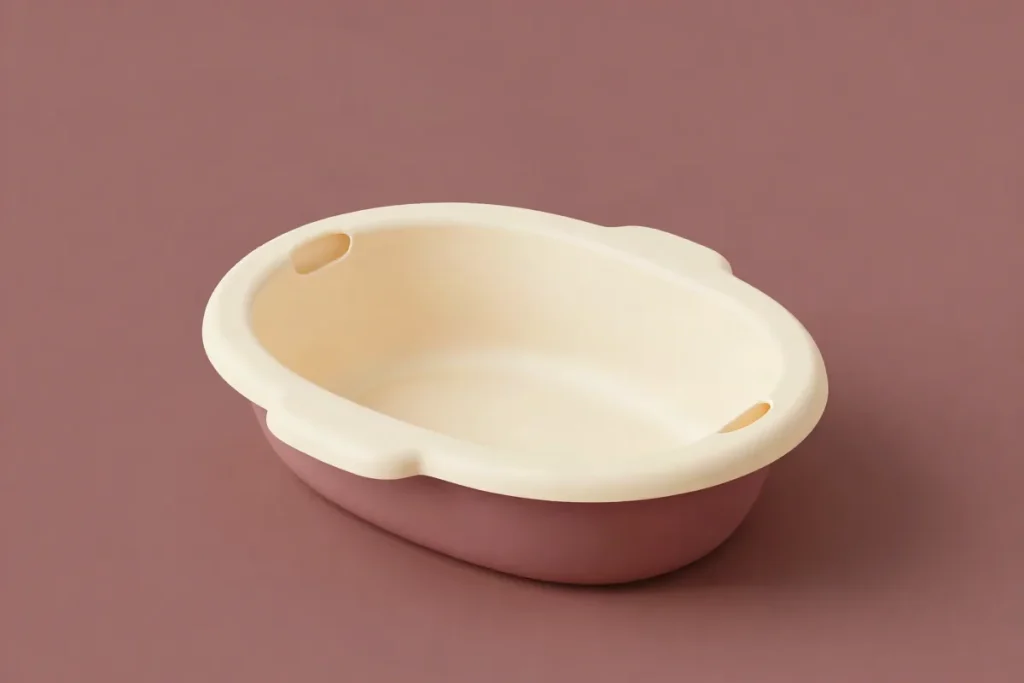
Bathing a newborn is an important part of hygiene care that helps maintain the baby’s health and comfort. The optimal water temperature for bathing should be between 36-37°C. This will provide comfortable conditions for the child and help prevent hypothermia. For the first bath, it is best to use only warm, filtered water without adding soap to minimize the risk of allergic reactions.
It is recommended to bathe the newborn 2-3 times a week in the first months of life. This schedule will help preserve the skin’s natural protection and prevent excessive drying. It is important to remember that special attention must be paid to skin folds, where dirt can accumulate and cause irritation. For this, use a soft sponge or your palm, gently washing the baby to thoroughly remove all contaminants.
When choosing bathing products, prefer hypoallergenic options designed specifically for children. They will help avoid unwanted reactions and ensure gentle cleansing of the skin. Also, note that soap should only be used in extreme cases, as it can dry out the delicate skin of the newborn.
In addition to regular bathing, it is important to maintain hygiene of the umbilical stump. Ensure that this area remains dry and clean to avoid infections. For this, you can use dry gauze dressings and treat the stump with antiseptics recommended by a pediatrician.
In conclusion, bathing a newborn is not just an opportunity to maintain cleanliness, but also an important moment for establishing contact between parents and the child. Enjoy this process by creating a pleasant atmosphere and helping the baby adapt to new living conditions.
Newborn Skin Care
Caring for a newborn’s skin requires special attention and care. Babies’ skin is very sensitive and requires gentle handling. It is important to regularly rinse skin folds to avoid dirt accumulation and possible irritation. This can be done by washing the baby with warm water, carefully removing contaminants from the skin. It is especially important to pay attention to areas such as neck folds, armpits, and the area under the diaper, where sweat and discharge residues can accumulate.
To moisturize the newborn’s skin, it is recommended to use gentle and safe creams or oils suitable for sensitive skin. Hypoallergenic products will help prevent allergic reactions and keep the baby’s skin healthy and hydrated. When choosing products, pay attention to the composition — avoid aggressive chemicals and fragrances.
If you notice redness or other changes on the skin, do not delay a visit to the doctor. The doctor will be able to assess the skin’s condition and prescribe treatment if necessary. Regular check-ups and consultations will help avoid complications and ensure your baby’s health.
Important points for caring for a newborn’s skin:
- Regularly rinse skin folds.
- Use only hypoallergenic products for moisturizing.
- Consult a doctor if redness or irritation occurs.
- Avoid using soap unless absolutely necessary.
Caring for the delicate skin of a newborn is not only about hygiene procedures but also an expression of love and care from parents. By following simple recommendations, you can ensure comfort and health for your baby.
Hygiene of the Umbilical Stump
Hygiene of the umbilical stump is one of the most important aspects of caring for a newborn. The navel is where the umbilical cord connected to the baby’s body, and after its cutting, a small wound remains that requires special attention until fully healed. It is important to treat this area with antiseptic solutions, such as iodine or chlorhexidine, to avoid infections. Current recommendations suggest treating the stump at least once a day and also after each hygiene procedure.
Maintaining the cleanliness and dryness of the umbilical area is another key point in caring for a newborn. After bathing or washing, it is necessary to gently pat the stump dry with a clean, dry towel. Avoid using soap and other aggressive products in this area, as they may cause irritation. Clothing should be loose to avoid rubbing the stump, and it is preferable to choose natural fabrics that will not cause allergies or discomfort.
Pay attention to changes in color or odor of the umbilical stump. The normal healing process suggests that the stump gradually lightens and dries out. If you notice redness, swelling, or an unpleasant smell, this may indicate inflammation or infection, and in such cases, it is necessary to consult a doctor. It is also worth remembering that in the first weeks after birth, a small amount of bloody discharge from the navel is normal; however, if it continues for a long time or increases, seek help.
In summary, it is important to remember that proper care of the umbilical stump is the key to your baby’s health. Regular antiseptic treatment, maintaining cleanliness, and paying close attention to changes will help ensure the newborn’s comfort and safety.
Benefits of Daily Care
Daily care for a newborn plays a crucial role in their health and well-being. Wiping the face, hands, and eyes with cotton soaked in clean water helps maintain hygiene and prevent the accumulation of dirt and microbes. It is important to pay attention to all skin areas, especially in folds, where moisture can accumulate and cause irritation. This approach not only promotes the baby’s physical comfort but also instills a habit of personal hygiene from a young age.
Regular care reduces the risk of infections and skin diseases, which is especially important for newborns whose skin is sensitive and vulnerable. Remember that it is best to use hypoallergenic products for newborn care, which do not contain aggressive components. This will help avoid allergic reactions and irritations, providing the baby with comfortable conditions for growth and development.
Moreover, daily procedures such as washing and bathing strengthen the bond between parents and the child, creating an atmosphere of care and love. Personal hygiene rituals become an important part of shared time, fostering not only physical but also emotional development for the baby. By following simple hygiene rules, parents can be confident that they are doing everything possible for their child’s health.
Thus, daily care for a newborn is not just a necessity but an important aspect of upbringing that lays the foundation for forming healthy habits in the future.
Recommendations for Choosing Hygiene Products
When selecting hygiene products for a newborn, it is especially important to be attentive and mindful. First of all, pay attention to trusted and certified products. Such products have undergone necessary testing and comply with safety standards, which is crucial for the sensitive skin of the baby. Making the wrong choice can lead to various skin reactions and allergies, so trust only well-known brands and manufacturers.
Equally important is the composition of hygiene products. Choose products with a hypoallergenic formula that do not contain aggressive chemical components. Avoid products with strong fragrances and dyes, as they can cause irritation and allergic reactions on the delicate skin of the newborn. It is better to prefer natural and organic compositions that minimize the risk of negative consequences.
In addition, pay attention to the types of products you plan to use. It is essential that the products are specifically designed for newborns, as their skin requires special care and protection. For example, choose special baby gels or foams for bathing that gently cleanse without drying out the skin. For washing, moisturizing and soothing lotions or creams suitable for delicate areas are ideal.
To simplify the process of selecting hygiene products, you can create a list of necessary items:
- Baby soap or shower gel without fragrances;
- Diapers suitable for age and weight;
- Baby wet wipes without alcohol and fragrances;
- Baby cream or lotion for skin care;
- Soft sponge for washing;
- Products for treating the umbilical stump.
By following these recommendations, you can ensure your newborn’s comfortable and safe care, minimizing the risk of skin diseases and other troubles.
Common Mistakes in Newborn Hygiene
Common mistakes in newborn hygiene
Newborn hygiene is an important aspect of care that requires special attention. One of the most common mistakes is using soap every time you bathe the baby. Although soap can help remove impurities, it can also dry out the delicate skin of a newborn, leading to irritation and discomfort. It is recommended to use soap only when absolutely necessary, and at other times to limit yourself to warm water and hypoallergenic products that do not disrupt the skin’s natural balance.
Insufficient care for skin folds is another common mistake. The skin folds of a newborn, especially in the armpits, groin, and neck, require thorough hygiene treatment, as these areas can accumulate sweat and dirt, potentially causing irritation and diaper rash. Parents should carefully wash these areas using warm water and a soft sponge. This will help prevent unpleasant skin conditions and ensure the baby’s comfort.
It is also essential not to ignore consultations with a pediatrician regarding hygiene care. Many parents believe they know all the necessary rules; however, consultations with a doctor can help avoid mistakes and receive individual recommendations considering the specific health characteristics of the child. It is important to remember that every baby is unique, and what works for one may not work for another.
In conclusion, proper hygiene for newborns includes:
- Limiting soap use during bathing;
- Thorough care of skin folds;
- Regular consultations with a pediatrician.
By following these simple recommendations, moms can ensure their baby’s comfort and health.
When to Consult a Doctor
When caring for a newborn, it is important to pay attention to any changes in the skin’s condition and the baby’s overall well-being. The appearance of redness or rashes on the skin may signal that the child is experiencing issues. These changes can indicate dermatitis, an allergic reaction, or even an infection. In such cases, parents should immediately consult a doctor for advice and necessary treatment. Do not attempt self-medication, as incorrect actions can worsen the situation.
Pay attention to the condition of the umbilical stump as well. If it does not heal within a few weeks, this may indicate an infection. The umbilical stump generally heals within the first two weeks of life, and if redness, purulent discharge, or other alarming symptoms are observed after this period, it requires consultation with a specialist. Remember that care for the umbilical stump includes regular cleaning and adherence to hygiene standards, and neglecting these aspects can lead to complications.
If an infection or allergic reaction is suspected, it is important to be attentive to other symptoms: fever, changes in the baby’s behavior, appetite, or sleep. These signs may indicate that the baby needs medical attention. In such cases, it is best not to delay a visit to the doctor to avoid possible complications and ensure the child’s health.
Remember that timely consultation with a doctor helps prevent serious problems and ensures your newborn’s comfortable and safe development. Take care of your baby and remember that your attention and care can play a key role in their health.
Frequently Asked Questions
How often should a newborn be bathed?
Can regular soap be used for bathing?
How to care for the umbilical stump?
How to choose hygiene products for a newborn?
Key Takeaways
- Proper hygiene is the key to a newborn’s health.
- Regular care prevents skin diseases.
- Washing and bathing are important procedures in care.
Sources
mc21.ru, blog of the ON Clinic medical center, xn--80a9al.xn--p1ai, blog of the online store Jupon-Pantalon, Brest Regional Maternity Hospital
