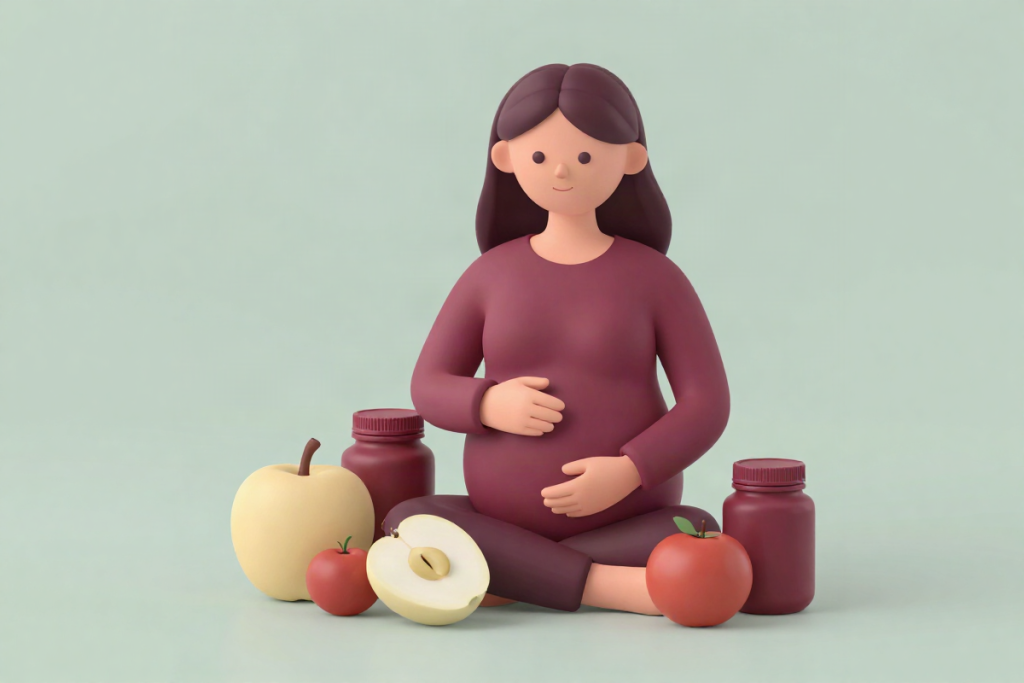
Pregnancy is a unique and important period in every woman’s life that requires special attention to her health. The main factors influencing fetal development can significantly determine its future. It is important to understand that these factors are influenced not only by the mother’s lifestyle but also by the environment, genetic data, and even emotional state. Each of these aspects plays a role in shaping the future child’s health.
This article will explore the key elements that can affect the health of the fetus during pregnancy. You will learn about nutrition, physical activity, as well as how stress and harmful habits can impact the baby’s development. Understanding these factors will help expectant mothers create optimal conditions for their child’s health and prepare for the joy of motherhood.
Maternal Health: A Key Factor
The overall health of the expectant mother is a key factor affecting fetal development. A woman’s health during pregnancy determines not only her own well-being but also the conditions under which the future child is formed and developed. Proper nutrition, an adequate amount of vitamins, such as vitamin A and folic acid, as well as the absence of harmful habits play an important role in this process. Equally significant is the mother’s psycho-emotional state; stress and chronic fatigue can negatively impact fetal development.
Chronic diseases also pose a serious risk. For example, cardiovascular diseases, diabetes, or hypertension can complicate pregnancy and lead to various pathologies in the fetus. It is important for women with such conditions to be under constant medical supervision and receive necessary medical assistance. Autoimmune diseases, such as systemic lupus erythematosus or thyroiditis, can cause serious developmental disorders in the fetus, as the mother’s immune system may start to attack the embryo’s tissues. Infectious diseases, especially viral ones, can also significantly affect the health of the future child, contributing to various anomalies.
Furthermore, the impact of ecology and social status on maternal health must be considered. Poor living conditions, a polluted environment, and limited access to quality food can worsen the health of the woman and, consequently, her child. It is important to remember that the health of the future mother is a multifaceted issue requiring a comprehensive approach and careful monitoring by medical professionals.
Ultimately, caring for maternal health includes not only physical but also psychological well-being, which together creates favorable conditions for the full development of the fetus.
Heredity and Genetic Factors
Heredity and genetic factors play a key role in shaping the health of the future child. Genetic predisposition can influence many aspects, including physical health, mental abilities, and susceptibility to various diseases. At conception, the child inherits half of the genetic information from the mother and half from the father, creating a unique set of genes that determine its individual characteristics. Therefore, if one of the parents has hereditary diseases, the risk of passing them on to the child significantly increases.
Hereditary pathologies can be diverse and include both serious genetic diseases, such as cystic fibrosis or phenylketonuria, and less obvious but still significant predispositions to certain conditions, such as diabetes or hypertension. It is important to understand that inherited diseases may not manifest throughout life; however, under certain conditions (for example, in the presence of unfavorable environmental factors), they can activate and affect the child’s health.
Modern technologies allow for testing for genetic diseases before pregnancy. These tests can help parents assess the risks of transmitting hereditary diseases and make informed choices. Genetic counseling is becoming increasingly common, offering information about potential risks and options for future parents. Such measures assist not only in family planning but also in choosing the safest solutions for the health of the mother and child.
In conclusion, it is essential to remember that genetic factors are just part of the equation. The health of the future child also depends on the lifestyle of the parents, their nutrition, health status, and the environment. This highlights the need for a comprehensive approach to family planning that considers both heredity and other factors affecting fetal development.
Ecology and the Environment
Pregnancy is a period when the health of the mother and fetus is influenced by many factors, among which ecology and the state of the environment hold a special place. Air and water pollution can negatively impact fetal development. Scientific studies show that high levels of pollutants in the atmosphere, such as dioxins and heavy metals, are associated with the risk of various pathologies in newborns. For example, women living in areas with high pollution levels are more likely to encounter respiratory problems and low birth weight.
Additionally, it is important to mention the risks associated with radiation and chemicals. Since many chemicals can cross the placenta, it is crucial to be cautious about their exposure. Some of them can cause mutations and abnormalities in fetal development. Long-term exposure to radiation is also known to lead to serious consequences, including cancer in the future. Therefore, expectant mothers are advised to avoid contact with potentially hazardous substances and carefully monitor their surrounding environment.
The choice of residence also plays a crucial role in the health of the future mother and her child. Some regions may have cleaner ecology than others, contributing to better fetal development. For women planning pregnancy or in the early stages, it is important to consider factors such as the availability of green spaces, pollution levels, and access to clean water. Living in ecologically clean areas can help reduce risks and improve overall health.
Thus, ecology and the environment significantly influence pregnancy. Expectant mothers should pay attention not only to their health and nutrition but also to the ecological conditions in which they live. This will help create more favorable conditions for the baby’s development and reduce the likelihood of various complications.
Nutrition and Vitamins During Pregnancy
Nutrition and vitamins during pregnancy play a crucial role in fetal development and the health of the future mother. Among the most important vitamins are folic acid and vitamin A. Folic acid, or vitamin B9, is particularly necessary in the first weeks of pregnancy, as it contributes to the proper development of the fetal nervous system and reduces the risk of various anomalies. Vitamin A, in turn, is essential for the formation of cells, tissues, and organs, and also supports the immune system of both mother and child. A deficiency of these vitamins can lead to severe consequences, such as congenital malformations and increased susceptibility to infections.
A lack of nutrients in the diet of a pregnant woman can significantly worsen both the mother’s condition and the development of the fetus. This can manifest as anemia, an increased risk of complications during pregnancy and childbirth, and also negatively affect the health of the newborn. For example, a shortage of iron can lead to anemia, increasing the likelihood of premature births and low birth weight. For this reason, it is crucial to monitor the diet and, if necessary, take vitamin complexes recommended by a doctor.
When planning a pregnant woman’s diet, it is essential to account for a variety of foods rich in necessary vitamins and minerals. It is recommended to include in the menu:
- Vegetables and fruits, especially dark green leafy vegetables and citrus fruits, rich in vitamin C and folic acid.
- Lean meats and fish, which provide protein and important fatty acids.
- Dairy products, which supply the body with calcium.
- Whole grain products, rich in fiber and B vitamins.
- Nuts and seeds, which are sources of healthy fats and vitamins.
It is also important to avoid harmful habits, such as smoking and alcohol consumption, which can negatively impact the health of both the mother and child. Adhering to a balanced diet and regular consultations with a doctor will help ensure optimal conditions for the full development of the fetus and the health of the future mother.
Harmful Habits: Smoking and Alcohol
Pregnancy is a time when the health of the mother directly affects fetal development. Among the most dangerous factors during this period are harmful habits such as smoking and alcohol consumption. These habits can have serious negative impacts on the health of the future child.
Smoking during pregnancy increases the risk of various complications. Nicotine and other toxic substances contained in tobacco can lead to fetal growth retardation, premature birth, and even miscarriages. Additionally, children born to smoking mothers may face issues such as low birth weight and an increased likelihood of developing respiratory diseases in the future. These consequences are explained by the fact that smoking disrupts blood supply to the placenta, making it difficult for oxygen and nutrients to reach the fetus.
Alcohol also poses a serious threat to the health of the future child. Consuming alcoholic beverages during pregnancy can lead to fetal alcohol syndrome (FAS), which includes a range of physical and mental disorders. Children with FAS often exhibit characteristic facial features, growth and developmental problems, and may encounter difficulties in learning and behavior. Even small amounts of alcohol can be dangerous, so doctors strongly recommend completely abstaining from alcohol throughout pregnancy.
For women who wish to quit harmful habits, there are several tips. First, it is important to set specific goals and deadlines for quitting smoking and alcohol. Support from loved ones and participation in support groups can significantly ease this process. It may also be beneficial to consult specialists who can help develop an individual plan for quitting these habits. Finally, replacing smoking and alcohol with healthier alternatives, such as physical activity, can help manage cravings.
Thus, quitting smoking and alcohol during pregnancy is not only caring for one’s own health but also for the health of the future child. Creating a healthy environment for the growth and development of the fetus should be a priority for every expectant mother.
Medical Care and Prenatal Monitoring
Regular check-ups with a doctor play a key role in maintaining the health of a pregnant woman and the proper development of the fetus. Consultations with an obstetrician-gynecologist allow for the identification of potential risks and problems at early stages, which is especially important for preventing complications. At every stage of pregnancy, the doctor performs necessary examinations, including blood tests, ultrasound, and monitoring the condition of the fetus. These measures help control the mother’s health and ensure proper conditions for the child’s development.
Screening tests are an important tool for the early diagnosis of possible developmental deviations in the fetus. They allow for the detection of genetic anomalies, such as Down syndrome, as well as other conditions requiring special monitoring or intervention. Recommended screenings often include triple and quadruple tests, as well as non-invasive prenatal testing, which involves analyzing the mother’s blood. These tests provide future parents with the opportunity to prepare in advance and seek additional medical help if necessary.
Family planning also plays an important role in ensuring the health of both the mother and the child. Before conception, it is advisable to undergo a complete medical examination to identify and address potential health issues. It is important to consider health status, heredity, and the influence of the environment. Starting vitamin intake, such as folic acid, before conception is recommended, as this significantly reduces the risk of congenital defects in the fetus. Additionally, expectant parents should avoid harmful habits, such as smoking and alcohol consumption, and strive for a balanced diet.
In summary, maintaining health during pregnancy should be comprehensive and include regular check-ups, screenings, and careful planning. These measures contribute not only to a successful pregnancy but also to the health of the newborn.
Infections and Their Impact on Pregnancy
Pregnancy is a unique period in a woman’s life that requires special attention to the health of both the mother and the developing fetus. One significant factor affecting the successful course of pregnancy is infectious diseases. Some infections can have serious consequences for fetal health, including congenital anomalies, premature birth, and stillbirth. The most dangerous infections for pregnant women include rubella, toxoplasmosis, cytomegalovirus, and herpes. These diseases can be transmitted from mother to fetus, causing severe complications.
Preventing infectious diseases is a key aspect that can significantly reduce risks. Expectant mothers are advised to follow basic personal hygiene rules, avoid contact with sick individuals, and closely monitor their nutrition and overall health. It is also important to undergo regular medical check-ups, which will help identify potential infections at early stages. Obtaining necessary information about vaccinations and immunizations is also crucial.
Vaccination is one of the most effective methods of protecting both the mother and fetus from infectious diseases. Vaccines, such as flu and whooping cough vaccinations, can significantly reduce the risk of infection and complications. Many medical professionals strongly recommend that pregnant women get vaccinated, especially during epidemic seasons. It is important to remember that some vaccines may be contraindicated during pregnancy, so decisions about vaccination should be made jointly with a doctor.
Thus, the health of a pregnant woman and her child is influenced by many factors, among which infections and preventive measures occupy a central place. Awareness of potential risks and proactive steps to minimize them will help future mothers ensure the healthy development of the fetus and successful pregnancy.
Psycho-Emotional State of the Expectant Mother
The psycho-emotional state of the expectant mother plays a key role in the process of pregnancy and can significantly influence fetal development. Stress, anxiety, and emotional burdens can lead to various negative consequences, including premature birth, low birth weight, and even developmental disorders in the child. It is important to understand that the psycho-emotional background of the future mother not only reflects her internal experiences but also directly affects her physical condition, which, in turn, can impact the health of the fetus.
There are many methods that help relieve stress and maintain a positive psycho-emotional state. Regular physical activities, such as prenatal yoga or swimming, contribute not only to improved well-being but also to the alleviation of tension. Meditation practices and breathing exercises can help the expectant mother better cope with anxiety and stress. It is also essential to pay attention to proper nutrition, as a balanced diet supports not only physical health but also emotional well-being.
Equally significant is the role of social support and environment. Support from partners, family, and friends can significantly reduce stress levels. Expectant mothers benefit from interacting with other women in similar situations, attending prenatal classes, or support groups. This creates a sense of community and understanding, helping to cope with emotional challenges. Expressing feelings and emotions, discussing experiences with loved ones or specialists allows the expectant mother to feel more confident and comfortable during this important period.
Thus, caring for the psycho-emotional state of the expectant mother is an integral part of a healthy pregnancy. Reducing stress levels, actively participating in social life, and receiving support from loved ones can significantly improve both the mother’s condition and the development of her child.
Frequently Asked Questions
Which vitamins are especially important during pregnancy?
How does ecology affect pregnancy?
How can infection risks be reduced during pregnancy?
Key Takeaways
- Caring for maternal health is the key to successful fetal development.
- Heredity and ecology play significant roles in pregnancy.
- Proper nutrition and avoiding harmful habits are essential for the child’s health.
Sources
ononcrb.chitazdrav.ru, xn--90adcxo.xn--p1ai, Obstetrics, Gynecology, and Reproduction, cimen.dr.tr, medanta.org