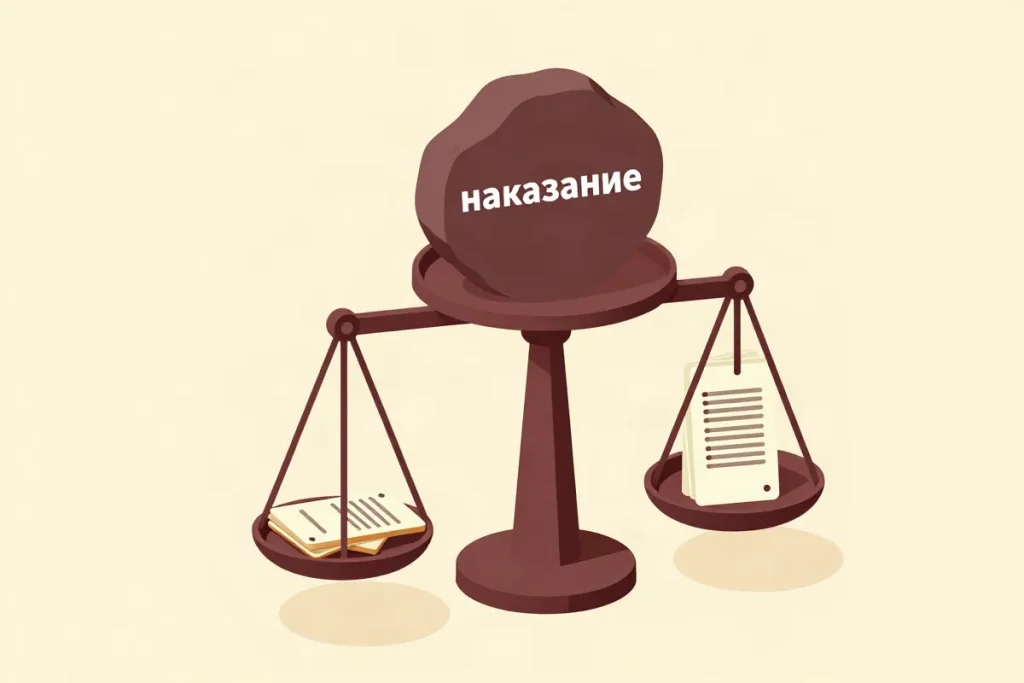
Instead of punishment, children benefit from calm boundaries, clear consequences and a conversation about how to make things right. It’s important not to humiliate or frighten them, but to explain which behavior is unacceptable and what they can do differently.
Punishment may stop unwanted behavior in the moment, but it doesn’t always teach children to manage their feelings and take responsibility for their actions. Let’s look at how to respond to misbehavior respectfully while maintaining adult rules.
| Approach | What the materials say | Limitation |
|---|---|---|
| Punishment | May increase obedience | Does not develop morality on its own |
| Physical punishment | May stop misbehavior | WHO points to psychological and physiological consequences |
| Clear boundaries | The rule and consequence are explained in advance | Limits take the child’s age into account |
| Positive reinforcement | Sincerity and effort are acknowledged | It’s important to clearly name the behavior being encouraged |
| Natural consequence | The child is allowed to experience the consequence of their action | Only if it does not create a safety risk |
- 0% No numerical assessment of punishment’s effectiveness is given in the materials provided; a percentage cannot be inferred from qualitative statements.
- 0 The source material contains no numerical data on ages, durations or frequency of punishment.
- 5 The experiences listed in the WHO material are pain, low mood, fear, anger, shame and guilt — six states in total; no reliable numerical statistics are provided.
Why doesn’t punishment teach the behavior we want?
Punishment on its own doesn’t teach children the behavior we want because it stops misbehavior without explaining what the adult considers the right thing to do. The Logoprofi website notes this in relation to physical punishment: a child may stop an unwanted action but doesn’t receive a clear cue about what to do instead.
The article “Raising Children Without Shouting or Punishment” distinguishes between obedience and moral development: punishment may increase the former, but it does not promote the latter. That means stopping misbehavior and learning an alternative are two different tasks: the instruction “don’t hit” by itself doesn’t show a child how to express anger or ask for a toy.
How to turn a prohibition into a helpful cue
- Instead of “don’t hit”: Name the behavior you want to see — for example, “ask for the toy with words.” That way, the child hears not just the boundary but a specific alternative.
- Instead of “don’t throw”: Tell the child what they can do with the object, for example, “put the block on the floor.” A short instruction names an action the child can try right away.
In both examples, the adult maintains the prohibition on unwanted behavior but adds a helpful cue. Naming the action gives the child a specific skill to use in a similar situation next time; punishment alone offers no such alternative.
Why is physical punishment dangerous to a child’s health?
Physical punishment is dangerous because it causes not only pain but also serious psychological and physiological consequences. The World Health Organization discusses these in its material “Corporal Punishment of Children and Health”: a child’s experiences may include fear, anger, low mood, shame and guilt.
Physical punishment can also cause physiological stress: a sense of threat activates neural pathways. This describes possible consequences, not a numerical estimate of risk: the WHO material provided gives neither percentages nor time frames.
It’s important to distinguish between stopping unwanted behavior immediately and helping a child understand how to act appropriately. Physical punishment may stop an action, but on its own it doesn’t explain what the adult considers good behavior; instead of hitting, clearly state the boundary and acknowledge the child’s effort.
How can you set boundaries without threats or confusing prohibitions?
Set boundaries without threats or confusing prohibitions by stating a specific rule and a consequence in advance that is appropriate for the child’s age. Instead of saying “behave yourself,” describe an action the child can take, for example, “put the blocks in the box.” This makes it clear not only what they mustn’t do, but what to do instead.
The rule
For each rule, name the prohibited action and an acceptable alternative. For example: “You can’t throw toy cars; you can roll them along the floor.” Choose the wording and limits with the child’s age in mind: with a young child, you can name a specific toy and show them where to put it, rather than demanding abstract “tidiness.”
A consequence explained in advance
Discuss the consequence before a conflict, so you don’t have to come up with one while irritated. Connect it to the action and explain it in simple terms: if a toy is thrown, it will be put away temporarily; if the child doesn’t put a named toy away after a reminder, play with it will be postponed. The consequence should help the child understand the connection between their action and the rule, rather than serve as a threat.
- Rule: “Put the teddy bear on the shelf” — instead of “tidy up.”
- Consequence: Explain in advance that a toy they throw will be put away temporarily — instead of imposing sudden punishment during an argument.
When does a natural consequence help, and when doesn’t it?
A natural consequence is appropriate only if it does not threaten the child’s safety or harm their health; if there is a risk, the adult needs to stop the action right away. For example, don’t let a child continue doing something dangerous just so they can “learn a lesson”: pain and fear don’t explain how to act safely.
Babylux suggests letting children experience the consequences of their actions, but does not list suitable situations or set age thresholds. So the decision depends not on a ready-made list but on the specific risk: can the consequence be allowed without endangering the child or others?
When you need to step in first
If an action could cause an injury or other harm to health, stop it first — the explanation can wait. Afterward, you can calmly discuss what happened and reconnect with the child; don’t call the danger they experienced a lesson in good behavior.
How can you reinforce the behavior you want to see more often?
Reinforce the behavior you want to see more often with specific praise for the action and effort, not just the outcome. Summercoddy recommends noticing a child’s sincerity and effort: for example, acknowledge that they tried to stick to your agreement, even if they didn’t manage everything.
Praise helps children understand exactly which action they should repeat. Instead of a general “well done,” name what they did: “You put your toys away like we agreed,” or “You tried to wait your turn.” This makes it clearer what you’re praising them for; it’s especially important when an adult wants to reinforce a specific agreement, rather than simply get obedience.
Share successes without comparisons
Summercoddy also suggests telling loved ones about a child’s successes and showing them how proud you are. You can share a specific example: for instance, tell relatives that the child put their toys away on their own or tried to do what they promised. Keep the focus on the child’s action and effort, not on comparisons with other children.
When don’t praise and consequences work?
Praise and consequences don’t work when the child doesn’t understand what they’re being praised for or where the boundary lies: there is no one-size-fits-all approach for every child and situation. If a child breaks a prohibition they didn’t understand, punishing them again won’t explain the rule. Calmly state the boundary and immediately explain what they can do instead of the prohibited action: for example, don’t throw the toy; put it on the shelf.
What to notice and what to avoid
Praising only the result can overlook a child’s efforts. Summercoddy advises acknowledging sincerity and effort: instead of a general judgment, you can say that you noticed how hard the child tried to complete a task or that they were honest about what they did. This gives the child clear feedback about a specific action, not just an assessment of success.
- If the rule hasn’t been understood: Repeat it and name an acceptable alternative; don’t replace an explanation with another punishment.
- If the child has made an effort: Acknowledge their effort or sincerity, even if they haven’t achieved the result yet.
- If the goal is obedience: Don’t use physical punishment. WHO links it to psychological and physiological consequences, including pain and stress; stopping behavior this way is not the same as explaining what behavior you expect from a child.
Frequently asked questions
Can punishment make a child obey?
What can I say instead of “don’t do that”?
Should I praise a child’s effort if they didn’t succeed?
Why shouldn’t physical punishment be used?
Sources
- summercoddy.ru — “Should You Punish Children? How to Choose the Right Approach”
- logoprofy.ru — “Punishment and Rewards in Correcting a Child’s Behavior”
- blog.sunschool.ru — “Raising Children Without Shouting or Punishment”
- WHO — “Corporal Punishment of Children and Health”
- babylux.by — “How to Punish a Child for Bad Behavior and”
