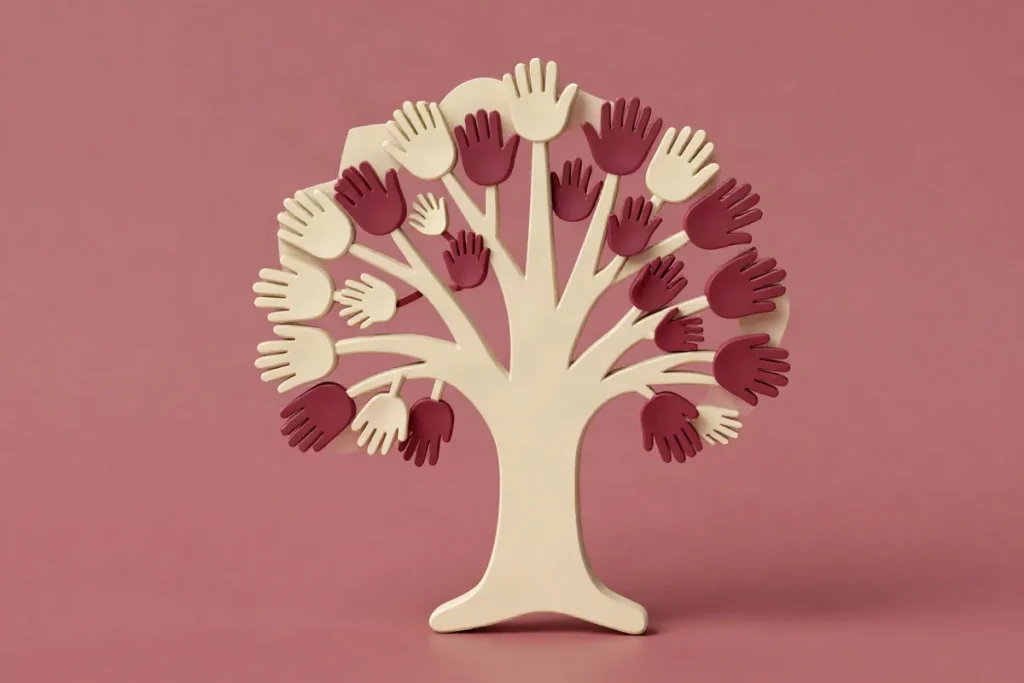
Family traditions play a key role in a child’s psychological development, providing a sense of belonging, stability, and support throughout life. In 2026, research confirms that it is regular family customs that shape emotional health, influence self-esteem, and affect a child’s behavior during childhood, adolescence, and youth. This article explores in detail how traditions impact various aspects of a child’s development and how to choose and maintain effective family rituals.
The Importance of Family Traditions for a Child’s Sense of Belonging
One of the most important effects of family traditions is strengthening the sense of belonging — a fundamental psychological need for a child. Participating in shared rituals helps the little one realize they are part of a whole, loved and accepted.
Key Mechanisms for Building Belonging
- Regularity of traditions: for example, weekly family dinners or joint walks.
- Shared holidays: New Year, Maslenitsa, birthdays with established rituals.
- Passing down family stories and legends that strengthen generational bonds.
According to experts, families that maintain traditions regularly report up to 30% higher levels of children’s emotional well-being compared to those without rituals.
Character and Value Formation through Traditions
Traditions are not just repetitive actions but a means of shaping a child’s personality. Through participation in family rituals, children learn responsibility, respect for elders, honesty, and other socially important traits.
Types of Traditions Influencing Personal Development
- Traditions of jointly solving problems and conflicts.
- Rituals of gratitude and recognition of achievements, such as family celebrations of first academic successes.
- Participation in charity events and volunteer projects organized by the family.
For example, the practice of family meetings, common in 45% of Russian families, helps teenagers express their opinions and feel heard.
The Influence of Traditions on a Child’s Emotional Health
Psychological stability and a sense of security are formed thanks to the consistency and predictability provided by family traditions. This is especially important during stressful and transitional periods, such as starting school or going through teenage crises.
How Traditions Help Manage Emotions
- Rituals of shared leisure, for example, monthly nature outings or hikes.
- Practices of family discussions about experiences and feelings.
- Traditions of support and praise, which reduce anxiety levels in children.
According to a 2026 psychologists’ review, regular participation in family rituals reduces the risk of anxiety disorders in children by 20-25%.
Tradition Features at Different Stages of Growing Up
A child’s needs change with age, and family traditions must adapt to remain effective and supportive.
Stages and Corresponding Traditions
- Preschool age: bedtime reading traditions, joint games, family breakfasts.
- Early school age: celebrating first academic successes, family hikes, collective creative projects.
- Teenage years: family evenings for discussing plans and feelings, volunteering together, support for hobbies.
In 2026, Russia launched the «Family and Traditions» program, funded by the government with a budget of about 150 million rubles, aimed at supporting and developing family rituals across various regions.
Practical Recommendations for Creating and Maintaining Family Traditions
For family traditions to truly have a positive effect, it is important to follow a few rules.
Main Criteria for Effective Traditions
- Regularity and predictability: traditions should occur at a certain frequency.
- Involvement of all family members — from the youngest to the oldest.
- Flexibility and adaptation to changes in family life and the child.
- Positive emotional atmosphere and absence of pressure.
To support family traditions in 2026, apps like «Family Rhythm» (subscription from 299 rubles per month) are popular; they help plan joint activities and track achievements.
| Model | Price (₽/month) | Features | User Rating |
|---|---|---|---|
| Family Rhythm | 299 | Planning, reminders, advice | 4.7 out of 5 |
| Tradition+ | 450 | Calendar, ritual ideas, reports | 4.5 out of 5 |
| Home Comfort | 200 | Checklists, photo albums, joint tasks | 4.3 out of 5 |
- 30% higher emotional stability levels in children from families with traditions
- 20-25% reduction in anxiety with regular rituals
- 150 million ₽ budget of the government program supporting family traditions
- 299 ₽ minimum subscription cost for a family planner in 2026
- 45% share of Russian families practicing regular family meetings
Frequently Asked Questions
How often should family traditions be held to be effective?
Can new traditions be created in an already grown family?
How do traditions affect teenagers?
What if family members have different views on traditions?
Key Takeaways
- Regular family traditions strengthen a child’s sense of belonging and emotional health.
- Traditions contribute to forming key personal qualities and values.
- Adapting traditions to the child’s age increases their effectiveness.
- Government programs and modern digital tools help maintain family rituals in 2026.
- Involvement of all family members and flexibility are important conditions for successful traditions.
Family traditions are not just a way to spend time together but a foundation on which a child’s psyche and character are built. In 2026, thanks to a comprehensive understanding of their role and modern support tools, parents can consciously create a healthy and happy family atmosphere that promotes the well-rounded development of the child at every stage of life.
Sources
- dobroserdie.com — «Family Traditions: Why They Are Important for Psychological Well-being»
- sh3.smoledu.by — «Round Table: The Importance of Family Traditions in Formation and Development»
- shkola3.berezino-asveta.gov.by — «The Role of Family Traditions in Formation and Development»
- semyarossii.ru — «The Impact of Family Traditions on Personality Formation»
- sch153.minsk.edu.by — «Topic 3 — State Educational Institution ‘Secondary School No. 153 A.K. Talaya, Minsk'»