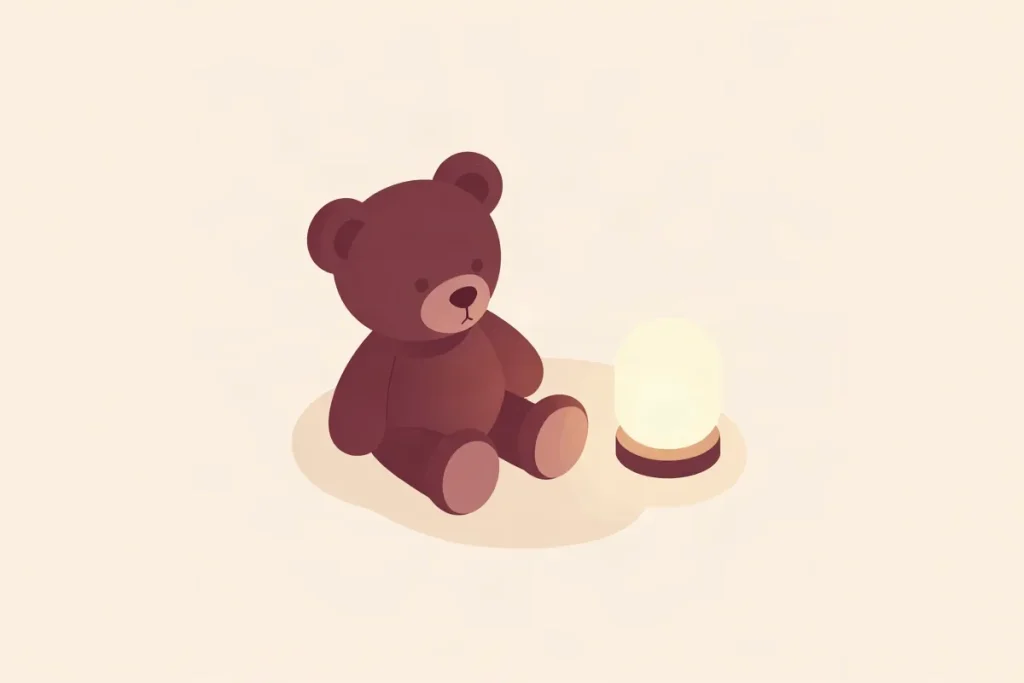
What Are Childhood Fears and Anxiety, and Why Do They Occur?
Childhood fears and anxiety are natural emotional responses that arise when children face the unknown, potentially dangerous, or stressful situations. These conditions affect about 15-20% of children aged 3 to 12 and are linked to brain development and socialization.
The causes of fears are most often biological characteristics of nervous system development combined with external factors such as family atmosphere and experience. For example, younger children may fear the dark or loud noises, while school-age children worry about academic failures and social interactions.
Main Causes of Childhood Fears and Anxiety
- Genetic predisposition – up to 30% of cases are related to heredity
- Stressful events: moving, changing kindergartens, illnesses
- Negative family behavior patterns and heightened parental anxiety
- Media and culture: scary themes in cartoons and games
How Can Parents Support Their Child During Periods of Fear and Anxiety?
Parental support during moments of childhood fear is a key factor in reducing anxiety and normalizing the child’s emotional state. It is important to remain calm and accept the child’s feelings without criticism.
Practical steps include establishing a daily routine with sufficient sleep (at least 10 hours for children aged 6–12), using gentle bedtime rituals such as reading a book or quiet conversations, which help lower anxiety levels before sleep.
Support Methods and Their Effectiveness
- Active listening and talking about fears without judgment
- Using breathing techniques or meditation together, for example, the Calm Kids app (costing around 500 rubles per month)
- Positive reinforcement for showing bravery
- Providing a safe space at home with favorite toys and belongings
| App | Price, ₽/month | Age | Features |
|---|---|---|---|
| Calm Kids | 500 | 5–12 years | Breathing techniques, stories, meditations |
| Breathe Easy | 350 | 4–10 years | Playful exercises, audio meditations |
| Mindful Playground | 700 | 6–14 years | Videos, audio, emotion diary |
What Psychological Mechanisms Underlie Childhood Anxiety?
Childhood anxiety is rooted in heightened reactivity of the brain’s limbic system, especially the amygdala, which is responsible for fear and emotional memory. In childhood, these structures are not fully developed, making threat perception more acute.
Additionally, cognitive schemas form that can reinforce negative expectations and increase anxiety. For example, children with unstable self-esteem are more likely to exhibit fears in new situations.
The Influence of Family Environment on Anxiety Development
- Children from families with high levels of conflict and stress are twice as likely to experience anxiety disorders
- Support and positive communication reduce the likelihood of pathological anxiety by 30%
- Active parental involvement in the child’s emotional development plays a critical role
When Do Childhood Fears Require Professional Help?
Fears and anxiety are considered normal if they are brief and do not interfere with the child’s daily life. When anxiety persists for more than 6 months and is accompanied by disturbances in sleep, appetite, school performance, or social interaction, specialist consultation is necessary.
Child psychotherapists, such as those at the Moscow Scientific and Practical Center for Child and Adolescent Mental Health, offer cognitive-behavioral therapy, which has proven effective in 65% of cases for treating anxiety disorders.
Signs That Require Seeing a Psychologist
- Panic attacks and frequent bouts of crying
- Refusal to attend school or kindergarten
- Obsessive thoughts and fears interfering with rest
- Physical symptoms without medical causes: headaches, stomachaches
How to Create a Safe Emotional Environment at Home for Your Child?
A safe emotional environment primarily means stability, predictability, and support. Parents can create such an atmosphere through a clear routine, open communication, and positive reinforcement.
It is important to avoid yelling and conflicts, as they increase anxiety in children. Instead, it is advisable to use positive parenting methods, such as a system of rewards and explanations of consequences.
Key Elements of a Safe Environment
- Daily routine considering sleep and nutrition
- Regular family rituals, such as shared dinners
- Open discussion of emotions without punishment
- Moderate use of gadgets and content control
- 15-20% of children experience significant anxiety
- 6 months duration of anxiety symptoms that indicate the need for psychological help
- 65% effectiveness of cognitive-behavioral therapy in children
- 10 hours recommended sleep duration for children aged 6–12
Frequently Asked Questions
How can I tell if my child’s fear has turned into an anxiety disorder?
Can I help my child manage anxiety on my own?
What toys help a child feel safer?
How does media affect childhood fears?
Key Takeaways
- Childhood fears and anxiety are normal parts of development but require attention if they persist.
- Parental support and creating a safe emotional environment reduce anxiety levels.
- Timely consultation with a specialist is necessary if symptoms last more than 6 months.
- Cognitive-behavioral therapy has proven effective in treating childhood anxiety.
- A regular sleep schedule and positive communication are key factors for a child’s emotional health.
Understanding the psychology of childhood fears and anxiety helps parents be more attentive to their child’s emotional state. Creating a supportive and stable environment tailored to the child’s individual needs promotes healthy mental development and self-confidence, which are important not only in childhood but throughout life.