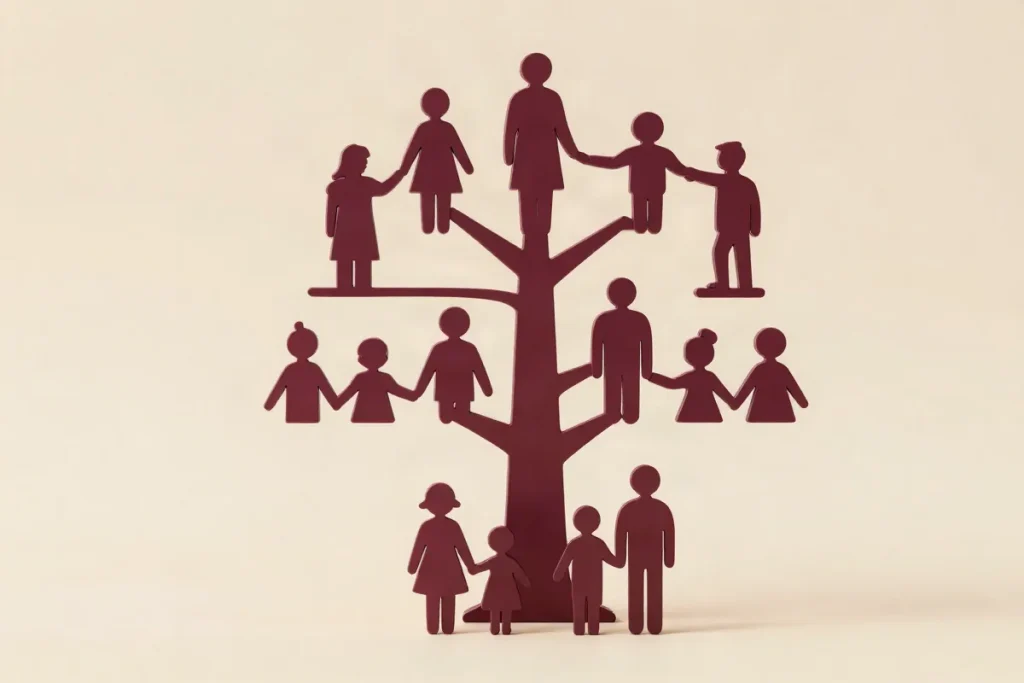
Introduction: Why Family Traditions Are Important for Child Rearing
Family traditions are stable customs and rituals that unite family members and create a sense of belonging. They play a key role in raising children by fostering the development of moral guidelines and communication skills. Even in early preschool years, participating in traditional family activities helps shape values and strengthens the emotional connection between parents and children.
Research shows that regularly observing family traditions is linked to higher levels of trust within the family and improved psycho-emotional well-being of children, which is essential for harmonious personal development.
Stages in the Formation of Family Traditions
The formation of family traditions occurs gradually, covering different periods in the life of the family and child.
Main Stages
- Origin of Traditions — at this stage, the family selects and adapts certain customs, often based on cultural or religious practices.
- Strengthening Traditions — rituals become regular, such as shared holiday dinners or bedtime story reading.
- Passing on Traditions — children learn and repeat family customs, which shapes their identity and sense of belonging.
For younger preschoolers, regular participation in creative projects related to family traditions promotes value assimilation, as confirmed by research in child psychology.
| Stage | Children’s Age | Main Mechanism | Example Tradition |
|---|---|---|---|
| Origin | 0–3 years | Selection and adaptation | Celebrating New Year with parents |
| Strengthening | 3–7 years | Regular repetition | Family Sunday lunches |
| Passing on | 7–12 years and older | Children’s participation and repetition | Preparing traditional dishes |
- 70% of young children absorb family values through participation in traditions
- 5–7 years — a key age for solidifying family rituals
The Impact of Family Traditions on a Child’s Moral Education
Family traditions shape basic moral guidelines in children. Through participating in shared activities, a child learns respect, responsibility, and empathy.
Criteria of Influence
- Frequency of Traditions — the more often they occur, the deeper the value assimilation.
- Emotional Atmosphere — positive emotions enhance memories and reinforce norms.
- Involvement of Older Generations — grandparents pass down experience and historical context.
In Yakut families, national traditions such as joint rituals and celebrations play an important role in fostering respect for elders and love for native culture.
| Factor | Impact on Child | Example |
|---|---|---|
| Frequency of Traditions | High | Annual family celebration |
| Emotional Atmosphere | Medium | Festive dinner with games |
| Involvement of Elders | High | Grandmother’s storytelling about family history |
- 85% of parents note improved child behavior with regular family traditions
- 3–4 times a month — optimal frequency for traditional events
The Role of Emotional Bonds in Reinforcing Traditions
The emotional connection between parents and children is the foundation for successful upbringing and passing on traditions. Warmth and trust within the family create favorable conditions for establishing lasting rituals.
Mechanisms for Strengthening the Bond
- Spending time together: walks, games, family evenings.
- Discussing significant events and traditions.
- Involving children in preparing and conducting traditions.
Studies show that a strong emotional bond improves a child’s social adaptation and reduces the risk of behavioral problems.
Practical Recommendations for Creating and Maintaining Family Traditions
To successfully form traditions, it is important to consider the interests of all family members and create positive experiences.
Tips for Parents
- Choose traditions that align with family values and are feasible in terms of time and resources.
- Regularly hold joint activities, such as Sunday breakfasts or reading books together.
- Involve children in planning and preparation so they feel valued.
- Use modern resources, like family planning apps or themed creative project kits.
The average cost of a family creative project kit ranges from 1500 to 3000 rubles, making it an accessible tool for strengthening traditions.
| Method | Cost, ₽ | Effectiveness | Example |
|---|---|---|---|
| Joint Creative Projects | 1500–3000 | High | Making a family photo album |
| Regular Dinners | Depends on menu | Medium | Sunday family dinner |
| Discussing Traditions | Free | Medium | Evening storytelling |
- 60% of families use creative projects to strengthen traditions
- Up to 10 hours per month — optimal time spent on rituals to maintain connection
Frequently Asked Questions
When is the best time to start forming family traditions?
How can children be involved in family traditions?
What if not all family members support the traditions?
Key Takeaways
- Family traditions develop gradually and become established between ages 3 and 7.
- Frequency and emotional atmosphere increase the effectiveness of value transmission.
- Involvement of older generations enhances the educational impact of traditions.
- A strong emotional bond between parents and children supports successful upbringing.
- Practical methods include creative projects, shared dinners, and discussing traditions.
Conclusion
Family traditions are a powerful tool in child rearing, helping to form children’s moral values and social skills, strengthening emotional bonds, and maintaining family harmony. Conscious creation and maintenance of traditions require time and effort, but the result — raising happy, confident children and strong family ties — makes it all worthwhile.
Sources
- Article in the magazine “Young Scientist” — “The Influence of Family Traditions on the Formation of Values in Young Preschool Children Through the Lens of Children’s Creative Projects”
- maam.ru — “The Influence of the Older Generation on Child Rearing. Consultation for Parents, Preschool Educators, School Teachers, and Educators — Maam.ru”
- e-koncept.ru — “The Influence of National Traditions on Child Rearing in Yakut Families”
- begemot.ai — “Family Values: Strong Bonds and Upbringing | The project’s idea is to study the influence of family values on the quality of family relationships and child rearing”
- begemot.ai — “Family and Its Values | The project helps recognize the importance of family values and develop recommendations for their preservation and transmission to new generations”