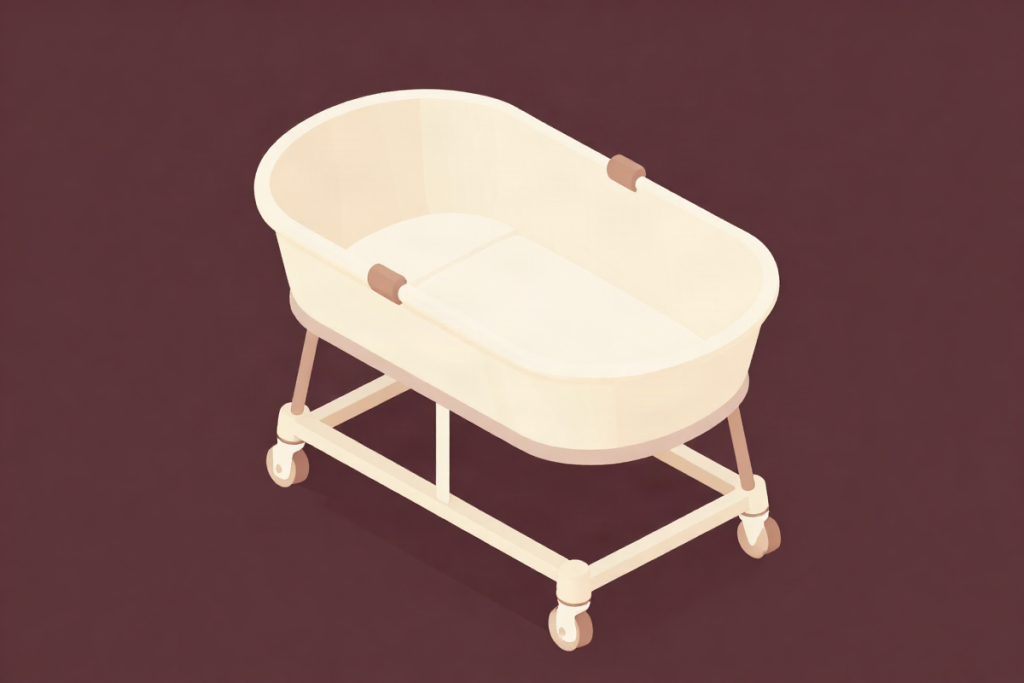
Choosing a safe crib for your newborn is one of the most important steps in preparing for the arrival of your baby. Every mother wants to ensure her child’s comfort and safety during sleep, so it’s essential to pay special attention to the details. But how do you know which crib will truly be suitable for your little one? In this article, we will discuss what to look for when selecting a safe crib, so your child can sleep soundly and peacefully.
There are numerous models and manufacturers available, but not all of them can guarantee safety and comfort. The main points to consider include materials, construction, and additional features. By learning about these, you can make an informed choice and create a safe environment for your newborn.
Key Safety Criteria
When it comes to selecting a crib for a newborn, safety should be the top priority. The first thing to pay attention to is the distance between the slats. It should not exceed 7 cm. This is important to prevent situations where a baby’s head could get stuck between the slats, which can lead to serious injuries. Additionally, the crib’s construction should be stable and reliable, without sharp corners or protruding elements that could pose a danger to the child.
You should also consider the materials used in the crib’s construction. Wood is the preferred choice, as this natural material «breathes» and creates a comfortable microclimate for sleep. It is important that the paints and adhesives used are safe and free from harmful substances. Therefore, choosing a crib made from eco-friendly materials is crucial for your baby’s safety.
A no less important step is to check for safety certificates. When purchasing a crib in a store, be sure to ask the seller to show the relevant documents. This will help you ensure that the product has passed all necessary tests and complies with modern safety standards. Remember that additional accessories, such as soft bumpers or pillows, can pose a threat to a newborn, so it’s best to avoid them.
In conclusion, when selecting a crib for a newborn, be sure to consider all the aforementioned aspects. Safety should come first, and by following these recommendations, you can provide your child with a comfortable and safe sleeping space.
Materials and Finishes
When choosing a crib for a newborn, one of the most important aspects is the material from which it is made. Preference should be given to eco-friendly and safe materials, such as natural wood. Wooden cribs are not only aesthetically pleasing but also create a favorable sleeping microclimate for the baby, as wood «breathes» and does not cause allergies. In addition, it is known for its high strength and durability, making it an ideal choice for children’s furniture.
However, even when choosing a wooden crib, it is important to pay attention to the finish. Make sure that all coatings are safe and do not contain toxic substances. Some manufacturers may use varnishes and paints that emit harmful fumes, which can negatively affect the child’s health. The best option would be to choose a crib finished with safe water-based paints or oils that have no strong odor and do not contain volatile organic compounds.
Also, when selecting a crib, check for safety certificates. This will give you confidence that the product has passed the necessary tests and meets all standards. Don’t forget to check the distance between the slats — it should not exceed 7 cm to avoid the risk of the baby’s head getting stuck. It is essential that the design is thought out in such a way as to prevent the possibility of the child falling out of the crib, for example, by having a raising side rail.
When purchasing a crib, avoid additional accessories such as pillows, soft bumpers, and toys that could pose a risk to the baby’s life and health. Remember that your child’s safety is a priority, and the right crib choice will help create a safe and comfortable space for their sleep.
Types of Cribs
When selecting a crib for a newborn, it is important to consider the different types of models, each of which has its own advantages and disadvantages. Classic wooden cribs remain the most popular due to their reliability and strength. They create a healthy sleeping microclimate for the child by using natural material. It is important that the distance between the slats does not exceed 7 cm to eliminate the possibility of the baby’s head getting stuck. Also, pay attention to the presence of safety certificates confirming that the material is free from toxins and harmful substances.
Models with adjustable mattress heights offer additional conveniences. They allow you to change the height of the sleeping area as the child grows, making it easier to lay down and pick up the baby from the crib. This is particularly relevant in the first months of life when the infant cannot yet sit up or stand on their own. The adjustable height helps avoid unnecessary strain and makes caring for the baby more comfortable for parents.
If you are looking for a mobile solution, consider rocking cribs. These models not only help lull the baby but are also easily moved around the room. This allows you to place the crib in different corners of the apartment depending on your needs and plans for the day. However, keep in mind that such cribs may require more caution during use to avoid accidental tipping.
Stationary cribs, on the other hand, provide greater stability and safety, which is especially important in the first months of life. Transformable models, which can turn into larger sleeping spaces as the child grows, become an excellent choice for long-term use. They can serve as a crib for a newborn and then adapt to the needs of the child as they grow older.
When choosing a crib, it is important to consider not only the appearance but also functionality, safety, and ease of use. The right choice will help create a comfortable and safe environment for your little one.
Additional Features
Additional features of a crib for a newborn can significantly enhance its functionality and ease of use. When selecting, it is essential to pay attention to several key aspects.
Firstly, the presence of an adjustable base is an important criterion for the comfort of both the baby and the parents. An adjustable base allows you to change the height of the sleeping area as the child grows, making it easier to lay down and lift the baby from the crib. This is especially relevant in the first months of life when parents frequently pick the child up.
You should also consider the possibility of installing wheels on the crib. This will allow you to easily move it around the room, which is particularly convenient if you plan to shift the crib to different parts of the house. The wheels should be reliable and lockable to ensure safety when the crib is stationary.
Equally important is the fall protection feature. Ensure that the crib has additional bumpers or barriers that will prevent the baby from accidentally falling. The height of the bumpers should be sufficient so that the child cannot climb out of the crib, but not so high that parents struggle to reach the baby.
Also, pay attention to any additional accessories that the manufacturer may provide. These can include built-in drawers for storing baby items or special support pillows that may be useful. However, be cautious: extra elements should not threaten the child’s safety, so it’s better to choose simple and functional models.
So, when selecting a crib for a newborn, don’t forget about the additional features that can make its use more convenient and safe.
Proper Placement of the Crib
When choosing a location for your newborn’s crib, it is important to consider several factors to ensure maximum safety and comfort. First, the crib should be placed a safe distance from windows. This will protect the baby from drafts and falls, especially if the windows are open. Additionally, avoid placing the crib near electrical outlets and other potentially dangerous objects. Ideally, the crib should be located in the center of the room, where it can be easily accessed.
You should also pay attention to heat sources, such as radiators or heaters. Placing the crib too close to them can lead to overheating and accidents. The optimal room temperature for a sleeping baby is around 20 degrees Celsius. Ensure there is adequate distance between the crib and heat sources to avoid overheating.
Another important aspect is ventilation. The room where the crib is located should be well-ventilated. Fresh air is essential for the baby’s comfortable sleep and to prevent the buildup of carbon dioxide. Consider having a window that can be opened frequently or using a fan to improve air circulation. Remember that strong drafts can also be harmful to the baby’s health, so it’s important to strike a balance.
Additionally, check that there are no small items or accessories in the room that could threaten the baby’s safety. All toys and bedding should be safe and appropriate for your child’s age. By following these simple recommendations, you can create a safe and comfortable space for your newborn.
Choosing Bedding
Choosing bedding for your newborn is an important aspect that directly affects the baby’s safety and comfort. First of all, you need to pay attention to the mattress. It should fit the crib perfectly and meet safety standards. It is recommended to choose medium-firm mattresses to provide proper support for the developing spine of the child. You should also consider that the mattress should be made from hypoallergenic materials to avoid potential allergic reactions.
When selecting pillows and blankets, it is better to choose soft but not overly bulky items. Pillows are usually not recommended for newborns as they can pose a suffocation risk. Instead, it is better to use special blankets or wraps that provide warmth without creating danger. The blankets should be lightweight and breathable to ensure an optimal microclimate during sleep.
It is important to avoid using additional accessories that could threaten the baby’s safety. These can include soft toys, bumper pads, or pillows that might lead to suffocation or other injuries. It is best to choose simple and functional bedding that focuses on safety. Also, ensure that there are no extra items in the crib that could distract or disturb the baby while sleeping.
- The mattress should fit the crib and be medium-firm.
- Choose lightweight and breathable blankets, avoiding overly bulky items.
- Avoid soft toys and pillows in the crib.
- Ensure that all materials are hypoallergenic and safe for the child.
By following these simple recommendations, you can create a safe and comfortable space for your newborn, positively impacting their health and development.
Buying and Checking
When purchasing a crib for your newborn, it is important to focus on several key aspects to ensure the baby’s safety and comfort. First of all, always check the crib for defects. Pay attention to the quality of the materials used in its production. The crib should be sturdy and free of sharp corners or rough edges that could injure the child. Also, check that the distance between the slats does not exceed 7 cm. This will prevent the possibility of the baby’s head getting stuck.
Don’t forget to request certificates and documents from the seller that confirm the safety of the chosen model. Responsible manufacturers care about the quality of their products and are always ready to provide all necessary information. The presence of safety certificates guarantees that the crib has passed all required tests and meets modern standards. If the seller does not have such documents, it is better to refuse the purchase and consider other options.
When selecting a crib, also familiarize yourself with reviews from other parents and experts. Explore opinions about the chosen model on specialized forums and social media. This will help you form a complete picture of its advantages and disadvantages, as well as learn about potential problems that other users have faced. Pay attention to reviews regarding the quality of materials and the durability of the product.
In conclusion, avoid purchasing cribs with excessive accessories that could threaten the child’s life and health. Simplicity and functionality should be prioritized. By following these recommendations, you will be able to choose a safe and convenient crib for your newborn, creating comfortable conditions for their sleep and development.
Crib Maintenance
Maintaining the crib plays an important role in ensuring your baby’s safety and comfort. Regularly checking the condition of the crib will allow you to promptly identify any signs of wear or damage. Look for cracks, chips, or loose parts that could pose a danger to the child. If you notice any defects, it is recommended to promptly fix them or replace the crib.
Keeping the crib clean is also extremely important. Use only child-safe cleaning products to avoid negatively affecting your baby’s health with harmful chemicals. This is especially relevant for newborns, who have sensitive skin and immune systems. Regularly wipe down the surfaces of the crib, paying special attention to corners and areas where dust and dirt can accumulate.
Additionally, check the functionality of all mechanisms and fasteners. Make sure that the raising side rails operate smoothly and that all connections are secure. This will help prevent accidents and ensure a safe sleep for your child. It is important to remember that crib safety starts with proper maintenance and regular checks of its condition.
To ease crib maintenance, follow these recommendations:
- Conduct a visual inspection of the crib at least once a week.
- Use soft but effective cleaning agents, avoiding aggressive chemicals.
- Regularly check all mechanisms and fasteners for functionality.
- Don’t forget about safety: ensure that the distance between the slats does not exceed 7 cm.
Thus, adhering to simple crib maintenance rules not only prolongs its lifespan but also creates a safe environment for your baby.
Frequently Asked Questions
What is the safe distance between the slats?
What materials are best for a crib?
Should I check for certificates when buying?
Key Takeaways
- Ensure the crib’s safety before purchasing.
- Select eco-friendly materials.
- Regularly check the crib’s condition after purchase.