Introduction: Why Choosing Toys Matters in 2026
Choosing children’s toys is not just a purchase for entertainment. In 2026, parents are paying increasing attention to the safety of materials and their impact on child development. Safety is confirmed by compliance with GOST R 52196-2003 and European standards EN 71, while developmental value comes from opportunities for motor skills and cognitive growth. The right choice helps avoid allergies and injuries and stimulates intellectual and emotional development from the very first months of life.
Materials: From Plastic to Natural Wood
The most important criterion when choosing toys is the material they are made from. In 2026, more and more manufacturers are switching to eco-friendly and safe materials to reduce the risks of toxicity and allergies. According to a study by the Institute of Hygiene and Child Health Protection, 18% of toys on the Russian market in 2025 contained banned substances, so it is important to choose trusted brands and materials.
Popular Materials and Their Characteristics
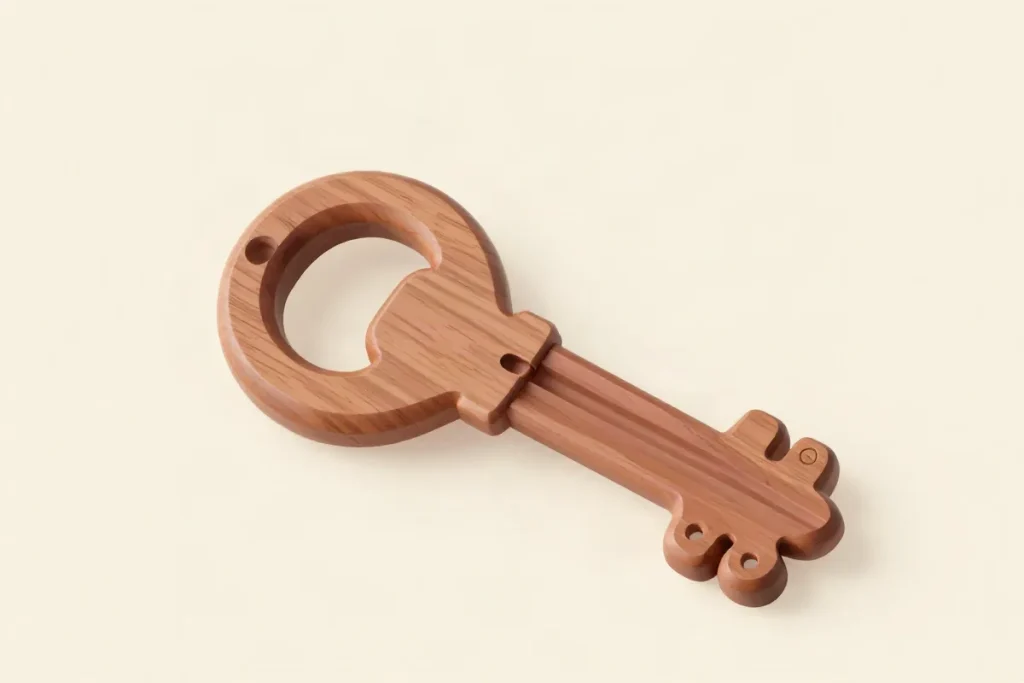
- Natural wood — environmentally friendly, durable, non-toxic; average price of wooden toys ranges from 1200 to 3500 ₽.
- Safe plastics (PP, PET) — lightweight, sturdy, compliant with EN 71 standard; toys priced between 500 and 2000 ₽.
- Textiles — soft, hypoallergenic, suitable for newborns; prices start at 700 ₽ for high-quality models.
- Silicone — safe for teething, dishwasher safe; prices from 800 ₽.
Top brands of 2026, such as Hape (Germany) and PlanToys (Thailand), use certified wood and water-based paints, while the Russian company “Derevyashka” offers eco-friendly sets with conformity certificates.
| Material | Safety | Average Price, ₽ | Service Life, months |
|---|---|---|---|
| Natural wood | High, non-toxic | 1200–3500 | 36+ |
| Safe plastic | Medium, meets EN 71 | 500–2000 | 24–30 |
| Textile | Hypoallergenic | 700+ | 12–18 |
| Silicone | Safe for teethers | 800+ | 18–24 |
Safety: Standards and Key Criteria
Safety is the number one priority when choosing toys for little ones. In Russia, GOST R 52196-2003 and the Customs Union Technical Regulation TR CU 008/2011 «On Toy Safety» are in effect, setting requirements for strength, absence of sharp parts, and toxic substances.
Key Safety Parameters
- No small parts — to prevent choking hazards, toys for children under three must not contain parts smaller than 3 cm.
- Non-toxic materials — paints and plastics must be certified and free from lead, phthalates, and formaldehyde.
- Durability and stability — toys must withstand a force of at least 20 N without breaking.
- Easy to clean — hygiene is especially important for children under one year.
Modern models from Fisher-Price come with ASTM F963 and EN 71 certifications, confirming their international safety standards. The average price for such toys in 2026 starts at 1500 ₽.
- 98% of toys on the Russian market have confirmed safety certificates
- 3 cm minimum size for small parts in toys for children under 3 years
- 20 N minimum toy strength according to standards
- from 1500 ₽ average price of certified developmental toys
Child Development: How Toys Influence Skills
Toys are not only for fun but also an important developmental tool. In 2026, early development experts recommend choosing toys that stimulate motor skills, cognitive abilities, and social skills. For example, construction sets, educational games, and musical instruments help develop different areas of the brain.
Types of Developmental Toys
- Motor skills: blocks, stacking rings, sorters — develop fine motor skills; prices start at 1200 ₽.
- Cognitive skills: puzzles, educational tablets, books with tactile elements — support logical thinking; from 1500 ₽.
- Social development: dolls, soft toys, role-play sets — help build empathy and communication; from 1000 ₽.
A 2025 study by the University of Child Development (Saint Petersburg) showed that children who play with developmental toys for at least 30 minutes a day acquire speech skills 25% faster and improve memory.
Popular Brands and Models of 2026
The toy selection in 2026 is vast, but several trusted brands stand out for combining safety, quality, and developmental value.
Ranking by Price and Functionality
| Brand | Model | Price, ₽ | Age | Main Features |
|---|---|---|---|---|
| Hape | Sorter «Fun Shapes» | 1300 | 1–3 years | Motor skills, logic |
| Fisher-Price | Educational tablet «Smarty» | 2100 | 2–4 years | Cognitive skills, sound |
| PlanToys | Constructor «Eco-City» | 3500 | 3–5 years | Motor skills, creativity |
When choosing, pay attention to age recommendations and certification — these guarantee quality and safety.
Frequently Asked Questions
Which toy materials are considered completely safe for toddlers?
How can I check if a toy has safety certifications?
Which toys best develop fine motor skills?
Is it advisable to buy electronic toys for children under 2 years old?
Key Takeaways
- Choose toys made from natural wood and certified plastics with confirmed safety standards.
- Pay attention to the absence of small and sharp parts, especially for children under 3 years.
- Developmental toys stimulate motor, cognitive, and social skills — select them according to age.
- Top brands in 2026 — Hape, Fisher-Price, PlanToys — combine quality and safety.
- GOST R 52196-2003 and EN 71 certifications are essential signs of a trustworthy toy.
Conclusion
In 2026, choosing children’s toys should be based on the safety of materials and their ability to support the child’s comprehensive development. Modern standards and certifications allow parents to be confident in their purchases, while a variety of eco-friendly and developmental toys help create the optimal environment for growth and learning. Remember, a toy is not just a plaything but an important element of a child’s upbringing and health.