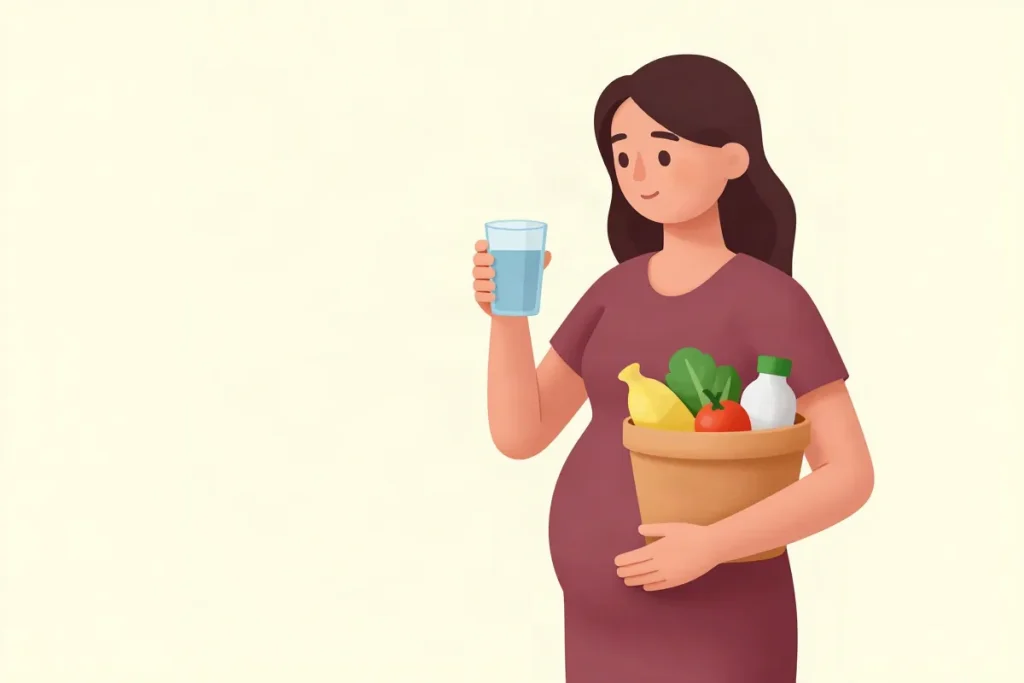
What Is Morning Sickness in the First Trimester of Pregnancy and Why Does It Occur?
Morning sickness in the first trimester is a set of symptoms including nausea, vomiting, fatigue, and loss of appetite, experienced by 50–80% of pregnant women during the first 12–14 weeks.
The causes of morning sickness are thought to be hormonal changes, particularly the sharp rise in human chorionic gonadotropin (hCG), as well as the body’s adaptation to the new physiological demands. According to medical data, hCG levels peak around weeks 9–12, which coincides with the maximum severity of morning sickness symptoms.
Main causes of morning sickness:
- Increase in hCG hormone levels;
- Changes in gastrointestinal tract function;
- Psychological stress and heightened body sensitivity;
- Genetic predisposition and immune system characteristics.
Which Symptoms of Morning Sickness Are Normal, and When Is Medical Help Needed?
Mild morning sickness presents as nausea and occasional vomiting that does not significantly affect the woman’s overall condition or weight. These symptoms usually resolve on their own by weeks 12–14 of pregnancy.
However, if vomiting occurs more than 4–5 times a day, is accompanied by dehydration, weight loss exceeding 5% of body mass, or electrolyte imbalances, urgent medical attention is necessary. This severe form is called hyperemesis gravidarum and affects approximately 0.3–0.5% of pregnant women.
Signs indicating a need for medical consultation:
- Frequent persistent vomiting (more than 5 times daily);
- Dehydration and dry mucous membranes;
- Weight loss exceeding 3–5 kg in a short period;
- Weakness, dizziness, blood pressure dropping below 100/60 mm Hg;
- Kidney dysfunction and electrolyte imbalance.
What Methods Help Relieve Morning Sickness Symptoms Safely for Mom and Baby?
Relief from mild morning sickness is achieved through proper nutrition and daily routine. Frequent small meals 5–6 times a day are recommended, avoiding fatty and spicy foods, and consuming foods rich in B vitamins and magnesium.
Fresh air walks and adequate rest are also beneficial. Medications are prescribed only when indicated and under doctor supervision.
Effective tips for easing morning sickness:
- Daily intake of ginger tea (up to 2 cups per day);
- Use of prenatal vitamin complexes, such as Elevit Pronatal (cost around 1200 ₽ for a 30-day supply);
- Avoidance of strong odors and regular room ventilation;
- Drinking clean water in small sips (at least 1.5 liters daily);
- Light protein-rich snacks (yogurt, cottage cheese).
How Does Diet Affect Morning Sickness Symptoms and Which Foods Are Best?
Diet plays a key role in managing morning sickness: it should support the body and reduce symptoms. It is recommended to include easily digestible foods that are low in fat and moderate in fiber.
Food temperature is also important — very hot or cold dishes can worsen nausea.
Recommended foods for morning sickness:
- Boiled potatoes and rice;
- Lean meat and fish (chicken, cod);
- Fresh low-acid fruits, such as bananas and pears;
- Dairy products (kefir, natural yogurt without additives);
- White bread rusks or crackers.
| Food | Likelihood of Increasing Nausea | Caloric Value (kcal per 100 g) |
|---|---|---|
| Fatty fish (salmon) | Medium | 210 |
| Boiled potatoes | Low | 80 |
| Fresh bananas | Low | 90 |
| Dairy products | Low | 50–70 |
| Fatty meat | High | 250 |
When and How Should You See a Doctor for First Trimester Morning Sickness?
Seeing a doctor is essential if symptoms worsen, general condition declines, or severe morning sickness is suspected. An obstetrician-gynecologist consultation will help assess the condition and prescribe treatment, including electrolyte correction and medication therapy.
In Russia, women have the right to free care at maternity clinics, where they can get support and advice on diet and routine. In severe cases, hospitalization for 7–10 days for infusion therapy may be required.
Main reasons to visit a doctor:
- Weight loss exceeding 5% of initial body weight;
- Frequent vomiting more than 4 times daily;
- Signs of dehydration and weakness;
- Presence of blood in vomit;
- No improvement after home remedies within more than 3 days.
- 50–80% of pregnant women experience morning sickness in the first trimester
- 12–14 weeks is the average duration of morning sickness symptoms
- 0.3–0.5% of women require hospitalization due to severe morning sickness
- 1200 ₽ is the average price of a prenatal vitamin complex for one month
- 1.5 L of water should be consumed daily to maintain hydration
Frequently Asked Questions
Can I take medication for morning sickness without consulting a doctor?
When is morning sickness considered normal and not requiring treatment?
Which foods best help reduce nausea?
How long does morning sickness usually last in pregnant women?
Key Takeaways
- First trimester morning sickness is common and caused by hormonal changes.
- Mild cases resolve on their own by weeks 12–14 without medication.
- Proper diet and routine help ease symptoms safely.
- Severe symptoms require medical attention to prevent complications.
- Maintaining hydration and taking vitamins are important for mother and baby’s health.
Morning sickness in the first trimester is a natural response to the start of pregnancy and, with a sensible approach to diet and routine, poses no threat. It is important to monitor your condition carefully, follow professional advice, and seek timely help if needed to protect the health of both mother and future child.
Sources
- gemotest.ru — «Morning Sickness During Pregnancy: What It Is, Signs, When It Starts»
- docmed.ru — «Morning Sickness: How to Help Yourself and What to Eat? — DocMed»
- bullfinch.by — «Early Pregnancy Morning Sickness: What to Do»
- smclinic.ru — «Early Pregnancy Morning Sickness — SM Clinic»
- tula.fomin-clinic.ru — «Nausea and Morning Sickness During Pregnancy: How to Treat and When»