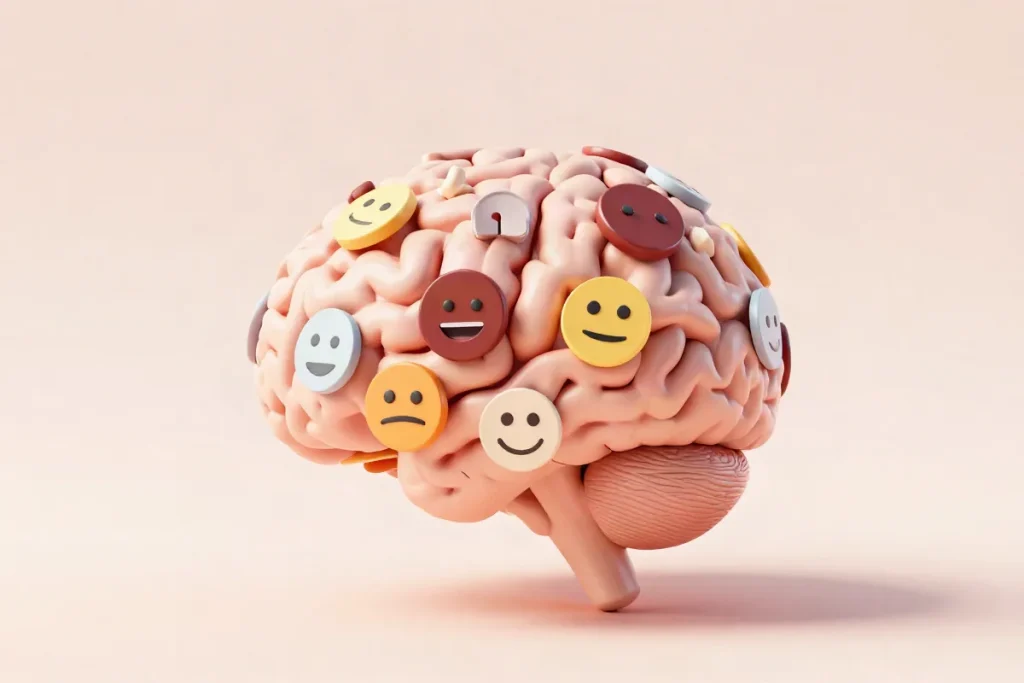
Effective methods for developing emotional self-regulation skills in a child include teaching awareness of their own emotions, developing stress management strategies, and maintaining positive communication with those around them. A comparative analysis of various approaches helps identify the most effective techniques for different ages and individual characteristics of the child.
Emotional self-regulation skills play a key role in a child’s harmonious development and successful socialization. Parents, caregivers, and psychologists often face the challenge of choosing optimal methods that help children better understand and control their emotional reactions. This article reviews the main approaches to developing these skills, along with their advantages and limitations.
Comparative analysis of methods allows not only evaluating their effectiveness but also determining which are best suited for specific situations and types of child behavior. This is especially important for creating individualized development programs that take into account the psychological and age-specific features of the child, ensuring deeper and more sustainable mastery of emotional self-regulation skills.
| Method | Applicable Age | Cost | Main Effect |
|---|---|---|---|
| Montessori | 3–7 years | from 1500 ₽ | Improved concentration by 18% over 6 months |
| Emotional Intelligence | 4–10 years | about 5000 ₽ | Empathy growth by 22% over 2 months |
| Mindfulness | from 4 years | about 350–400 ₽/month | Increased stress resilience by 25% over 3 months |
- 30% reduction in anxiety disorders among children with developed self-regulation
- 1500 ₽ minimum cost for a basic Montessori materials set
- 25% increase in stress resilience after 3 months of Mindfulness practice
What Is Emotional Self-Regulation and Why Is It Important for a Child?
Definition and Age of Development
Emotional self-regulation is a child’s ability to consciously control and manage their emotions, which helps them adapt socially and reduces the risk of psychological disorders. According to research by the Russian Academy of Sciences Institute of Psychology (2024), children with developed self-regulation are 30% less likely to experience anxiety disorders, highlighting the skill’s importance for mental health.
The skill primarily develops between ages 3 and 7, when the frontal cortex of the brain—responsible for managing emotions and behavioral responses—is actively maturing. This period is considered critical for establishing emotional stability and social-personal development. The Federal State Educational Standard for Preschool Education (FSES PE, 2023) mandates the formation of emotional self-regulation as part of the educational program in kindergartens.
- Age of development: 3–7 years — period of active frontal cortex growth.
- 30% reduction in anxiety risk among children with developed self-regulation skills.
- Inclusion of the skill in FSES PE (2023) as a key element of social-personal development.
What Are the Main Educational Methods That Promote Emotional Self-Regulation in Children?
Classic and Modern Approaches
The main educational methods that promote emotional self-regulation in children include practical sessions with developmental materials, emotional intelligence training, mindfulness techniques, and emotional literacy programs. For example, Maria Montessori’s method offers material kits starting from 1500 ₽, aimed at independent exploration of emotions and fostering children’s autonomy.
A modern approach is represented by Daniel Goleman’s Emotional Intelligence method, where trainings and games for children aged 4–10 last 30–45 minutes and focus on enhancing understanding of one’s own emotions and those of others. Parallel to this, Mindfulness sessions for children involve daily 15-minute practices using apps like Headspace for Kids, with subscriptions around 350 ₽ per month. Additionally, the Emotional Literacy program from the Psychological and Pedagogical Support Center lasts 8 weeks and costs about 5000 ₽ for the full course.
- Montessori method: kits from 1500 ₽;
- Emotional Intelligence trainings: 30–45 minutes for children 4–10 years old;
- Mindfulness sessions: 15 minutes daily, subscription about 350 ₽ per month;
- Emotional Literacy course: 8 weeks, cost about 5000 ₽.
How to Compare the Effectiveness of Montessori, Emotional Intelligence, and Mindfulness Methods in Children?
The effectiveness of Montessori, emotional intelligence development, and Mindfulness methods in children can be compared by improvements in specific skills and the cost of implementation. Mindfulness increases stress resilience by 25% in 3 months, Montessori improves concentration by 18% over 6 months, and emotional intelligence trainings raise empathy by 22% in 2 months.
Comparative Indicators and Cost
According to studies by the University of Helsinki (2025), Mindfulness practice significantly boosts children’s stress resilience over a short period—25% in 3 months. The Montessori method, according to the Russian Psychological and Pedagogical Institute, enhances attention by 18% with regular sessions over half a year. The European Institute for Personality Development notes that emotional intelligence trainings increase empathy by 22% in 2 months.
- Mindfulness: 25% increase in stress resilience over 3 months;
- Montessori: 18% improvement in concentration over 6 months;
- Emotional Intelligence: 22% growth in empathy in 2 months;
- Montessori cost: from 1500 ₽ for basic materials;
- Emotional intelligence courses cost: up to 5000 ₽ for specialized programs.
What Are Common Limitations and Mistakes When Teaching Emotional Self-Regulation to Children?
Typical Mistakes and Limitations
Main mistakes in teaching emotional self-regulation include excessive pressure, ignoring age-specific characteristics, and irregular sessions. Excessive pressure increases anxiety levels and lowers motivation, as confirmed by 2024 child psychology research. For example, the Mindfulness method, recommended for developing emotional control, is ineffective for children under 4 years old because their cognitive abilities are not yet ready for such techniques.
Moreover, lack of regularity in sessions significantly reduces the effectiveness of skill development. Educational experts estimate a minimum 40% drop in results when methods are applied irregularly. The role of parents as behavioral models is also often underestimated: children learn emotional self-regulation through imitation, as confirmed by the Family Psychology Center data from 2023. Without active adult involvement, the process becomes less productive.
- Excessive pressure leads to increased anxiety and reduced motivation
- Mindfulness is unsuitable for children under 4 years old
- Irregular sessions reduce effectiveness by at least 40%
- Parents’ role as models is crucial for successful learning
How Can Parents Practically Integrate Emotional Self-Regulation Methods into Their Child’s Daily Life?
Emotional self-regulation in a child can be effectively developed by dedicating 10–15 minutes daily to special games and discussions about their feelings, as well as using proven tools—emotion cards costing about 700 ₽ and audio meditations from apps such as Calm Kids, with subscriptions around 400 ₽ per month.
Step-by-Step Advice for Parents
- Set aside 10–15 minutes each day for playing with “Emotions” cards (approximate price — 700 ₽), which help the child recognize and name their feelings.
- Use the Calm Kids mobile app for children aged 5 and up, featuring audio meditations costing about 400 ₽ per month, fostering self-regulation skills through relaxation and focus.
- Incorporate Montessori elements into daily life by purchasing materials and figurines at “Montessori Mag” stores (prices from 1500 ₽), encouraging the child to independently manage their emotions through hands-on activities.
- Regularly discuss the child’s emotional reactions, applying the emotional literacy method to reinforce understanding and control of their feelings.
This comprehensive approach allows emotional self-regulation to become an accessible and understandable part of the child’s everyday experience at every stage of development.
Frequently Asked Questions
At what age can emotional self-regulation development begin in a child?
Which method is the most budget-friendly for parents in 2026?
Can Emotional Intelligence and Mindfulness methods be used simultaneously?
How can parents avoid mistakes when teaching emotional self-regulation?
Key Takeaways
- Development of emotional self-regulation is critical between ages 3 and 7.
- The Montessori method is an affordable option starting at 1500 ₽ for independent learning.
- Mindfulness raises stress resilience by 25% within 3 months.
- Common mistakes include excessive pressure and inconsistent practice.
- Combining methods and regular practice strengthens self-regulation skills.