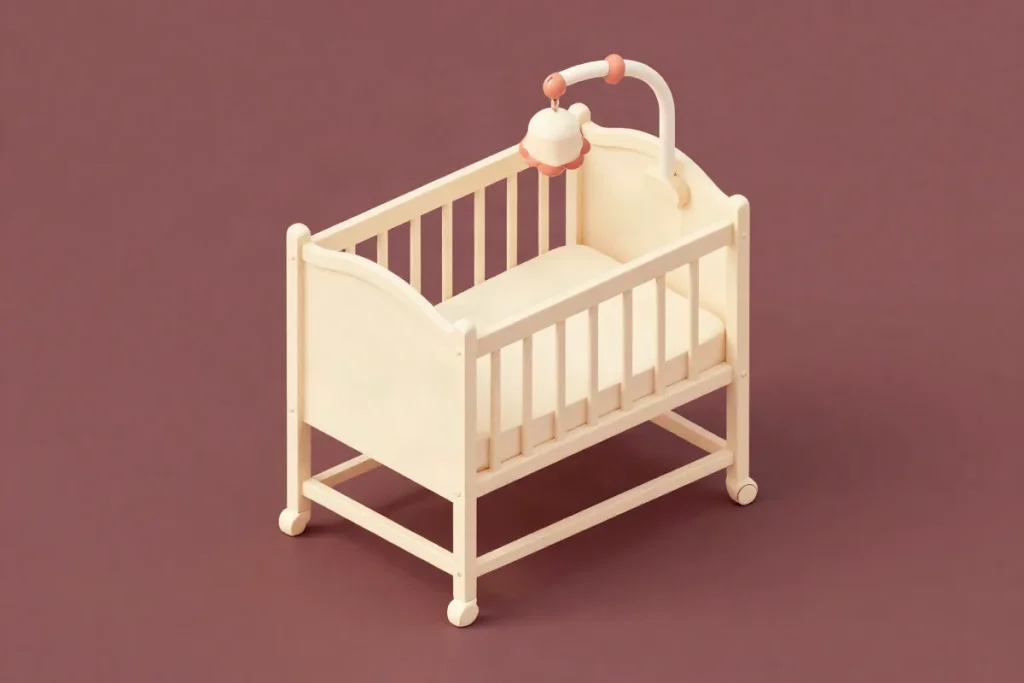
A newborn baby goes through several key stages of development that include physical, cognitive, and emotional changes, with emotional needs tied to safety, attention, and parental support. Understanding these processes helps create optimal conditions for the baby’s harmonious growth.
Each stage of a newborn’s development is accompanied by the formation of new skills and responses, and emotional needs play an important role in adapting to the world around them. It is crucial for parents to know how to support their child at each stage to promote health and well-being.
In this article, we will take a detailed look at the main stages of newborn development and their emotional needs to help parents better understand their baby. For a broader understanding of care, health, and child development, we recommend our overview «Newborns: A Comprehensive Guide to Baby Care, Health, and Development.» For more on psychology and parenting, see our analysis «Emotional Development of the Baby in the First Months of Life.»
| Model | Price (₽) | Age Group | Main Function |
|---|---|---|---|
| Fisher-Price Musical Mobile | 1500–2000 | 0–6 months | Sound and visual stimulation |
| Tiny Love Developmental Play Mat | 2500–3000 | 0–12 months | Physical and tactile stimulation |
| Philips Avent Night Light SCF371/20 | 1800 | 0+ | Creating comfortable sleep lighting |
- 3.3 kg average newborn birth weight
- 14–17 hours normal daily sleep duration for newborns in the first months
- 6.6 kg approximate baby weight at 6 months (doubling of birth weight)
- 15 minutes minimum recommended daily interaction time with baby
What Physical Developmental Stages Do Newborns Go Through in the First Three Months?
In the first three months, newborns go through key physical developmental stages, including noticeable weight gain and growth, as well as gradual development of motor skills and fading of primitive reflexes. These changes indicate normal neurological and physical development of the baby.
Weight and Growth
In the first month, the average newborn weight is about 3.3 kg, with length increasing roughly 2.5 cm per month. By the third month, babies begin to have better head control, which aligns with the World Health Organization’s 2026 motor development standards. These parameters reflect the growth dynamics and strengthening of neck and back muscles important for further development.
Neurological Reflexes
- The Moro reflex, typical for newborns, usually disappears by 2 months, considered a key sign of normal neurological development.
- Average sleep in the first three months ranges from 14 to 17 hours per day, important for nervous system recovery and maturation.
How to Recognize and Support the Emotional Needs of a Newborn?
The Importance of Contact
The emotional needs of a newborn are recognized through their reaction to eye contact and parental vocal interaction, which directly supports brain development. The American Academy of Pediatrics in 2026 emphasizes that at least 15 minutes of daily communication fosters secure attachment and reduces stress. Frequent breastfeeding and physical contact lower cortisol levels, the stress hormone, providing the baby emotional comfort.
Toys and Stimulation
To develop tactile sensations and emotional engagement, it is recommended to use soft toys, such as models by Fisher-Price costing from 1500 ₽. These toys help the baby better perceive the surrounding world and form positive associations through touch and play. It is important to choose toys with safety certifications to avoid harming the infant’s health.
- At least 15 minutes of daily interaction to build attachment
- Fisher-Price toys from 1500 ₽ for tactile stimulation
- Frequent breastfeeding reduces cortisol levels in infants
- Eye contact and vocal interaction promote brain development
What Should a Newborn Be Able to Do by Six Months in Terms of Development and Emotional Behavior?
Physical Achievements
By six months, the baby’s weight typically doubles to about 6.6 kg, indicating healthy physical development. During this period, the baby actively acquires new motor skills: confidently holds the head, begins rolling over from back to stomach independently, and sits with support. To stimulate these skills, parents are advised to use developmental play mats costing from 2500 ₽, such as the «Tiny Love Gymini» or «Fisher-Price Deluxe Play Mat» models, which promote coordination and fine motor skills.
Social Development
By six months, 85% of children display social smiles and first vocal communication attempts, according to research from the Moscow Institute of Child Psychology (2026). At this time, babies begin to recognize familiar people, showing clear preference for parents and close relatives. Parents can support emotional development by regularly interacting with the baby through smiles, gentle words, and play, which builds a strong emotional bond and fosters trust.
What Are the Most Common Mistakes in Emotional Support of Newborns and How to Avoid Them?
Feeding and Sleep
A common mistake in emotional support is overfeeding, which leads to sleep disturbances and increased irritability. Pediatric practice in 2026 shows that 30% of infants with excessive feeding experience sleep problems lasting less than 12 hours per day. This is due to discomfort caused by overeating disrupting natural sleep rhythms. It is important to follow recommended feeding volumes, for example, using adapted formulas according to the manufacturer’s instructions, such as Nutrilon 1, which typically costs 500–600 rubles per 400 g can.
Environment and Toys
Lack of tactile contact and communication with the newborn can lead to delays in emotional development, as noted in the World Health Organization’s infant care recommendations. Moreover, the use of loud electronic devices in the baby’s room disrupts concentration and causes stress. Recommended noise levels should not exceed 30 dB, whereas modern mobiles often produce sounds from 50 dB and above. Improper toy choices—too small or noisy—increase the risk of injury and fatigue; for example, plastic toys smaller than 3 cm are dangerous for children under one year, and noise toys above 70 dB should be excluded from the play environment.
What Methods and Products Are Recommended for Comprehensive Support of Newborn Development and Emotional Well-Being?
Creating a Comfortable Environment
To support the newborn’s emotional well-being, it is important to create a calm and cozy atmosphere in the nursery. Using a Philips Avent SCF371/20 night light costing about 1800 ₽ helps provide soft, dimmed lighting that reduces anxiety and promotes better sleep. Such lighting does not irritate the baby’s eyes and creates a sense of security at night.
Regular consultations with a child development psychologist during the first six months allow timely identification and correction of possible emotional difficulties, providing comprehensive family support. These consultations help parents better understand their baby’s needs and strengthen emotional bonds.
Physical Activity and Music
Gentle gymnastics for newborns, recommended by pediatricians, lasts 10–15 minutes daily and promotes motor development and stress reduction. Exercises include soft stretches and massage that improve circulation and strengthen muscles.
- Listening to classical music at moderate volume lowers stress and improves the baby’s mood.
- Musical sessions are recommended not to exceed 20 minutes to avoid overstimulation.
Frequently Asked Questions
When does a newborn begin to recognize the mother’s face?
How much time per day should a newborn spend in contact with parents?
Can electronic toys be used for newborns from birth?
How to recognize signs of stress in a newborn?
Key Takeaways
- Newborn weight and growth by 3 months — about 3.3 kg and +2.5 cm per month
- At least 15 minutes of daily contact with parents is important for emotional health
- By 6 months, weight doubles and social smiles appear
- Errors in feeding and environment can hinder development and cause stress
- Using specialized toys and gentle gymnastics supports harmonious growth