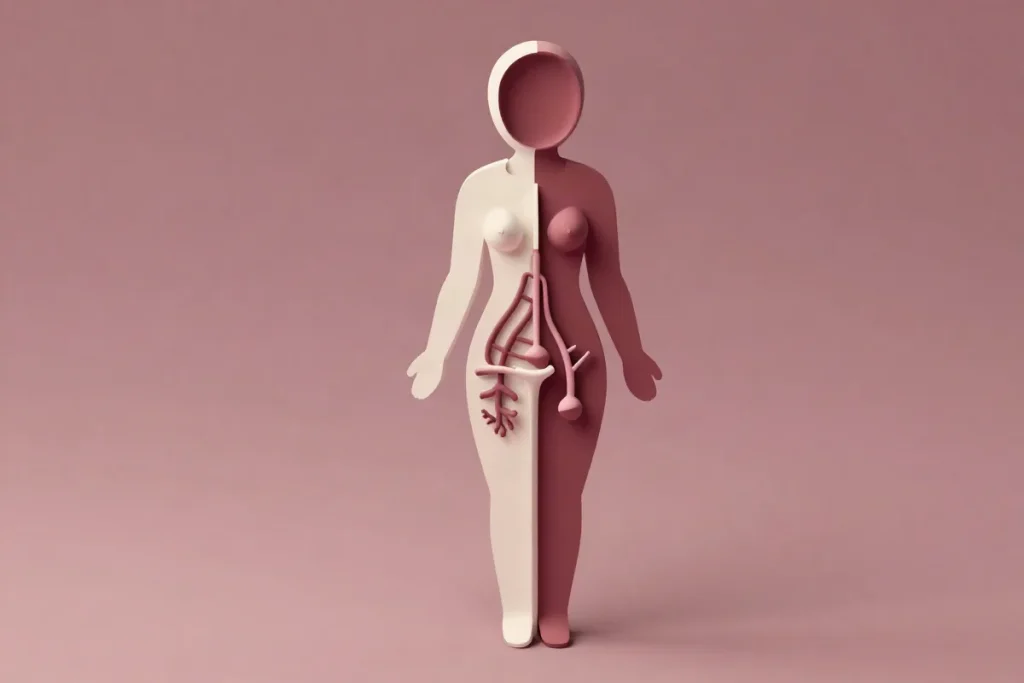
Introduction: Why a Woman’s Body Changes During Pregnancy
Pregnancy is a complex biological process accompanied by numerous physiological changes. Blood volume increases by 30–50% as early as the first trimester, and hormonal fluctuations affect a woman’s mood and physical state. These changes can bring both joyful and uncomfortable sensations, and understanding their nature helps expectant mothers better cope with symptoms.
Hormonal Changes and Their Impact on Emotional State
The main pregnancy hormones—estrogen and progesterone—begin to be produced actively from the early weeks. By the end of the first trimester, their levels may increase several times compared to the usual state, leading to mood swings, fatigue, and heightened sensitivity.
Key Hormones and Effects
- Estrogen — influences fetal development and prepares the uterus, stimulates breast tissue growth, can cause irritability;
- Progesterone — relaxes smooth muscles, reducing vascular and intestinal tone, contributing to fatigue and constipation;
- Human chorionic gonadotropin (hCG) — responsible for maintaining pregnancy and often causes morning sickness in the first trimester.
These hormonal changes increase the brain’s energy consumption, explaining the sensation of «brain fog» and emotional instability.
Cardiovascular System: Adapting to New Demands
During pregnancy, cardiac output increases by 30–50% to supply the fetus with oxygen and nutrients. Heart rate rises by about 15–20 beats per minute starting from the 6th to 8th week.
Changes in the Circulatory System
- Blood volume increases by approximately 40–50% by mid-pregnancy;
- Blood pressure decreases by 10–15 mm Hg below normal during the first and second trimesters;
- Increased venous pressure may lead to swelling and varicose veins.
Maintaining health requires monitoring hemoglobin levels, which can drop due to hemodilution, and taking iron supplements if needed, with prices in Russia ranging from 150 to 600 rubles per package.
Digestive System Changes and Morning Sickness
Progesterone relaxes the muscles of the stomach and intestines, slowing digestion and causing heartburn and constipation. Morning sickness manifests as bouts of nausea and vomiting, most commonly between the 6th and 12th weeks of pregnancy.
Mechanisms of Morning Sickness and Relief Methods
- Elevated hCG levels and altered sensitivity of stomach receptors;
- Recommended frequent small meals, intake of B vitamins, and ginger teas;
- In severe cases, doctors may prescribe medications containing metoclopramide or ondansetron.
The average cost of prenatal vitamins in Russia in 2026 ranges from 500 to 1200 rubles per course.
Changes in Breasts and Skin
The breasts become more sensitive and increase in volume by about 20–25% by mid-pregnancy. Hormonal influences also cause changes in the skin: pigment spots appear, vascular networks develop, and oiliness increases.
Main Changes and Their Causes
- Enlargement of breast tissue due to growth of glandular tissue;
- Formation of pigmentation (chloasma) on the face and abdomen;
- Possible development of stretch marks on the abdomen and thighs;
- Increased skin blood flow leading to vascular changes.
For care, it is recommended to use moisturizing creams with vitamin E and oils to prevent stretch marks, with prices ranging from 300 to 1500 rubles per bottle.
Metabolic and Immune Changes
Pregnancy is accompanied by metabolic changes: caloric needs increase by about 300–500 kcal per day. The immune system adapts to avoid rejecting the fetus, making expectant mothers more susceptible to infections, especially during the cold season.
Metabolism and Immunity Features
- Increased insulin levels and altered cellular sensitivity to it;
- Increased synthesis of proteins and fats for fetal growth;
- Temporary decrease in activity of certain immune cells to prevent rejection reactions;
- Vaccination against influenza and pneumococcal infections is recommended during the second trimester.
| Parameter | Normal in Non-pregnant | Changes During Pregnancy |
|---|---|---|
| Blood volume | 4.5–5.5 L | 6.4–7.5 L (increase of 40–50%) |
| Heart rate | 60–80 bpm | 75–95 bpm (increase of 15–20 bpm) |
| Caloric needs | 1800–2200 kcal/day | 2100–2700 kcal/day (increase of 300–500 kcal) |
- 30–50% — increase in blood volume
- 15–20 bpm — rise in heart rate
- 6–12 weeks — peak morning sickness for most women
- 300–500 kcal — additional daily energy requirement
Frequently Asked Questions
Why does fatigue develop during pregnancy?
How to cope with morning sickness in the first trimester?
How does pregnancy affect the skin?
Is it necessary to take vitamins during pregnancy?
Key Takeaways
- Hormonal changes affect mood and physical condition.
- Blood volume and cardiac output increase to support the fetus.
- Morning sickness is common in the first trimester and requires dietary attention.
- Skin and breasts undergo noticeable hormone-driven changes.
- Increased caloric needs and immune adaptation are essential for a healthy pregnancy.
Conclusion
Understanding the physiological changes during pregnancy helps women better navigate their sensations and take timely measures to improve well-being. Knowledge of hormonal shifts, cardiovascular strain, digestive and skin changes allows expectant mothers to feel more confident and care for their health from the earliest weeks.
Sources
- studfile.net — «11. Physiological Changes in a Woman’s Body During»
- huggies.ru — «Changes in a Woman’s Body During Pregnancy»
- me.health.gov.il — «Emotional Changes During Pregnancy — Parents and Parenting — Ministry of Health»
- msdmanuals.com — «Physical Changes During Pregnancy — MSD Manuals»
- vestnikdv.ru — «[PDF] Physiological Changes of the Skin During Pregnancy»