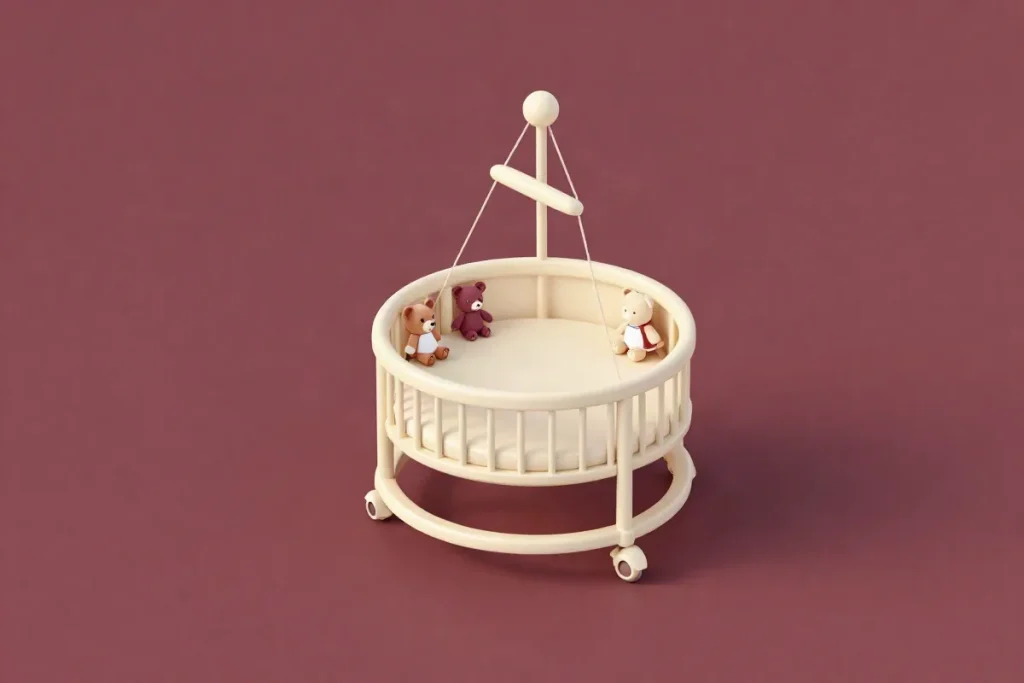
The emotional development of a newborn directly depends on sensitive and consistent support from parents, including showing care, attention, and the ability to recognize their emotional cues. Creating a safe and warm atmosphere helps the baby build a stable sense of trust and confidence in the surrounding world.
Understanding newborn psychology allows parents not only to better respond to their child’s needs but also to foster healthy emotional bonds that will become the foundation for future personality development. At this age, the baby is learning to perceive and express emotions, and parental support plays a crucial role in this process.
If you want to dive deeper into the specifics of newborn care and development, we recommend checking out our comprehensive guide «Newborns: A Complete Guide to Baby Care and Development for New Parents.» For more on infant psychology and methods to support emotional growth, read our detailed analysis «Psychology of the Newborn: How to Support Emotional Development.»
| Method | Example Product/Approach | Cost (approx.) | Advantages |
|---|---|---|---|
| Air Humidification | Boneco U7146 | 9500 ₽ | Maintains optimal humidity and air cleanliness |
| Soothing Furniture | Stokke Sleepi Mini | 40 000 ₽ | Provides gentle rocking and safety |
| Emotional Contact | «Skin-to-Skin» Sessions | Free | Strengthens bonding and reduces stress |
| Toys | Tiny Love Meadow Days | about 3000 ₽ | Stimulate vision and hearing without overload |
| Daily Routine | Regular feeding and sleep | Free | Reduces anxiety and improves sleep |
- 3 hours maximum average daily crying time for newborns in the first 6 weeks
- 20–22 °C recommended air temperature in the nursery
- 40–60% optimal air humidity level for a newborn
- 8–12 hours minimum daily contact time with parents to form attachment
- 9500 ₽ cost of the Boneco U7146 humidifier — an example device for a comfortable microclimate
What Key Psychological Traits of a Newborn Affect Their Emotional Development?
Early Emotional Communication
A newborn expresses basic emotions through crying and facial expressions from the very first days of life, which forms the basis of their emotional development. During the first 30 days, the infant’s brain actively forms neural connections responsible for perceiving and expressing emotions. This stage is critical for establishing emotional contact with parents and the environment.
Crying serves not only as a signal of needs but also as the primary form of communication that stimulates adults’ responsive reactions. For example, using sound-monitoring devices to track newborn crying, such as the BabySense 7 model costing around 12,000 rubles, helps parents better respond to their baby’s emotional cues.
Building Trust
Developing basic trust in the world occurs within the first 6 months of life through constant physical contact and emotional responsiveness from parents. This period coincides with the active development of the oxytocin system, a hormone that promotes emotional bonding.
- The first 180 days are critical for establishing a sense of safety.
- Regular skin-to-skin contact—at least 1 hour daily—helps reduce stress.
- Responding to crying within the first 3 minutes improves the infant’s emotional state.
Supporting emotional stability during this period helps build stress resilience and a positive perception of the world, which serves as the foundation for the child’s future mental health.
What Specific Methods and Products Help Create a Favorable Psychological Environment for a Newborn?
Devices and Furniture for Comfort
To create a favorable psychological environment for a newborn, a comfortable microclimate and sleep conditions are essential. The Boneco U7146 humidifier with ionization costs about 9500 ₽ and maintains optimal humidity in the nursery, reducing dry air which promotes calmness and lowers the risk of respiratory irritation. The Stokke Sleepi Mini cradle-rocker (priced around 40,000 ₽ in 2026) provides gentle rocking motions that help the baby relax and fall asleep faster, creating a feeling of safety and coziness.
Emotional Contact
Regular «skin-to-skin» sessions with mother or father lasting 30–60 minutes daily in the first months of life strengthen emotional bonds and build trust. This contact helps stabilize heart rate and reduce stress levels in the newborn. The importance of this method is supported by neonatology and early childhood psychology, where physical closeness is seen as a key factor for successful emotional development.
How to Recognize Signs of Emotional Discomfort in a Newborn and What to Do?
Symptoms of Discomfort
Signs of emotional discomfort in a newborn include frequent crying without apparent cause—sometimes up to 3 hours daily in the first 6 weeks—and sleep disturbances such as less than 14 hours of sleep per day or frequent awakenings. These symptoms often indicate overfatigue, lack of warmth, or stress.
Special attention should be paid to symptoms like restlessness during sleep and difficulty falling asleep, which may indicate discomfort related to room temperature and humidity.
Correction Recommendations
- Maintain nursery air temperature at 20–22 °C, considered optimal for peaceful newborn sleep.
- Ensure air humidity is not below 40% to avoid mucous membrane dryness and improve the baby’s overall comfort.
- Establish calming bedtime rituals, such as bathing with hypoallergenic, fragrance-free products like Mustela Stelatopia baby shampoo, which costs around 700 rubles for 200 ml in 2026.
Consistently following these recommendations helps reduce infant stress and improve sleep quality, positively impacting emotional development.
What Common Mistakes and Limitations Are Seen in Maintaining Newborn Psychological Health?
Sensory Overload
Sensory overload in the first three months often results from excessively bright light, loud noises, and frequent shifts in attention. For example, brightness above 300 lux in a room or constant background noise over 50 dB can cause newborn fatigue. In Russia, lighting standards for nurseries recommend levels not exceeding 150–200 lux to reduce irritation. Frequent use of bright mobile toys and smartphone screens, such as the Samsung Galaxy A14 model, may overstimulate the nervous system and interfere with normal sleep.
Errors in Emotional Support
A common mistake is overusing pacifiers, such as popular Philips Avent or Nuk models, which can hinder the development of independent emotional regulation. Moreover, neglecting the infant’s need for constant emotional contact—including touch and eye contact—leads to increased anxiety and reduced trust in adults. According to WHO recommendations, newborns need at least 60 minutes of daily «skin-to-skin» contact to form healthy emotional bonds and build stress resilience.
What Psychological Needs Are Important for Harmonious Development in the First 6 Months?
Contact and Attachment
For harmonious development, newborns need to spend 8–12 hours daily in close physical and emotional contact with parents, which promotes strong attachment. This process is especially important in the first 6 months of life when the child learns to trust the world and feel safe.
Regular cuddling, skin contact, and talking to the baby help lower cortisol levels—the stress hormone—as confirmed by child psychologists. Specialized carriers, such as the Ergobaby Omni 360 model priced around 12,000 rubles, provide comfortable and safe babywearing that supports this essential developmental contact.
Routine and Comfort
A predictable daily routine with regular sleep, feeding, and playtimes at consistent hours reduces newborn anxiety and helps them adapt to their environment. The optimal sleep pattern in babies under 6 months typically includes 14–17 hours per day, divided into several periods.
For physical comfort, maintaining room temperature at 20–22 °C and humidity between 40–60% aligns with SanPiN recommendations. Using hypoallergenic care products, such as Mustela cream costing from 800 rubles, prevents irritation and supports healthy skin.
Frequently Asked Questions
How can I tell if my newborn is lacking emotional support?
Is it okay to use toys to soothe a newborn in the first months?
What temperature and humidity should be maintained in the newborn’s room for emotional comfort?
Key Takeaways
- Emotional development begins from the first days and depends on the quality of parental contact
- Regular «skin-to-skin» sessions strengthen trust and reduce newborn stress
- Optimal nursery microclimate is important for psycho-emotional comfort
- Excessive stimulation can lead to fatigue and anxiety in the baby
- Routine and predictability lower stress and improve sleep