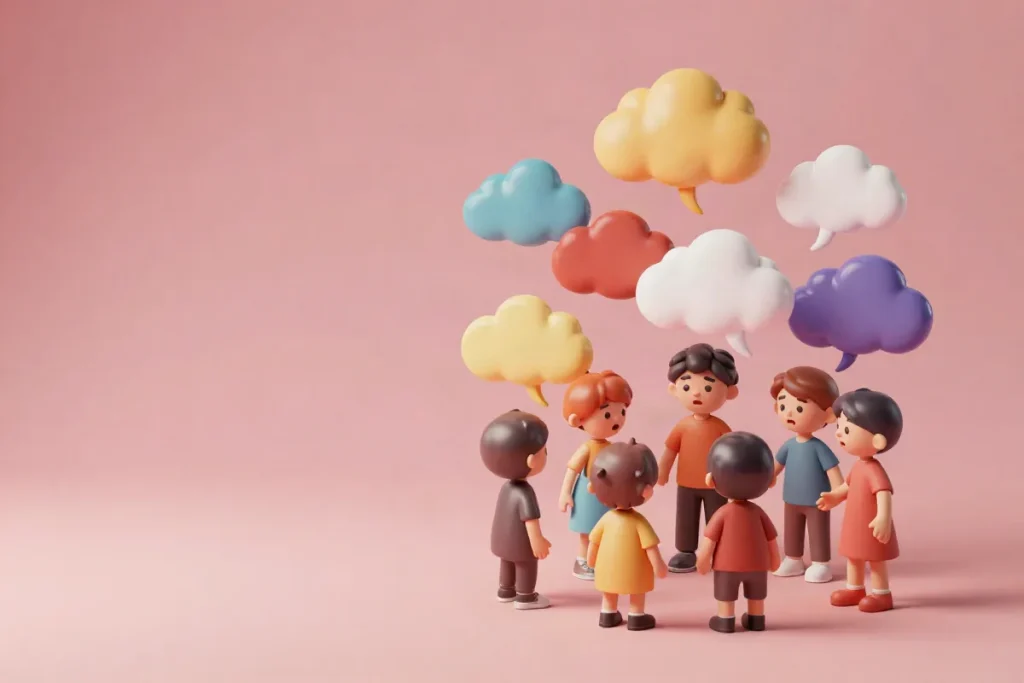
What Is Emotional Literacy and Why Is It Important for a Child?
Emotional literacy is a child’s ability to recognize, understand, and express their feelings appropriately to the situation. It lays the foundation for successful communication, behavior regulation, and building healthy relationships both within the family and beyond. Developing emotional intelligence in children improves their social adaptation and reduces the risk of psychological issues.
Research shows that children with a high level of emotional literacy are 30% less likely to encounter behavioral problems at school and handle stress 40% better (data from the PSYONCLINIC Psychological Clinic, 2026).
How Can Parents Help Their Child Understand and Express Feelings?
Parents are key mentors in developing emotional literacy. It is important to create a home environment of open communication where the child can freely talk about their experiences. Using precise emotional vocabulary helps children better recognize their feelings.
Practical Steps for Parents
- Regularly discuss your child’s emotions, naming specific feelings (sadness, joy, anger, anxiety).
- Use books and games focused on emotions, such as the board game «Emotional Cards» by Smiley, priced from 1200 ₽.
- Demonstrate by example how to express feelings without aggression or suppression.
- Encourage your child for honest and mindful expression of emotions, creating positive reinforcement.
Which Exercises Help Develop a Child’s Emotional Intelligence?
There are specific exercises aimed at increasing awareness and self-regulation skills to develop emotional intelligence. They help the child better identify internal emotional states and manage them.
Popular Exercises
- «Name the Emotion» game — the child describes the emotions of fairy tale or cartoon characters.
- Breathing exercises to calm down during intense emotions.
- Keeping an emotional diary where the child writes or draws their feelings.
- Role-playing games that practice empathy and understanding others’ emotions.
| Exercise | Age | Time per Session | Result After One Month |
|---|---|---|---|
| «Name the Emotion» Game | 3–7 years | 15 min | 25% improvement in emotion recognition |
| Breathing Exercises | 5–12 years | 10 min | 30% reduction in anger outbursts |
| Emotional Diary | 7–12 years | 20 min | 20% increase in self-awareness |
| Role-Playing Games | 6–10 years | 30 min | 15% growth in empathy |
How Does Emotional Intelligence Affect Behavior and Family Relationships?
Developing emotional literacy contributes to improved child behavior, reducing conflicts and misunderstandings within the family. Mindful expression of feelings helps avoid aggression and passivity, fostering trusting relationships among family members.
According to the Teacher’s Newspaper (2026), families that regularly practice emotional communication report a 35% decrease in conflicts and a 40% increase in overall happiness.
Benefits of Emotional Literacy in the Family
- Improved communication between parents and children.
- Development of conflict-resolution skills without violence.
- Increased trust and mutual understanding.
- Reduced stress levels for all family members.
When and How to Start Developing Emotional Intelligence in a Child?
Emotional literacy development begins early — as soon as 2–3 years old, you can help a child recognize and name emotions. In preschool years, organizing joint activities that stimulate emotional responsiveness is important, as shown in Russian kindergarten educational programs.
It is best to start through play and simple conversations, gradually increasing the complexity of tasks as the child grows. In adolescence, programs like «Tuning in to Kids» are recommended to maintain connection during emotional changes (program available from ages 3 to 18).
Stages of Emotional Intelligence Development
- 2–5 years — learning basic emotions (joy, anger, fear).
- 6–10 years — developing skills to express and control emotions.
- 11–18 years — deepening understanding of complex feelings and empathy.
What Resources and Programs Can Help Parents Foster Emotional Literacy?
There are various materials and courses that make it easier for parents to nurture emotional intelligence in their child. Popular options include online platforms with video lessons, instructional manuals, and interactive games.
Recommended Resources for 2026
- Online course «Emotional Intelligence for Parents» from PSYONCLINIC center, priced around 2500 ₽ for the full course.
- Mobile app «Child’s Emotional Assistant» featuring games and tips — free with paid expansions.
- Game sets by Smiley for practicing emotional skills, priced from 1000 to 3000 ₽.
- Printed manuals and books with exercises from the «Pedagogy of the 21st Century» publishing house.
- 30% reduction in behavioral problems among children with developed emotional intelligence
- 35% decrease in family conflicts in households practicing emotional communication
- 2500 ₽ cost of emotional intelligence development course for parents
- 1200 ₽ price of the «Emotional Cards» board game
Frequently Asked Questions
At what age is it best to start developing emotional literacy?
How can I help a child who is afraid to express negative feelings?
Is it possible to develop emotional intelligence with the help of technology?
What common mistakes do parents make when raising emotional literacy?
Key Takeaways
- Emotional literacy develops from early childhood and influences behavior and family relationships.
- Parents should create an open and supportive environment for discussing emotions.
- Exercises and games focusing on emotions help children better understand themselves and others.
- Regular practice and positive reinforcement strengthen emotional intelligence skills.
- Modern courses and apps make nurturing emotional literacy easier.
Thus, developing a child’s emotional intelligence is a systematic process that requires attention, patience, and knowledge from parents. Regular use of practical methods and resources helps children become more self-aware, confident, and socially successful individuals, positively impacting the whole family.
Sources
- PSYONCLINIC Blog — «Developing Emotional Intelligence in Children»
- Teacher’s Newspaper — «The Family’s Role in Developing Children’s Emotional Intelligence»
- abapsy.com — «Tuning in to Kids – Developing Emotional Intelligence in Children and Adolescents»
- Educational Social Network — «Fostering Emotional Responsiveness in Preschool Children Through Joint Activities | Article (Younger Group)»
- dobro.press — «How to Help a Child with Autism Communicate with the World»