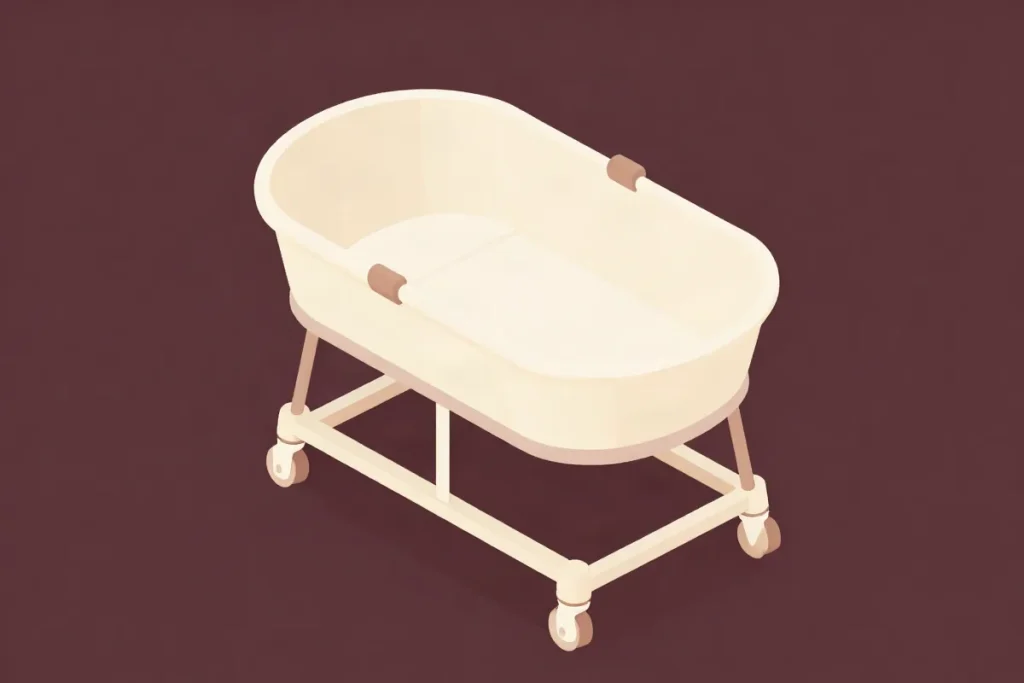
Choosing a safe crib for a newborn is one of the most important steps in preparing for your baby’s arrival. Every parent wants to make sure their child is comfortable and safe while sleeping, so it’s worth paying close attention to the details. But how can you tell which crib is right for your baby? In this article, we’ll explain what to look for when choosing a safe crib so your child can sleep soundly.
There are many models and manufacturers, but not all of them can guarantee safety and comfort. The main things to consider include the materials, construction, and additional features. Once you know what to look for, you can make an informed choice and create a safe environment for your newborn.
Key Safety Criteria
When choosing a crib for a newborn, safety should be your top priority. The first thing to check is the distance between the slats. It should not exceed 7 cm. This helps prevent a baby’s head from getting trapped between the slats, which could lead to serious injury. The crib should also be sturdy and stable, with no sharp corners or protruding parts that could pose a risk to your child.
You should also consider the materials used to make the crib. Wood is a preferred choice because this natural material “breathes” and creates a comfortable sleeping environment. Make sure that any paints, finishes, and adhesives used are safe and free of harmful substances. Choosing a crib made from environmentally friendly materials helps protect your baby’s safety.
Another important step is checking for safety certificates. If you’re buying a crib in a store, ask the salesperson to show you the relevant documents. This will help you confirm that the product has passed all necessary tests and meets current safety standards. Remember that extra accessories, such as padded bumpers or pillows, can be dangerous for a newborn, so it’s best to avoid them.
In conclusion, be sure to consider all of these factors when choosing a crib for your newborn. Safety should come first, and following these recommendations will help you provide your child with a comfortable and safe place to sleep.
Materials and Finishes
When choosing a crib for a newborn, one of the most important considerations is the material it is made from. Choose environmentally friendly, safe materials, such as natural wood. Wooden cribs are not only attractive but also create a healthy sleeping environment for your baby: wood “breathes” and does not cause allergies. It is also strong and durable, making it an ideal choice for nursery furniture.
Even when choosing a wooden crib, it’s important to check the finish. Make sure all coatings are safe and free of toxic substances. Some manufacturers may use varnishes and paints that release harmful fumes, which can negatively affect a child’s health. The best option is a crib finished with safe water-based paints or oils that have no strong odor and contain no volatile organic compounds.
When choosing a crib, you should also check whether it has safety certificates. These will reassure you that the product has undergone the necessary testing and meets all applicable standards. Don’t forget to check the distance between the slats—it should not exceed 7 cm to prevent your baby’s head from getting trapped. The design should also help prevent the child from falling out of the crib, for example, by including a raised rail.
When buying a crib, avoid extra accessories such as pillows, padded bumpers, and toys, which can endanger your baby’s life and health. Remember, your child’s safety comes first, and choosing the right crib will help create a safe, comfortable space for sleep.
Types of Cribs
Types of Cribs
When choosing a crib for a newborn, it’s important to consider the different types available, each with its own advantages and drawbacks. Classic wooden cribs remain the most popular thanks to their reliability and sturdiness. Made from natural materials, they create a healthy sleeping environment for your child. Make sure the distance between the slats does not exceed 7 cm, which prevents the baby’s head from getting trapped. You should also check for safety certificates confirming that the materials are free of toxins and harmful substances.
Models with adjustable mattress heights offer added convenience. You can change the height of the sleeping surface as your child grows, making it easier to put your baby down and lift them out of the crib. This is especially useful during the first months, when babies cannot yet sit or stand on their own. An adjustable height saves effort and makes caring for your child more comfortable for parents.
If you’re looking for a mobile option, consider a rocking crib. These models can help soothe your baby to sleep and are easy to move around the room. This lets you place the crib in different parts of your home depending on your needs and plans for the day. However, bear in mind that these cribs may require extra care during use to prevent them from tipping over accidentally.
Stationary cribs, on the other hand, offer greater stability and safety, which is especially important during the first months of life. Convertible models that can be turned into larger beds as your child grows are an excellent choice for long-term use. They can serve as a crib for a newborn and later be adapted to meet the needs of an older child.
When choosing a crib, consider not only its appearance but also its functionality, safety, and ease of use. The right choice will help create a comfortable and safe environment for your baby.
Additional Features
Additional features can make a newborn’s crib much more functional and convenient to use. When choosing one, consider a few key points.
First, an adjustable base is an important feature for both your baby’s and your own comfort. It lets you change the height of the sleeping surface as your child grows, making it easier to put your baby down and lift them out of the crib. This is especially useful during the first months, when parents often pick up their baby.
You might also consider a crib with wheels. This makes it easy to move around the room, which is especially convenient if you plan to move it to different parts of your home. The wheels should be sturdy and lock securely to keep the crib safely in place.
A fall-prevention feature is also important. Make sure the crib has extra rails or guards to prevent your child from falling out accidentally. The rails should be high enough to stop your child from climbing out, but not so high that you can’t easily reach your baby.
You should also check what accessories the manufacturer offers. These may include built-in drawers for baby supplies or special support pillows that could be useful. However, use caution: extra components should not put your baby’s safety at risk, so it’s best to choose a simple, functional model.
When choosing a crib for a newborn, don’t forget about additional features that can make it more convenient and safer to use.
Proper Crib Placement
Proper Crib Placement
When choosing a place for your newborn’s crib, consider several factors to ensure maximum safety and comfort. First, keep the crib a safe distance from windows. This will protect your baby from drafts and falls, especially when the windows are open. You should also avoid placing the crib near electrical outlets or other potentially dangerous objects. Ideally, place it in a central part of the room where it is easy to reach.
Pay attention to sources of heat, such as radiators and heaters. Placing the crib too close to them can cause overheating and accidents. The optimal room temperature for a sleeping baby is around 20 degrees Celsius. Make sure there is enough space between the crib and any heat sources to prevent overheating.
Ventilation is another important consideration. The room where the crib is placed should be well ventilated. Fresh air helps your baby sleep comfortably and prevents carbon dioxide from building up. Consider installing a window that you can open frequently, or use a fan to improve air circulation. Keep in mind that strong drafts can also be harmful to your baby’s health, so it’s important to find a balance.
Also make sure the room is free of small objects and accessories that could put your baby at risk. All toys and bedding should be safe and appropriate for your child’s age. By following these simple recommendations, you can create a safe and comfortable space for your newborn.
Choosing Bedding
Choosing bedding for a newborn is important because it directly affects your baby’s safety and comfort. First, consider the mattress. It should fit the crib exactly and meet safety standards. A medium-firm mattress is recommended to provide proper support for your child’s developing spine. It should also be made from hypoallergenic materials to help prevent possible allergic reactions.
When choosing pillows and blankets, opt for soft items that are not too bulky. Pillows are generally not recommended for newborns because they can pose a suffocation risk. Instead, use special blankets or sleep sacks that keep your baby warm without creating a hazard. Blankets should be lightweight and breathable to maintain an optimal sleeping environment.
Avoid using extra accessories that could put your baby’s safety at risk. These include soft toys, crib rail covers, and pillows, which can lead to suffocation or other injuries. It’s best to choose simple, functional bedding that prioritizes safety. Also make sure the crib is free of unnecessary items that could distract or disturb your baby while sleeping.
- The mattress should fit the crib and be medium-firm.
- Choose lightweight, breathable blankets and avoid overly bulky ones.
- Keep soft toys and pillows out of the crib.
- Make sure all materials are hypoallergenic and safe for your child.
By following these simple recommendations, you can create a safe and comfortable space for your newborn, supporting their health and development.
Buying and Inspecting a Crib
When buying a crib for a newborn, pay attention to a few key points to ensure your baby’s safety and comfort. First, check the crib for defects. Look at the quality of the materials used to make it. The crib should be sturdy, with no sharp corners or splinters that could injure your child. Also check that the distance between the slats does not exceed 7 cm. This will prevent your baby’s head from getting trapped.
Ask the seller for certificates and documents confirming that the model you’ve chosen is safe. Reputable manufacturers care about the quality of their products and are always ready to provide all the necessary information. Safety certificates confirm that the crib has passed all necessary tests and meets current standards. If the seller cannot provide these documents, it’s better to walk away and consider other options.
When choosing a crib, you should also read reviews from other parents and experts. Look for opinions about the model on specialist forums and social media. This will help you get a full picture of its advantages and disadvantages, and learn about any problems other users have encountered. Pay attention to reviews about the quality of the materials and how durable the product is.
Finally, avoid buying cribs with excessive accessories that could put your child’s life and health at risk. Simplicity and functionality should be the priority. Following these recommendations will help you choose a safe, convenient crib for your newborn and create comfortable conditions for sleep and development.
Caring for the Crib
Caring for the crib is important for ensuring your baby’s safety and comfort. Regularly checking its condition will help you spot signs of wear or damage in time. Look for cracks, chips, or loose parts that could put your child at risk. If you notice any defects, have them fixed right away or replace the crib.
Keeping the crib clean is also essential. Use only cleaning products that are safe for children to avoid exposing your baby to harmful chemicals. This is especially important for newborns, whose skin and immune systems are sensitive. Wipe down the crib surfaces regularly, paying special attention to corners and places where dust and dirt can build up.
Also make sure all mechanisms and fastenings are in good working order. Check that the drop rails move without sticking and that all the joints are secure. This will help prevent accidents and ensure your child sleeps safely. Remember, crib safety starts with proper care and regular inspections.
To make crib care easier, follow these recommendations:
- Visually inspect the crib at least once a week.
- Use gentle but effective cleaning products, avoiding harsh chemicals.
- Regularly check that all mechanisms and fastenings are in working order.
- Remember safety: make sure the distance between the slats does not exceed 7 cm.
Following these simple care guidelines will not only extend the life of the crib but also create a safe environment for your baby.
Frequently Asked Questions
What distance between the slats is considered safe?
What materials are best for a crib?
Should I check for certificates when buying a crib?
Key Takeaways
- Make sure the crib is safe before buying it.
- Choose environmentally friendly materials.
- Regularly check the crib’s condition after buying it.