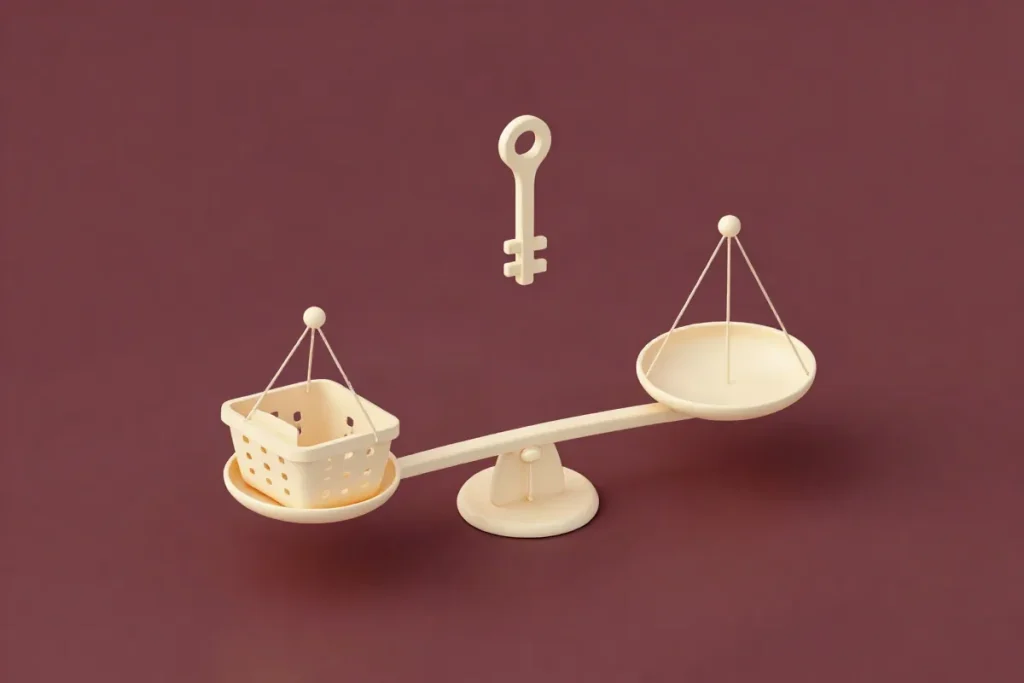
The essence of buying lies in making a decision based on a combination of psychological motives and practical needs, which affect the choice and satisfaction with the purchased product or service. Understanding these aspects helps make purchases conscious and beneficial for the whole family.
Every purchase is not just an exchange of money for an item, but a complex process where emotions, social attitudes, and rational criteria intertwine. Psychological factors, such as the desire to belong to a certain group or to gain emotional satisfaction, often play as important a role as the functional characteristics of the product. Practical aspects, including quality, price, and long-term benefit, help balance these influences and arrive at an optimal decision.
When analyzing the essence of buying, it is important to consider how internal and external factors shape consumer behavior and affect the family budget and well-being. You can learn more about these nuances in our detailed review «Is It Okay to Buy: A Complete Guide to Choosing, Meaning, and the Consequences of Purchases for the Family.»
| Factor | Details | Impact on decision | Example |
|---|---|---|---|
| Price | 10,000–30,000 ₽ | Key for budget | LG washing machine FH0B8ND6 |
| Warranty | at least 12 months | Ensures purchase security | Bosch with official service |
| Brand | Samsung, Apple | Increases trust and loyalty | Samsung Galaxy S23 smartphone |
| Service life | about 5 years | Considered when choosing | Panasonic microwave NN-GT35H |
- 65% of purchases driven by emotions according to Nielsen research (2026)
- 14 days return period without explanation by Russian law (2026)
- 10,000–30,000 ₽ average budget for household appliances in Russia (RBC, 2026)
- 5% of population prone to compulsive buying
How Do Psychological Motives Influence Buying Decisions?
Emotions as a Driver of Choice
Psychological motives, primarily emotions, play a key role in purchase decisions, evoking feelings of joy and satisfaction. According to Nielsen research (2026), 65% of buyers choose products because of the positive emotions they evoke. For example, popular smartphone models like the Samsung Galaxy S23 and Apple iPhone 15 attract not only with technical specs but also with the emotional comfort associated with their use.
The Influence of Social Environment on the Buyer
Social pressure and brand trust significantly affect product choice. About 70% of consumers prefer products from well-known companies like Samsung and Apple due to high trust levels, and 45% of Russians make purchases based on recommendations from friends or family, as shown by a VCIOM survey (2026). Impulse purchases in the electronics segment reach up to 20% of all transactions, highlighting the importance of immediate influence from social opinion and brand recognition.
- 65% of buyers choose products due to positive emotions (Nielsen, 2026)
- 70% prefer Samsung and Apple brands because of trust
- 45% of Russians buy based on friends’ and family’s recommendations (VCIOM, 2026)
- Impulse purchases in electronics account for up to 20% of transactions
What Practical Factors Matter When Making Purchase Decisions?
The Role of Budget and Price
Price is one of the key factors in decision-making when buying household appliances. In Russia, the average budget for such products ranges from 10,000 to 30,000 rubles, according to RBC data for 2026. Within this range, buyers select models that best fit their financial capabilities while considering the balance between cost and functionality.
The Importance of Quality and Support
Product quality and warranty obligations play an important role in choice. Most buyers look for at least a 12-month warranty, which corresponds to GOST R 51317-2026 standards. The expected service life is also important: for small household appliances, a 5-year period is considered standard. A developed service network, such as Bosch’s with over 150 service centers in Russia, significantly boosts trust and influences consumer preferences.
- Average budget for household appliances: 10,000–30,000 ₽ (RBC, 2026)
- Minimum warranty period: 12 months (GOST R 51317-2026)
- Average service life of small household appliances: 5 years
- Number of Bosch service centers in Russia: over 150
How Do Purchases Affect the Family Budget and Psychological State?
Financial Planning
Purchases noticeably impact the family budget, especially for durable goods, on which the average Russian family spends up to 15% of monthly income according to Rosstat 2026. This requires careful expense planning to avoid shortages for essential needs.
To optimize spending, it is helpful to allocate separate purchase categories and set specific limits. For example, when buying household appliances like the Samsung refrigerator RB38T675DS9, priced between 40,000 and 50,000 rubles in 2026, it is important to assess the necessity in advance and align the cost with the budget. This helps control expenses and reduce the risk of unexpected financial difficulties.
Psychological Effects of Shopping
Purchases affect not only finances but also emotional state: 40% of Russians experience stress due to unexpected expenses, while 55% associate acquiring a new item with mood improvement and boosted self-esteem, according to a 2026 study by the Russian Academy of Sciences Institute of Psychology. However, excessive shopping can lead to addiction — about 5% of the population have a tendency toward compulsive buying, which requires attention.
- Stress from shopping: 40% of respondents
- Mood improvement from purchases: 55% surveyed
- Risk of compulsive shopping: 5% of population
A mindful approach to buying helps maintain emotional balance and avoid negative consequences for mental health and family finances.
Common Mistakes Made When Buying and How to Avoid Them
Errors in Purchase Planning
The main mistake when buying is failing to compare prices and competitor offers, leading to overpaying and unfavorable deals. According to RBC research (2026), 60% of buyers do not check alternative options, and some buy products based solely on advertising, ignoring the actual product characteristics.
For example, purchasing a Xiaomi Redmi Note 12 smartphone for 18,000 rubles without market research may cause missing out on better offers of comparable Samsung Galaxy A14 models priced from 16,500 rubles. Another common mistake is misjudging the need, buying bulky or expensive items that don’t match everyday use, leading to unjustified expenses.
How to Use the Law to Your Advantage
Many buyers overlook rights guaranteed by the Russian Consumer Protection Law (2026), including the ability to return goods within 14 days without explanation. This is important to remember when buying electronics, clothing, and other items where quality or conformity complaints may arise.
- Returns allowed within 14 days from purchase;
- Warranty periods vary by product category, usually 12 months for electronics;
- Returns require a preserved receipt and the product in saleable condition.
Ignoring these conditions results in losing the right to return and extra costs when buying unsuitable products.
When Do Rationality and Emotion Conflict in Buying, and What to Do?
Examples of Motivational Conflicts
Conflict between rationality and emotions arises when pragmatic product parameters clash with the buyer’s emotional preferences. For example, when choosing a smartphone, consumers consider technical specs and price — in Russia in 2026, average model prices range from 15,000 to 80,000 ₽, allowing choice across device classes. Meanwhile, emotional components like design or brand status (e.g., Apple iPhone 14 Pro or Samsung Galaxy S23) affect the desire to own that specific product despite higher cost or availability of similar-function alternatives.
Strategies for Balanced Decision-Making
To balance rational and emotional motives, specific techniques are useful. First, making a list of needs and wants helps structure priorities and separate must-have features from nice-to-have additions. Second, taking a timeout of at least 24 hours before purchase reduces impulsiveness and allows evaluating the purchase’s appropriateness. Furthermore, financial planning following the 50/30/20 rule, where 30% of the budget is set aside for emotional purchases, helps control expenses and avoid overspending.
- Average smartphone price in Russia in 2026: 15,000–80,000 ₽
- Timeout before purchase: at least 24 hours
- Budgeting rule: 50% essential expenses, 30% emotional purchases, 20% savings
Frequently Asked Questions
Why do I often make impulse purchases?
How can I tell if a purchase is truly needed for my family?
Can I return a product without explanation and within what time frame?
How to properly balance emotional and rational motives when buying?
Key Takeaways
- Psychological factors influence 65–70% of purchase decisions
- Household appliance budget in Russia ranges from 10,000 ₽ to 30,000 ₽
- 14-day return period without explanation is guaranteed by law
- Compulsive buying affects about 5% of the population
- Timeout method helps reduce impulsivity
