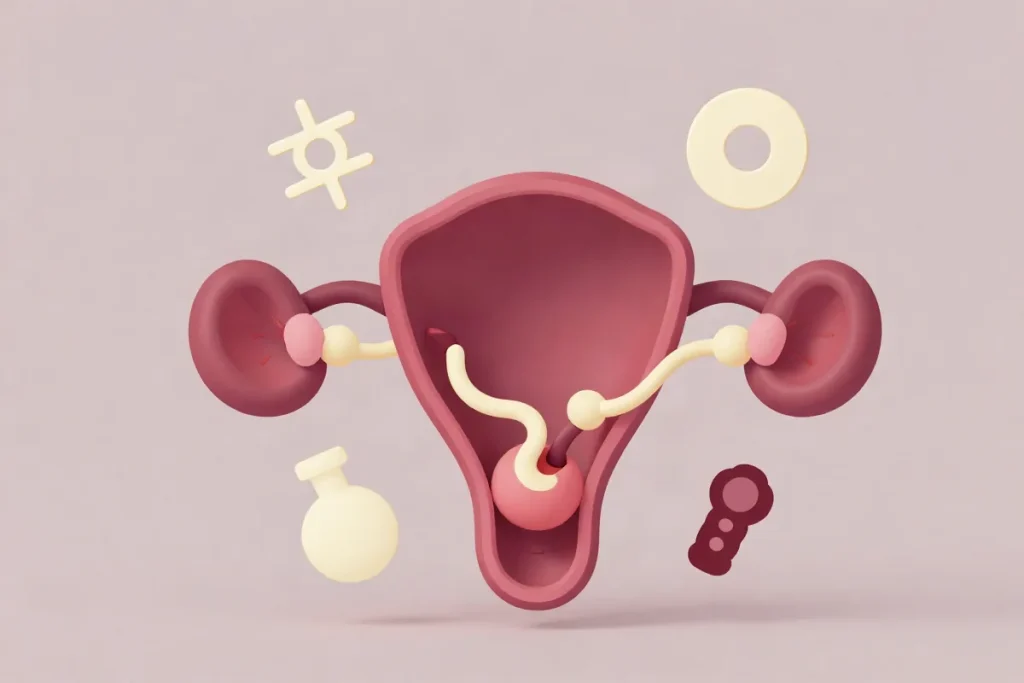
Introduction: The First Weeks of Pregnancy — A Crucial Period of Change
The first weeks of pregnancy mark a time of intense transformation in a woman’s body, as a new life begins to form. Within the first seven days after conception, the fertilized egg, about 1 mm in size, travels and implants into the lining of the uterus. This period is marked by the start of production of the hormone human chorionic gonadotropin (hCG), which plays a key role in maintaining the pregnancy. Alongside these processes, the expectant mother begins to experience the first physiological and emotional changes.
Physiological Changes in the First Weeks of Pregnancy
The implantation of the egg is accompanied by microscopic damage to the blood vessels of the uterine lining, which can cause light spotting known as implantation bleeding. Its intensity and duration are usually minor: spotting lasts from one to three days and occurs in about 20-30% of cases.
During the first weeks, hCG levels also rise, with the hormone actively produced from the moment the embryo attaches to the uterus. By the 14th day after conception, hCG levels can reach 25-100 mIU/ml, which is one reason for a positive pregnancy test. This hormone stimulates the corpus luteum of the ovary to produce progesterone, essential for sustaining the pregnancy.
Main Physiological Signs
- Implantation bleeding (1–3 days, 20–30% of women)
- Increase in hCG levels (from 25 mIU/ml on day 14)
- Lowered blood pressure (a drop of 5–10 mm Hg)
- Bloating and breast tenderness
- Headache and changes in taste preferences
Hormonal Background and Its Effects on the Body
The rise in hCG is accompanied by increases in progesterone and estrogen, leading to significant changes in body functions. Progesterone relaxes smooth muscles, helping to maintain pregnancy, but can cause lowered blood pressure and slower digestion, leading to nausea and constipation.
Estrogen increases blood flow to the pelvic organs and breasts, causing swelling and tenderness. These hormonal shifts are often accompanied by emotional instability, increased irritability, and fatigue.
Hormonal Changes in Numbers
- hCG level by day 14 – 25–100 mIU/ml
- Progesterone rises to 20–30 ng/ml
- Estrogen level increases by 50–100% by week 6
Emotional and Psychological Changes
In the early stages of pregnancy, women often experience mood swings, anxiety, and heightened sensitivity. These reactions are caused not only by hormonal changes but also by psychological adjustment to the new role and anticipation of upcoming changes.
It is important to understand that emotional fluctuations are a normal part of the body’s adaptation. To support psychological health, it is recommended to maintain a regular rest schedule, avoid stress, and seek professional help if necessary.
Recommendations for Emotional Wellbeing
- Regular rest and sufficient sleep (7–9 hours)
- Support from loved ones and social interaction
- Relaxation techniques and breathing exercises
- Taking B vitamins and magnesium after consulting a doctor
Changes in Wellbeing and Pregnancy Symptoms
Many women experience typical symptoms during the first weeks of pregnancy: fatigue, morning nausea, frequent urination, and changes in appetite. Bloating and cramps in the abdomen are linked to hormonal effects on uterine and gastrointestinal muscles.
Blood pressure may drop by 5–10 mm Hg, causing weakness and dizziness. Therefore, it is important to maintain hydration and avoid sudden movements.
Common Symptoms and Their Characteristics
- Fatigue and drowsiness — up to 70% of women
- Nausea and vomiting — 50–60% of women, starting at weeks 4–5
- Frequent urination — due to increased blood volume
- Breast tenderness and enlargement by 1–2 cup sizes
| Symptom | Percentage of Women with Symptom, % | Onset | Duration |
|---|---|---|---|
| Fatigue | 70 | Weeks 1–2 | Up to 12 weeks |
| Nausea | 55 | Weeks 4–5 | Up to 10 weeks |
| Frequent urination | 50 | Weeks 2–3 | Entire first trimester |
| Breast tenderness | 65 | Weeks 1–2 | Up to 12 weeks |
Necessary Medical Examinations and Tests
To confirm pregnancy and assess the expectant mother’s condition in the first weeks, an hCG blood test is prescribed. This test can be done at the Hemotest laboratory, where the cost ranges from about 700 to 1000 rubles and results are ready within 1–2 days.
A complete blood count is also important to evaluate hemoglobin levels and prevent anemia. A consultation with an obstetrician-gynecologist is recommended to establish an individualized pregnancy management plan.
Main Examinations and Their Parameters
- hCG blood test: positive threshold from 25 mIU/ml
- Complete blood count: hemoglobin level not below 110 g/l
- Pelvic ultrasound: performed from weeks 5–6 to confirm pregnancy
Frequently Asked Questions
When can the first pregnancy test be taken?
Why does spotting occur in the first weeks?
What are the most common early pregnancy symptoms?
How can emotional tension be reduced in the first weeks?
Key Takeaways
- In the first weeks of pregnancy, the fertilized egg implants into the uterus, triggering the production of hCG.
- Hormonal changes cause typical symptoms: fatigue, nausea, breast tenderness, and emotional fluctuations.
- Implantation bleeding occurs in about 20-30% of women and usually does not require treatment.
- To confirm pregnancy, an hCG blood test and consultation with an obstetrician-gynecologist are recommended.
- Supporting emotional wellbeing is important for the health of the expectant mother in early pregnancy.
Conclusion
The first weeks of pregnancy are a time of profound changes as a woman’s body begins to adapt for a new life. Understanding physiological processes and symptoms helps the expectant mother adjust better, undergo necessary examinations in time, and maintain her health. Careful attention to her condition and support from loved ones are the keys to a healthy start of pregnancy and successful development of the future child.
Sources
- unona-clinic.ru — «The First Obstetric Week of Pregnancy: Changes in the Body»
- preginor.ru — «The First Week of Pregnancy: Early Signs and What to Do»
- Bangkok Pattaya Hospital — «Early Pregnancy Symptoms: First Signs and Hormonal Changes»
- gemotest.ru — «The First Week After Conception — Hemotest»
- kabrita.ru — «Week 1 of Pregnancy: First Signs, How to Calculate the Term»